
Shoppers comparing sugar content
You’re looking for a savoury cracker to serve with afternoon coffee and want to compare the sugar content of similar products per 100 g, rather than relying on a claim on the front of the pack.


When comparing crackers for a sugar-conscious afternoon coffee, first check ‘of which sugars’ per 100 g, then look at fibre, salt and allergens. A wholegrain cracker may suit you if fibre is a consideration; choose a high-protein option only if protein is an important factor for the person eating it. ‘Low-carb’ does not replace the sugar value, and if someone has difficulty chewing or swallowing, or follows a prescribed diet, the choice should be tailored to their individual needs.
You’re looking for a savoury cracker to serve with afternoon coffee and want to compare the sugar content of similar products per 100 g, rather than relying on a claim on the front of the pack.
You want to take fibre or protein into account alongside sugars. According to the Dutch Nutrition Centre, older people have widely differing needs, so what matters to one person will depend partly on their individual circumstances.
You’re looking for a light, thin or firmer cracker for the coffee table, while also checking the nutrition information and allergens. If someone has difficulty chewing or swallowing, the product name alone isn’t a good basis for choosing.
Start by comparing the sugar content per 100 g of similar crackers. Then decide which other qualities matter most to the people around the table: fibre or protein, or a pleasing shape and texture.
| What to consider | What to check when buying | Who it matters to |
|---|---|---|
| Comparing sugars | Compare ‘of which sugars’ per 100 g for similar crackers; assess carbohydrates separately. | I mainly want to know which cracker lists less sugar, without letting ‘low-carb’ determine my choice. Around 50% of shoppers prioritise comparing sugar content. |
| Fibre, protein and wholegrain | Check fibre and protein per 100 g, and review the ingredients and allergens. | If fibre or protein matters to me as well as sugars, I want to weigh up those nutritional values together. Around 30% of shoppers prioritise this nutritional profile. |
| Shape and ease of serving | Look at the shape and portion size; check the current packaging and whether the texture is suitable. | For my coffee break, the cracker needs to be pleasant to eat and practical to serve. This is the top priority for around 20% of shoppers. |
Carbohydrates and sugars are different values. ALDI lists 1.2 g of carbohydrates per cracker for Goud Gebakken Low Carb Crackers; that figure doesn’t tell you how much sugar the product contains per 100 g.
For this choice, check the ‘of which sugars’ figure per 100 g. Assess carbohydrates separately only if they’re another factor you want to consider.
Salt, fibre and allergens can also affect your choice. Jumbo lists 0.98 g of salt per 100 g for Melba Crackers Volkoren and 0.57 g per 100 g for Jumbo Stevige Crackers Volkoren met Sesam en Lijnzaad; the products also differ in their ingredients.
Compare nutritional values on the same basis and, if you have allergies, read the full, current allergen information.
According to the Dutch Nutrition Centre, older people are a diverse group. A preference for a particular nutritional value doesn’t tell you whether a cracker is suitable for someone with difficulty chewing or swallowing, or who follows a prescribed diet.
In these situations, discuss the choice with an appropriate healthcare professional and tailor it to the individual, rather than relying on a general product claim.
Ingredients and nutritional information can change. This is especially important if a particular sugar value or allergen affects what you serve.
Before serving, check the current packaging, especially the ingredients, allergens and nutritional values.
Bolletje Protein & Low Carb Crackers are worth considering if you’re comparing protein and fibre per 100 g as well as sugars.
Melba Crackers Volkoren are a light wholegrain option if the shape of the cracker matters to you too.
Jumbo Stevige Crackers Volkoren met Sesam en Lijnzaad are worth considering if you’re looking for a firm, seeded cracker.
Goud Gebakken Low Carb Crackers are a product range to consider if you’re focusing on carbohydrates per cracker.
Lidl lists Wasa Volkoren Crackers as a product available to buy in store.
This selection includes wholegrain crispbread and other crackers for anyone looking for a savoury option to enjoy with coffee. Check the current nutritional information per 100 g for each product, and make sure the ingredients and texture are suitable for the people around the table.
 Image unavailable
An option to consider if you want to take fibre into account as well as sugars when choosing a cracker. Compare the values per 100 g on the current packaging and check the allergens.
 Image unavailable
A sourdough rye cracker to consider if you’d like to serve crispbread with coffee. Check the sugars, salt and allergens on the current packaging; the product name doesn’t indicate whether it’s suitable for someone with difficulty chewing or swallowing.
 Image unavailable
Wholegrain crispbread for anyone looking for a savoury cracker to enjoy with coffee. Compare the current values for sugars, fibre and salt with those of other wholegrain crackers, and read the allergen information.
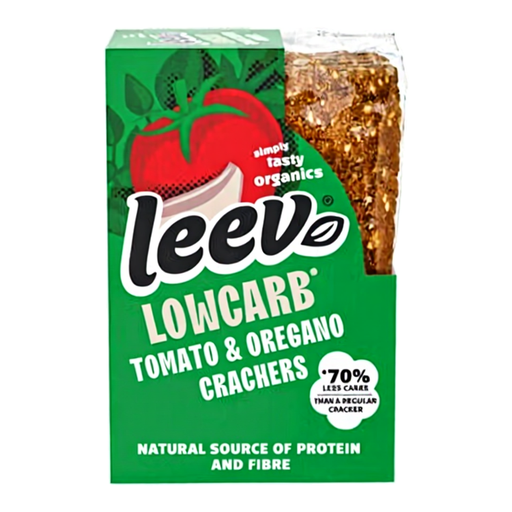 Image unavailable
A cracker with tomato and oregano flavour for anyone after a savoury taste. Assess the sugars separately from the low-carb claim, and check the salt and allergens on the current packaging too.
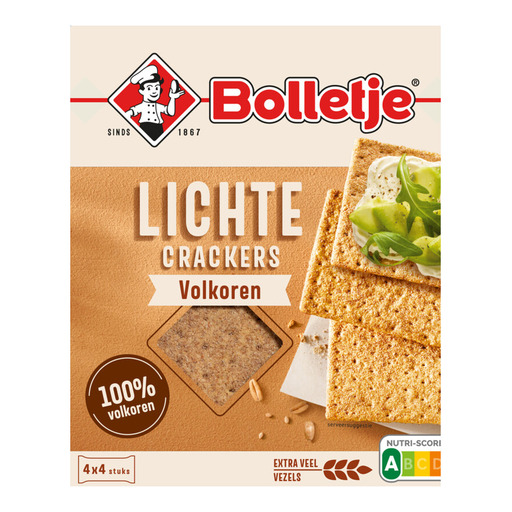 Image unavailable
A wholegrain cracker to consider if you’re looking for a light option for the coffee table. Compare the current sugar value per 100 g with other crackers and decide whether the texture is suitable.
Compare similar crackers using the ‘of which sugars’ value per 100 g. The Dutch Nutrition Centre recommends comparing labels per 100 g. Then check salt, fibre, ingredients and allergens too, and consider what you’ll put on the cracker.
No. The ‘low-carb’ claim doesn’t tell you how much sugar a cracker contains. Check ‘of which sugars’ per 100 g separately, and use the carbohydrate value only if carbohydrates also matter to your choice.
Not just because of their age. According to the Dutch Nutrition Centre, older people have widely differing needs. If someone is ill, has a reduced appetite, has difficulty chewing or swallowing, or follows a prescribed diet, personalised advice is more appropriate than a general recommendation about crackers.
Follow the storage advice on the packaging of the product you choose. Jumbo advises storing Melba Crackers Volkoren in a cool, dry place; for Bolletje Protein & Low Carb, Albert Heijn advises storing the product in a dark, dry place in a sealed container after opening.