
Vandaag of morgen in huis

Kwaliteit gegarandeerd

Welkomstaanbiedingen ontgrendelen: GRATIS bezorging | Tot 80% korting | Gratis 30 dagen JoyPlus-proefperiode
Download de app
A pack of crackers may seem easy to choose, but there are big differences between wholegrain crackers, crispbread, rice cakes and tortilla chips. Some packs highlight fibre, protein or fewer carbohydrates, while others focus mainly on flavour, size or handy portion packs.
The main pitfalls:
Use the table on the pack as your consistent reference point. Pay particular attention to:
A claim such as “80% fewer carbohydrates” should be read as a comparison between the brand’s product and a particular reference product. According to TastyBasics’ own product information, this means 80% fewer carbohydrates than regular crackers. Then check the table: the poppy seed version lists 12 grams of carbohydrates, 36 grams of protein and 12 grams of fibre per 100 grams.
“Wholegrain” doesn’t automatically mean that every ingredient is wholegrain. Check where wholemeal flour appears in the ingredients list and whether it makes up a significant part of the product. Multigrain crackers may contain several grains, but that doesn’t always tell you how much of them is wholegrain.
Rye, wheat and barley are commonly used in crispbread and crunchy bread. Wasa Rustic Crispbread, for example, lists wholemeal rye flour and rye bran. These give it a firm texture and a pronounced grain flavour. Spelt is also a type of wheat, so it isn’t gluten-free.
If you’re looking for a gluten-free option, don’t rely on the front of the pack alone. Check the full ingredients list and allergen information. Leev BIO Chickpea Waffles’ product information lists chickpeas and rice as the main ingredients and describes the product as gluten-free, but also lists soya as an allergen. So always check the current packaging, especially if you have an allergy or coeliac disease.
For breakfast and lunch, firm crackers are handy with toppings such as hummus, cheese, vegetables or peanut butter. Thin crackers feel lighter, but may break more easily under moist toppings.
Also look out for the difference between:
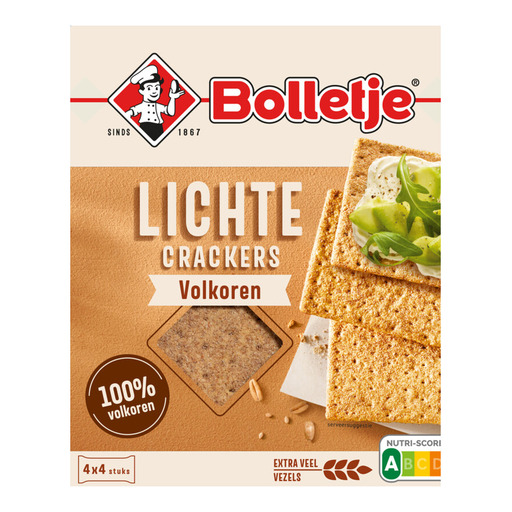
Why it suits this profile: These thin-baked crackers are a handy choice for a simple breakfast or snack, combining a familiar wheat base with 100% wholegrain cereal, according to the product information.
The nutritional information makes it easy to compare: 15 grams of fibre, 12 grams of protein and 0.98 grams of salt per 100 grams. Do check your portion size and toppings, though.
100% wholegrain according to the product description; thin texture; suitable for sweet and savoury toppings.

Why it suits this profile: The firm rye base is ideal if you’re looking for crunchy bread with a distinct grain flavour to enjoy at breakfast or lunch, or with savoury toppings.
The ingredients list is short: wholemeal rye flour, rye bran, salt and yeast. The product does contain gluten and may contain milk and sesame.
1.5 grams of fat and 327 kcal per 100 grams according to the product information; firm texture; a great base for toppings.
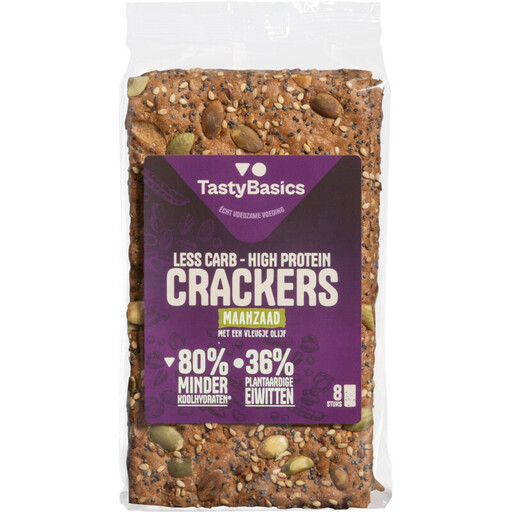
Why it suits this profile: This option is for anyone deliberately looking for plenty of protein and fibre, with fewer carbohydrates per 100 grams.
The product table lists 12 grams of carbohydrates, 36 grams of protein and 12 grams of fibre per 100 grams. However, the ingredients include wheat, soya, barley and sesame.
36 grams of protein per 100 grams according to the product information; 8 crackers per pack; no added sugars according to the product description.
We’ve put together a complete, up-to-date list of products that meet these strict selection criteria and current European safety regulations.
Choose wholegrain crackers, rye crackers or firm crispbread if you want to eat them with moist or heavy toppings. Thin options work well with lighter toppings. Check the fibre, salt and ingredients per 100 grams rather than relying on the front of the pack alone.
Rice cakes are lighter and often crunchy, but products in this category are usually relatively high in carbohydrates. Snack A Jacks Smooth Caramel Rice Waffles, for example, list 77 grams of carbohydrates and 21 grams of sugars per 100 grams. They’re better suited to a light snack, rather than being an automatic wholegrain alternative.
Once opened, keep crackers and crispbread tightly sealed in a cool, dry place, away from moisture and direct sunlight. If they go soft, check that the pack was properly sealed and that the best-before date hasn’t passed. Always follow the storage advice on the current packaging.
