
Vandaag of morgen in huis

Kwaliteit gegarandeerd

Welkomstaanbiedingen ontgrendelen: GRATIS bezorging | Tot 80% korting | Gratis 30 dagen JoyPlus-proefperiode
Download de app
If you’re looking to buy crackers online, you’ll soon find plenty of varieties that look similar. But they can differ greatly in flavour, size, salt content, allergens and packaging. A large bag isn’t necessarily good value if the crackers go soft soon after opening. And terms such as “light”, “premium” or “healthy snack” don’t tell you much unless you check the ingredients and nutritional information.
As Joybuy’s Product Recommendation Officer, I narrow down the options using verifiable information. That way, you can choose the right salted crackers, soda crackers, rice crackers and other savoury snacks for home, the office, teatime, drinks with friends or serving with dips and cheese.
A 300 or 360 g pack is handy for a family or office, but less practical if you only snack occasionally. Individual portions, such as those in Aji Sandwiched Soda Crackers, make it easier to plan for several snack breaks. Always check the net weight, the number of individual packs and how long the crackers will keep after opening.
Some product descriptions mention a light, crisp texture or a method of preparation that doesn’t involve frying. These terms mainly describe the texture and how the crackers are made. You should also check the nutritional information per 100 g. Salt, fat, saturated fat, sugar and energy can vary considerably between varieties, so don’t compare products based only on the front of the pack.
Wheat and gluten are common in regular crackers and soda crackers. Other varieties may contain milk, soya, sesame, barley, egg or sulphites. If you have an allergy or intolerance, check the current packaging. Product information can change, so the label is the most reliable source.
For a sharing board, crisp crackers with a neutral flavour are useful because they won’t overpower cheese, pâté or dips. Soda crackers are generally described as light and airy. Thin crackers, such as Wasa Thin Crisp, take up less space and go well with light toppings. Rice crackers often have a delicate, dry texture and a different mouthfeel from wheat-based crackers.
Choose a plain salted variety if you want the topping to take centre stage. For snacking on their own, crackers flavoured with sea salt, pepper, lemon, seaweed or spring onion are a better fit. Bear in mind that flavoured varieties may contain extra ingredients. Examples include sesame crackers, vegetable-flavoured crackers and milk-and-salt-flavoured soda crackers.
Always compare like for like: per 100 g. In the selection provided, for example, the stated salt content ranges from 1.2 g in Mitsuba Sea Salt Crackers to 5 g in Bolletje Salt Peppers. That doesn’t automatically make a product suitable or unsuitable, but it does give you a useful point of comparison. Check the portion size too: a small bag may be handy, but of course several portions eaten one after another will add up.
Crackers stay crisp for longer if you seal them well after opening and store them somewhere dry. Many product descriptions recommend keeping them in a cool, dry place, away from sunlight and moisture. Check that the packaging is undamaged when your order arrives. Individually wrapped crackers are easier to take to the office or a party.
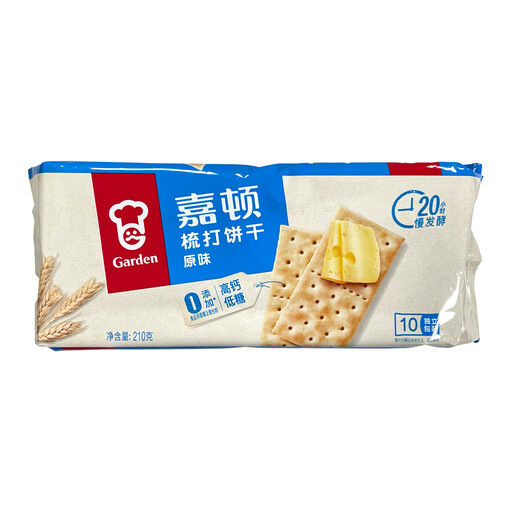
Why it suits this shopper: The plain original flavour works well with soup, cheese and dips, or as a snack on its own. At 210 g, the pack is a manageable size for regular use.
The product information describes a simple flavour, without lemon, pepper or vegetable seasoning. That makes it a predictable choice.
210 g; 440 kcal and 1.7 g salt per 100 g according to the product information; suitable for dips, cheese and soup.

Why it suits this shopper: The extra-thin texture and rosemary and sea salt flavour work well with toppings and on a sharing board with a variety of accompaniments.
The product information lists specific ingredients, including 48% wholemeal wheat flour and 1.7% rosemary. So you know what flavour and base you’re buying.
Around 22 crackers; 10% fibre according to the product description; a distinctive herby flavour.
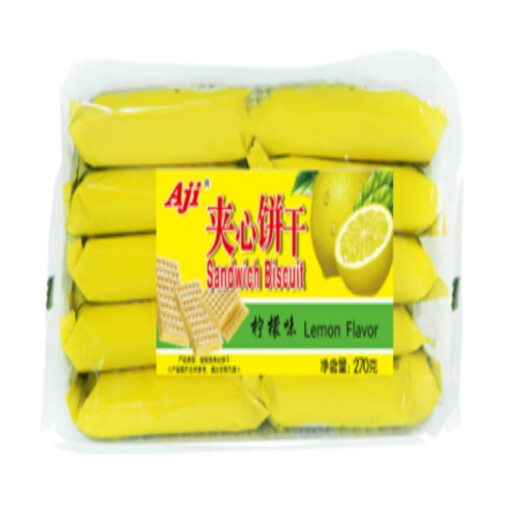
Why it suits this shopper: The pack contains 10 individual bags, making it practical for the office, sharing or enjoying over several snack breaks.
The 10 individual packs mean you don’t have to keep reopening one large bag. The lemon flavour is clearly stated.
270 g in total; 10 bags; 1.3 g salt per 100 g according to the product information.
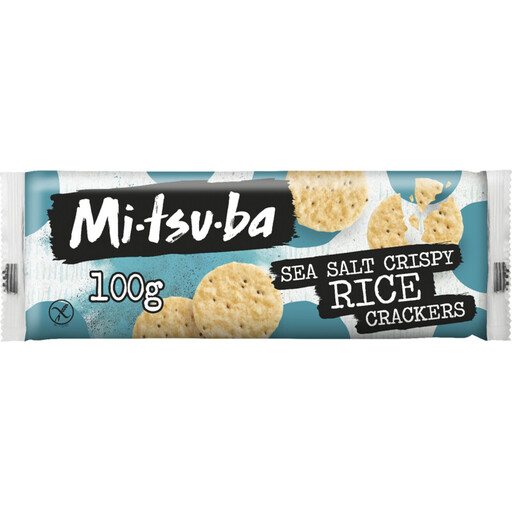
Why it suits this shopper: These thin rice crackers offer an alternative to wheat crackers and are a good choice for fans of Asian snacks.
The base ingredients are clearly listed: 53% brown rice and 36% rice. The product information states that none of the 14 main EU allergens are present.
100 g; 1.2 g salt per 100 g; rice-based with chia seeds and sea salt.
We’ve put together a complete, up-to-date list of products that meet these strict selection criteria and current European safety requirements.
Plain soda crackers, saltine crackers and sea salt crackers are usually practical choices with cheese and dips. Their flavour is less pronounced than varieties with lemon, seaweed or spring onion. Think about the texture too: a firmer cracker is less likely to break apart when dipped into something thick.
Store opened crackers in a cool, dry place and seal the packaging well. An airtight tin or resealable bag can help keep out moisture. Individual bags are handy if you don’t plan to eat all the crackers at once.
You can’t tell from the name alone. Check the ingredients and allergen information on the packaging. The product information for Mitsuba Sea Salt Crackers lists a rice base and states that none of the 14 main EU allergens are present, but always check the current label when you buy them.
