
The stock planner
You want to put out enough crackers without opening more than your guests will eat. If so, check both the number of individual packs and what you can use later.


When choosing crackers for coffee with friends, consider not just the total amount but also what you’ll open during the visit. Small individual packs are handy if you want to keep some crackers sealed for later, while a larger pack makes sense if you’re serving a crowd or will use the rest at home. Then decide whether you’d prefer small pieces of toast for toppings or larger crackers, and check the ingredients, allergens and nutritional information of your chosen variety before serving it to your guests.
You want to put out enough crackers without opening more than your guests will eat. If so, check both the number of individual packs and what you can use later.
You want to serve little bites with coffee. Melba crackers and small pieces of toast are different products from larger breakfast crackers, so choose a size that suits your toppings and presentation.
You want to take account of ingredients, nutritional values and allergens that may matter to your guests. Compare similar products per 100 g, and read the label on the exact pack you’ll be serving.
Start with how much you want to put on the table and what will be left after your guests have gone. Then choose the right shape for your topped bites, and check the labels if nutritional values or allergens are important to your guests.
| What to consider | What to check when buying | Who it matters to |
|---|---|---|
| Quantity and leftovers | Check the net weight, the number of individual packs and the storage advice once opened. | I want to put out enough without opening the whole pack for a small gathering. For around 40% of consumers, getting the right portion sizes while keeping some stock sealed is the most important consideration. |
| Size for toppings | Compare the shape and size of the crackers or pieces of toast with the toppings you want to serve. | For a platter of topped bites, I’m mainly looking for small pieces that guests can easily pick up; around 30% of consumers prioritise this size. |
| Label information | Compare similar products per 100 g and read the ingredients and allergen information for the exact variety. | If guests need to avoid specific ingredients or compare nutritional values, I need to know what’s in the product I’ve chosen. For roughly 30% of consumers, checking the label comes first. |
A higher total weight doesn’t tell you how much you’ll need to open at once. Small individual packs may be a better fit if you’re only serving some of the crackers during your coffee visit.
As well as the weight, compare how the contents are divided up, such as two 125 g packs or individually wrapped portions. Once opened, follow the storage advice on the pack.
Plain describes the flavour, not the allergens. The cracker and toast varieties mentioned contain different ingredients and have different warnings about the possible presence of allergens.
Ask which ingredients matter to your guest and read the allergen information on the current pack of the exact variety.
A claim on the front doesn’t give you the full picture of a cracker’s nutritional information or ingredients.
The Netherlands Nutrition Centre recommends comparing nutritional values per 100 g. Compare similar crackers side by side, and check the ingredients list and allergen information too.
A product range page can help you choose a type of product, but it doesn’t guarantee which pack you’ll find on your next visit. Lidl says the crackers mentioned are sold in store.
Before you shop, check which variety is available and read the pack for information that matters to your guests.
These examples show how pack formats can vary; the features described apply to the products mentioned, not every cracker from a particular brand.
Bolletje Ontbijtcrackers Volkoren Meergranen is a larger breakfast cracker for anyone looking to serve something different from small pieces of toast.
Melba Crackers Naturel, in a 125 g pack, are thin crackers to serve alongside other topped bites.
AH Melba Toast Naturel offers small pieces of toast in a multipack for serving with toppings alongside coffee.
Jumbo offers, among other products, light plain crackers in two 125 g packs and larger packs of crispbread.
Lidl lists light crackers in a 250 g pack and wholegrain luxury crackers in a 210 g pack among its in-store products.
The range shown by ALDI Nederland includes different types of crackers and toast, including Goud Gebakken robuuste crackers in a 200 g pack.
These Joybuy products include crackers in a range of pack sizes and flavours. Choose an amount to suit your guests, and check that the flavour and label are right for them before serving.
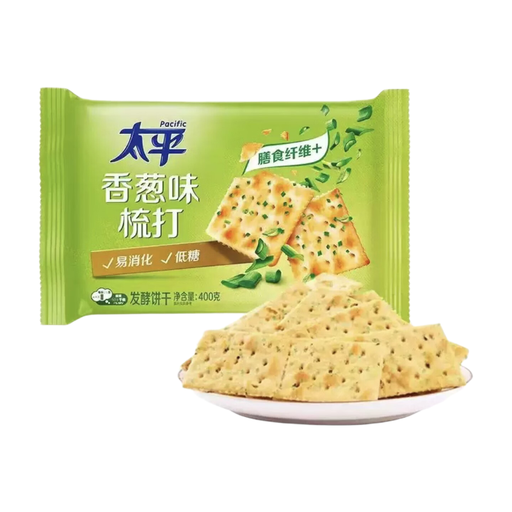 No image available
A family pack to consider if you’d like to serve onion-flavoured crackers. Check that the flavour goes well with your toppings, and read the pack if anyone has an allergy.
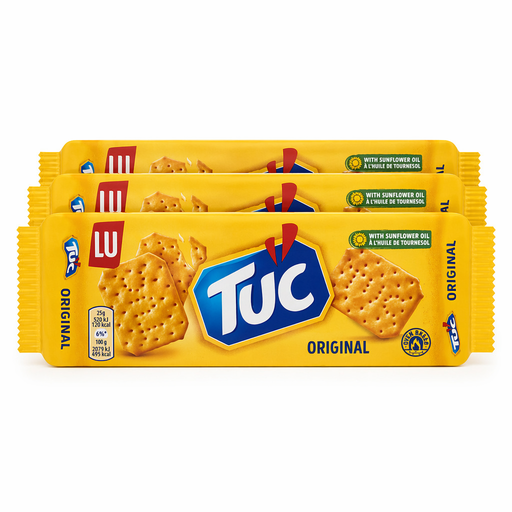 No image available
Three 100 g packs are a good choice if you want to spread the contents over more than one occasion. Decide how many you’ll need for your visit, and check the current allergen information.
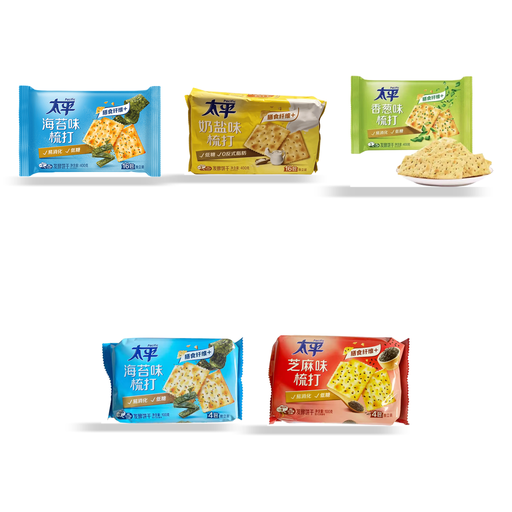 No image available
A pack of crackers to consider if you’re shopping for several guests or occasions. Check the contents, any individual packs, ingredients and storage instructions for each item before deciding how much to open.
 No image available
This 300 g pack is worth considering if you want to compare the nutritional information of different crackers. Check the values per 100 g, and if you’re hosting a small coffee get-together, see how the contents are packed and how they should be stored.
 No image available
The four packs make it easy to serve the seaweed-flavoured crackers a little at a time. The total contents weigh 100 g, so decide whether that’s enough for your guests and check that the flavour and ingredients are suitable.
A family pack is most useful when the amount suits what you’ll serve during the visit and what you’ll use later. So don’t just look at the weight: according to Albert Heijn’s product information, AH Melba Toast Naturel, for example, contains twelve smaller packs, while other crackers come in larger portions.
Follow the storage advice on the pack you’ve chosen, and seal any opened crackers well. For its light plain crackers, Jumbo recommends eating the remaining contents within a few days of opening.
Not necessarily: ‘plain’ tells you nothing about the allergens in a particular cracker. Ask which ingredients matter to your guest, then check the current ingredients list, allergen information and any warnings on the exact pack.
No, compare the nutritional information of similar products too. The Netherlands Nutrition Centre recommends comparing values per 100 g; also read the ingredients and allergen information if they matter to your choice.
A supermarket website can help you compare pack formats in advance, but check the current pack before serving. The ingredients and allergens must be suitable for the exact variety you’re offering your guests.