
Vandaag of morgen in huis

Kwaliteit gegarandeerd

Welkomstaanbiedingen ontgrendelen: GRATIS bezorging | Tot 80% korting | Gratis 30 dagen JoyPlus-proefperiode
Download de app
Buying crackers seems simple, until you are faced with a shelf or online range containing dozens of varieties. A pack may be described as high in fibre, light, crisp or gluten-free, while the differences in ingredients, salt, sugar, allergens and serving size can be considerable. How you plan to use them matters too: a thin cracker for breakfast has different qualities from a sturdy crispbread for toppings or grissini for nibbles.
As a Joybuy Product Recommendation Officer, I therefore start by looking at verifiable product information. This helps you avoid relying solely on the front of the packaging.
An airy cracker may feel less substantial, but nutritional values are usually stated per 100 grams. A product with a low weight per piece may still contain relatively high levels of carbohydrates, sugar or fat per 100 grams. So compare the nutrition table, and also check how many crackers are included in the pack.
Check the ingredients list rather than just the front of the pack. For example, Bolletje Whole Grain Crispbread states 100% wholegrain cereals, with 14 grams of fibre per 100 grams. According to the product information, Bolletje Wholegrain Rusk contains 11 grams of fibre per 100 grams. These are verifiable figures; the term “high in fibre” on its own says less about the overall composition.
A product may be presented as gluten-free, but the allergen information remains the deciding factor. Verkade Oaties Original is described as gluten-free in the product description, while the allergen information also mentions “gluten (oats)”. If you need to avoid gluten strictly, it is always wise to check the current packaging and allergen information. When in doubt, a marketing claim is not enough.
Start by checking the first three to five ingredients. This often shows whether you are mainly buying wheat, rye, wholemeal flour, sugar, oil or seeds. Also look out for mandatory allergens, such as:
A gluten-free option is therefore not automatically suitable for every allergy or intolerance.
For a fair comparison, use the same unit of measurement. Here are some examples from the range:
These figures do not tell you which product is suitable for everyone. However, they can help you choose according to your own preferences, such as a less sweet option or a cracker with more fibre.
For everyday breakfast or lunch, a larger pack is often practical. Bolletje Whole Grain Crispbread comes in a 265-gram pack, while g’woon Wholemeal Crispbread comes in a 375-gram pack. Smaller packs are more convenient when you are out and about, such as Oishi Bread Pan Buttered Toasted at 42 grams or Sultana Crunchers Cheese Onion in individual portions.
Also consider how easily they can break. Thin crackers and toast can be damaged during delivery. Resealable packaging or individual portions can help preserve their crisp texture for longer. Store opened products in a cool, dry place and keep them tightly sealed, as indicated on the packaging.
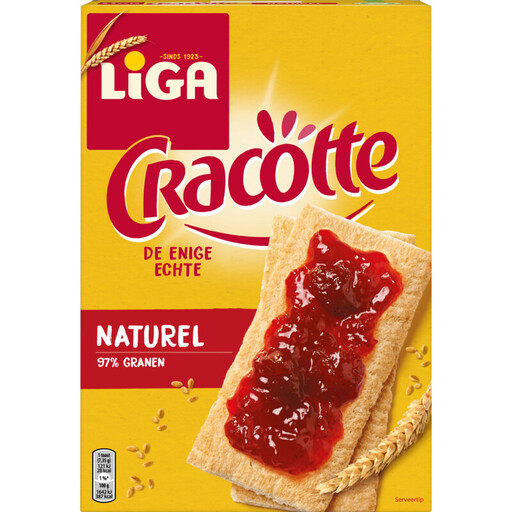
Why it suits this profile: These wheat crackers provide a simple base for sweet or savoury toppings, and according to the product information, the pack contains approximately 34 crackers.
The product page provides clear nutritional values and allergen information. This means you can see in advance that the product contains wheat, rye and milk.
250 grams, approximately 34 pieces according to the description, and suitable for a range of toppings.
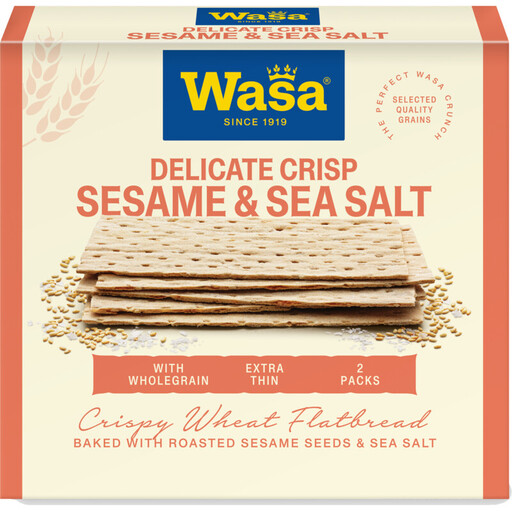
Why it suits this profile: The thin texture, wholegrain wheat and 11.5% sesame are ideal if you are looking for a distinctly crisp cracker to pair with simple toppings.
The ingredients list states the percentages of wholegrain wheat and sesame, while gluten and sesame are clearly identified as allergens.
190 grams, 43% wholegrain wheat according to the product information, and 9.5% fibre as stated in the description.

Why it suits this profile: The sturdy wholegrain base is suitable for everyday breakfast, lunch and crackers with toppings.
The product information specifies the types of grain and allergens. This allows you to check whether the cracker fits your diet.
265 grams, 14 grams of fibre per 100 grams and packed in sets of four.
We have compiled a complete, up-to-date list of products that fully meet these strict selection criteria and the applicable European safety regulations.
If you want to buy crispbread, you can choose from rye, wheat or multigrain varieties. For nibbles, grissini or cheese-flavoured dipsticks are a better fit. According to the product information, Deli Di Paolo Grissini Wave Parmigiano contains 7.5% Parmigiano Reggiano, as well as 2.4 grams of salt per 100 grams. It is therefore sensible to keep portions small.
For a sweeter snack, rusks, toast and crispbreads are all options. Bolletje Real Rusk contains 4 grams of fibre per 100 grams and 0.4 grams of salt. Parle Rusk Premium with Cardamom comes in a larger 600-gram pack, with a lightly sweetened flavour to enjoy with tea or coffee. Check both varieties for the presence of wheat, gluten and milk.
Choose a size that can hold enough topping, and check the fibre and salt values per 100 grams. Wholegrain crispbread, such as Bolletje Whole Grain Crispbread or g’woon Wholemeal Crispbread, is practical for everyday use. The final choice depends on your taste, ingredients and preferred toppings.
Store crackers, rusks and toast in a cool, dry place, away from moisture and direct sunlight. Seal the packaging securely after use. If the packaging is damaged or the crackers have become soft, check their quality before eating them.
Not automatically. Always read the current ingredients list and allergen information on the packaging. A product description on a website may differ from the information on the packaging. If you have an allergy or follow a strict diet, the packaging is the authoritative source.
