
Vandaag of morgen in huis

Kwaliteit gegarandeerd

Welkomstaanbiedingen ontgrendelen: GRATIS bezorging | Tot 80% korting | Gratis 30 dagen JoyPlus-proefperiode
Download de app
When you search online for crackers and rusks, you’ll quickly come across dozens of varieties: crispbread, wholemeal crackers, rusks, grissini, soup sticks and toast. The differences aren’t just about flavour. The ingredients list, nutritional value, packaging and when you’ll use them all play a part in whether a product suits your household.
Marketing terms can be confusing. A product with “wholemeal” on the front doesn’t automatically contain only wholemeal flour. And a small pack might look convenient, but can work out relatively expensive per portion. With the points below, you can compare products sensibly and avoid a bad buy.
Words like “natural”, “light” or “high in fibre” only mean something once you check the ingredients and nutritional information table. With wholemeal crackers, for example, look to see whether wholemeal flour appears high up on the ingredients list. Also check the fibre content per 100g, so you can compare different packs fairly.
A product may also contain added sugar, oil or salt for flavour and texture. That doesn’t automatically make it unsuitable, but it is relevant information for your choice.
One manufacturer lists values per 100g, another highlights a small portion. So it’s best to use the per 100g column. This lets you see the energy content, fat, sugars, fibre and salt side by side.
For example: Bolletje Dark Whole Wheat Rusk lists 10g of dietary fibre per 100g, while Bolletje Real Rusk lists 4g. That difference can matter if you’re deliberately looking for wholemeal rusks or high-fibre crackers.
Crackers and bread snacks often contain gluten, wheat, rye, barley, milk, egg, soya or sesame. Always read the current packaging, especially if you have a food allergy or intolerance. Online information can change, and the packaging holds the most up-to-date details.
Also pay attention to the packaging after opening. Crispy products quickly lose their texture through moisture. Store them in a cool, dry place, seal the pack well and don’t use damaged packaging.
For wholemeal rusks, wholemeal crackers and crispbread, look at:
For example, g’woon Wholemeal Crispbread lists 14g of dietary fibre per 100g and contains wholemeal rye flour and wheat flour. Bolletje Whole Grain Crispbread also lists 14g of fibre per 100g and uses wholemeal wheat and rye flour. These details can be checked against the product information, but always check the packaging when you buy.
A neutral cracker works well with cheese, hummus, vegetables or sweet toppings. Rosemary, sesame, garlic and cheese add more flavour without you always needing extra toppings. For crackers for breakfast, large packs are practical. For snacks with soup, breadsticks or grissini are often handier.
Think about texture too. Thin crackers break more easily under heavy toppings. Rusks are light and crumbly, while crispbread is usually firmer. Toast and crispy bread snacks can be eaten straight away or briefly warmed, depending on the product instructions.
Compare the net weight, the number of pieces and how they are packed. Individually wrapped toast is handy for a lunchbox or on the go, but can mean more packaging material. A 375g bag is practical for a family, while a 42g pack might be suitable for a one-off snack.
With several variants of the same brand, pay attention to the difference between the product name and the contents. “85g × 4” is not the same as one 85g pack.
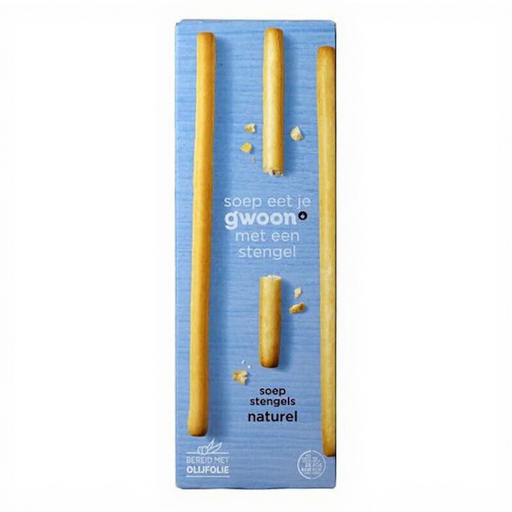
Why this fits the profile: These simple breadsticks are ideal for anyone looking for a snack with soup or a cheeseboard without complicated flavour variations.
The product information lists a short ingredients list with wheat flour, olive oil, yeast and salt. This makes the basics easy to check.
125g, neutral flavour, 2.5g fibre per 100g and suitable as an accompaniment to soup.
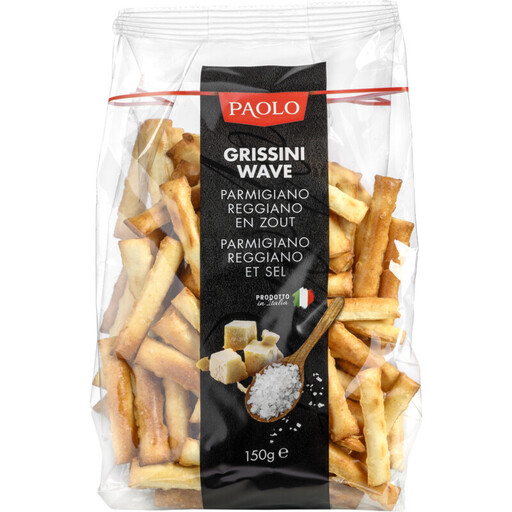
Why this fits the profile: The combination of grissini, Parmigiano Reggiano and olive oil suits a cheeseboard or a more elaborate aperitif moment.
The product description mentions the Parmigiano content of 7.5% and lists 2.4g of salt per 100g. This helps you judge the pronounced flavour more accurately.
150g, 13g protein and 2.6g dietary fibre per 100g; contains wheat and milk.

Why this fits the profile: The large pack is practical for families or households where crackers are eaten daily at breakfast and lunch.
The product details explicitly state 48% wholemeal rye flour, 38% wheat flour and 16% wholemeal wheat flour. The fibre content is also listed.
375g, 14g fibre per 100g and suitable for savoury or sweet toppings.
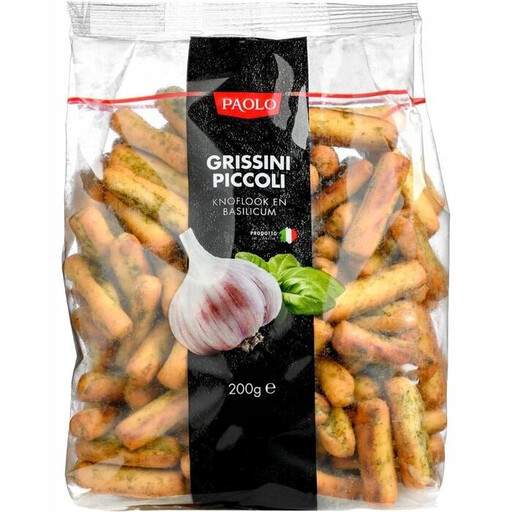
Why this fits the profile: The small grissini are ideal for lunchboxes, soup and snack times when several family members fancy something crispy.
The product information lists the flavour, the 200g weight and the allergens. For children, always check the current packaging and appropriate portion size.
Garlic and basil flavour, Italian wheat flour and no artificial colours or preservatives according to the product description.
We’ve put together a full, up-to-date list of products that fully meet these strict selection criteria and comply with current European safety regulations.
Crackers and crispbread are usually firmer and designed for topping. Crispbread is often made with rye or wholemeal flour. Rusks are lighter, more crumbly and often have a slightly sweeter taste. The exact composition varies by brand, so check the ingredients list and nutritional information.
Store crackers, toast, grissini and soup sticks in a cool, dry place away from moisture and heat. Seal the pack well after use. If the product goes soft, moisture has usually got in. Also check the best-before date and don’t use damaged packaging.
Not automatically. Look at the fibre content per 100g and at the types of flour in the ingredients list. Values vary across the range: some wholemeal crackers and rusks list around 11 to 14g of fibre per 100g, while other products come in significantly lower. The packaging remains the correct source for the current product composition.
