Start with your course platform: choose a Chromebook only if the tasks you need to complete work in a browser, and check that any required software is compatible with Windows or macOS. Microsoft says that the Windows and Mac desktop versions of Microsoft 365 cannot be installed on a Chromebook. Then compare the screen space with the room available on your table, and consider your workspace if you’ll be working for longer sessions.
Who is this laptop guide for?
Marker who needs specific software
You need to open and work on feedback in your course platform, and sometimes in a local application too. So check that the required software works with the operating system you choose. Microsoft Support, for example, distinguishes between Microsoft 365 on the web and the desktop versions for Windows and Mac.
Reader working through lengthy feedback
You read and write a lot of text in one sitting at the same table. In that case, screen space and a comfortable working posture may matter more than choosing the smallest laptop. Arboportaal also offers guidance on setting up your workspace for screen-based work.
Working in different locations
You also use your laptop away from the kitchen table, so size and battery life are important factors. Compare the stated battery life with the test conditions: Apple bases MacBook Air battery life on specified test activities.
What should you consider when choosing?
Windows laptop
A good fit if: your course requires Windows software, or you want to work both locally and in a browser.
Bear in mind: the screen, memory and keyboard vary by configuration; a larger screen needs more space on your table.
Chromebook
A good fit if: your course platform and all the tasks you need to complete work in a browser.
Bear in mind: Microsoft says that the Windows and Mac desktop versions of Microsoft 365 cannot be installed on a Chromebook.
MacBook
A good fit if: your course software supports macOS and the system suits the way you work.
Bear in mind: check the configuration and the supplied adapter; the stated battery life is based on Apple’s test activities.
| What to consider |
What should you check? |
Who is this important for? |
| Course software and files |
Check the required software, browser features and any offline access with your course administrator. |
I want to be sure that feedback and required features work on my laptop. Around 33% of consumers prioritise software compatibility. |
| Screen space and working posture |
Compare screen size and finish, and leave room for a separate mouse or keyboard. |
When I read and enter lengthy feedback, I want enough workspace and a suitable set-up. Around 27% of consumers prioritise reading comfort and working posture. |
| Everyday use and configuration |
Choose memory and storage to suit your software and files. The Consumentenbond recommends 8 GB for light use and, if possible, 16 GB if you often have several programmes open at once. |
I’m looking for a configuration that can handle my everyday coursework without paying for unnecessary extras. Around 20% of consumers prioritise getting the features they need within their budget. |
| Portability and power |
Compare size and weight; check the test conditions behind the stated battery life and see whether an adapter is included. |
When I work in different locations, I want to carry my laptop easily and know when I’ll need a power socket. Around 20% of consumers consider portability their top priority. |
How to avoid common buying mistakes
-
Assuming Office works the same on every operating system
Accessing Microsoft 365 in a browser isn’t the same as being able to install the Windows or Mac desktop versions. Microsoft Support confirms that these desktop versions cannot be installed on a Chromebook.
Check which specific tasks and applications your course requires. Don’t rely solely on a general mention of Word or Teams.
-
Looking only at screen size for longer sessions
A built-in screen and keyboard don’t automatically make for a comfortable working posture during long periods of screen-based work.
Consider your whole table set-up when choosing, and think about whether you’ll need a separate mouse, an external keyboard or a different screen position.
A separate mouse or keyboard may take up extra table space and might need to be bought separately.
-
Assuming a product range name confirms the exact configuration
The screen, memory, keyboard and box contents can vary between configurations, even within the same product range.
Compare the full model number and check the specifications and included accessories for the exact configuration you want to order.
Brands to compare
Lenovo
The IdeaPad Slim 3 range includes Windows laptops and Chromebooks. The full model code helps you identify the configuration you’re looking at.
- For the IdeaPad Slim 3 Gen 8 configuration 82XN008RMH, Lenovo Netherlands lists Windows 11 Home, 16 GB of soldered memory and a 14-inch anti-glare IPS screen.
- These features don’t automatically apply to other IdeaPad Slim 3 configurations, including the Chromebook range.
Acer
The Aspire Go 15 is a range of Windows laptops worth comparing if you’d like a larger screen.
- For configuration NX.JRREH.00M, Acer lists a 15.6-inch Full HD IPS screen, 16 GB of RAM and a 1 TB SSD.
- Check the full model number: these specifications apply to the configuration listed and not necessarily to every Aspire Go model.
Apple
The MacBook Air M5 is a macOS option, available with a 13-inch or 15-inch screen.
- Apple lists 16 GB of memory and 512 GB of storage for the base configuration.
- Check that your course software supports macOS and see which adapter comes with your chosen configuration. Apple’s stated battery life is based on specified test activities.
HP
HP offers a range of Windows laptops, including 14-inch models to compare if you’re looking for a compact screen.
- HP’s range includes different configurations, so you can choose a model to suit your preferred screen size and how you’ll use it.
- For one listed OmniBook X configuration, a recommended USB-C adapter is sold separately. Check what’s included with the exact model.
Joybuy laptops for coursework
The models below are Windows laptops for coursework at a table. Compare screen space, configuration and included power accessories, and check separately that your course software works with the model you choose.
 Image unavailable
HP OmniBook 3 14-hy0058ndx – Ryzen 5 7520U, 8 GB, 512 GB SSD
A Windows 11 Home laptop for coursework, provided the software you need is compatible with this configuration.
14-inch IPS screen with 1920 × 1200 resolution and an anti-glare finish; 8 GB of memory and a 512 GB SSD.
Stated weight: approximately 1.42 kg. No charger is included, so you’ll need to buy one separately.
View product
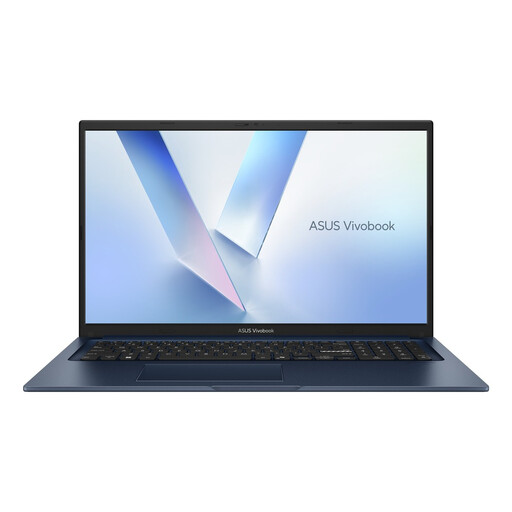 Image unavailable
ASUS Vivobook 17 X1704MA-AU153W – Core 5 320, 8 GB, 256 GB SSD
A Windows 11 Home laptop for viewing course feedback on a large screen. Measure the space available on your table before you buy.
17.3-inch Full HD screen, 8 GB of RAM and a 256 GB SSD. Stated weight: 2.10 kg.
View product
 Image unavailable
AUUSDA T156A – 16 GB DDR4, 512 GB SSD
A laptop with a 15.6-inch screen for viewing feedback and documents at the table.
The product listing specifies a Full HD IPS screen, 16 GB of DDR4 memory, a 512 GB SSD, a 3050E processor and a backlit keyboard.
View product
 Image unavailable
Microsoft Surface Laptop 7 15-inch – Snapdragon X Elite, 16 GB, 512 GB
A Windows 11 Pro model for viewing course documents on a 15-inch screen. Check that your course software is compatible.
2496 × 1664 touchscreen with a 3:2 aspect ratio, 16 GB of RAM and a 512 GB SSD. Stated weight: 1.66 kg.
View product
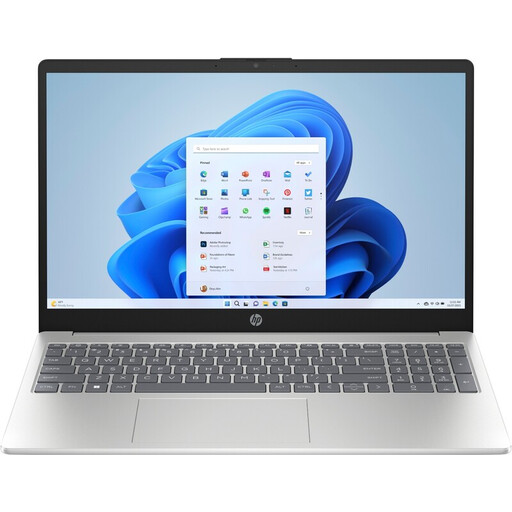 Image unavailable
HP Laptop 15-fd1251ndx – Core 5 120U, 8 GB DDR5, 512 GB SSD
A Windows 11 Home laptop for coursework on a larger screen. Bear in mind how much space you have available on your table.
15.6-inch Full HD IPS screen with a matte finish, 8 GB of DDR5 memory and a 512 GB SSD. Stated weight: 1.59 kg.
No power adapter is included, so you’ll need to buy one separately.
View product
Frequently asked questions
Can you use Microsoft 365 on a Chromebook for course feedback?
Yes. Microsoft says that Word, Excel, Teams and OneDrive are among the apps you can access on the web. The Windows and Mac desktop versions of Microsoft 365 cannot be installed on a Chromebook. Check that the features you need for your course work in a browser.
How can you set up for a longer marking session at the kitchen table?
Think about your whole workspace, not just the laptop specifications. Arboportaal advises limiting laptop use without accessories to a maximum of 2 hours a day and no more than 1 hour at a time. A separate mouse or keyboard could be part of an alternative set-up. This is workplace guidance, not a universal buying requirement for every laptop.
What about warranties and the cooling-off period when buying online in the Netherlands?
For a consumer purchase, the seller is responsible for the statutory guarantee. According to the Authority for Consumers & Markets, there is no fixed guarantee period. Online purchases generally come with a cooling-off period of up to 14 days after delivery, subject to legal exceptions. Also check separately what any commercial warranty covers.


