What should you look for when washing lunchboxes?
Washing up by hand
Best if: you only have a few lunchboxes after an occasional weekend lunch and can use a washing-up bowl.
The trade-off: you’ll spend time washing up yourself, but won’t need a machine. Milieu Centraal says washing up by hand is usually better for the environment if you use little hot water.
Countertop model with fixed water inlet and drain
Best if: you regularly wash several lunchboxes as well as other dishes, have suitable connections and can fit everything in the rack.
The trade-off: the machine takes up space, and a stated number of place settings doesn’t guarantee that wide containers and lids will fit.
Countertop model with a water tank
Best if: you don’t have a fixed water supply, but do have a suitable spot and a safe way to drain the water.
The trade-off: you’ll need to fill the tank by hand; having a tank doesn’t remove the need for a drain.
Start by checking that all the lunchbox parts are suitable and will fit. Then compare how much washing up you have, the connections available and how often you’ll use the machine.
| What to consider |
What to check |
Who should prioritise it |
| Suitability and fit |
Check the dishwasher-safe symbol on each part, along with any instructions about using the top rack or a low temperature. Measure containers and lids, then compare them with the usable rack space. |
If I want to wash loose lids and inserts too, I check that each part is suitable according to its own instructions and fits properly in the rack. Around 31% of consumers prioritise whether the parts are suitable and will fit. |
| Amount of washing per load |
Compare your usual containers, lids and other dishes with the rack layout. Check that the spray arms can rotate freely. |
If I’d prefer to wash the lunchboxes with plates and cutlery, I check whether that combination really fits in one load. Around 25% of consumers prioritise how much washing up they can do per load. |
| Water supply, drainage and placement |
Read the instructions for the water supply, drain hose and placement. Also check how much space you have available. |
If there’s no fixed water connection, I want to know in advance whether I can fit a tank model in my kitchen and how the water will drain away. Around 25% of consumers consider connections and placement decisive. |
| Value for occasional use |
Work out how often you’ll also wash other dishes. When comparing models, compare eco-programme consumption on the same basis and weigh it against washing up in a bowl. |
If I only wash a few lunchboxes now and then, I weigh up the convenience of having an appliance against the space it takes up and how often I’d use it. Around 19% of consumers focus mainly on whether a machine is worthwhile for occasional use. |
Joybuy dishwashers with a water tank
This selection features countertop dishwashers with a water tank, for situations where there’s no fixed water supply. Check the drainage requirements for each model and whether your lunchbox parts will fit in the rack.
 No image available
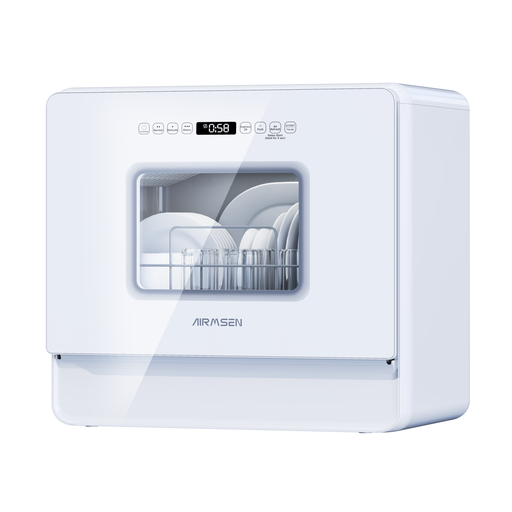
AIRMSEN Large Slim countertop dishwasher, A01
A tank model to consider if there’s no fixed water supply. Check the drainage requirements too, and whether your lunchboxes will fit.
Built-in 5-litre water tank.
Joybuy
 No image available
AIRMSEN portable countertop dishwasher, 5+1 wash cycles
A tank model to consider if there’s no fixed water supply. Check the drainage requirements too, and whether your lunchboxes will fit.
Built-in 5-litre water tank.
5+1 wash cycles.
Joybuy
 No image available
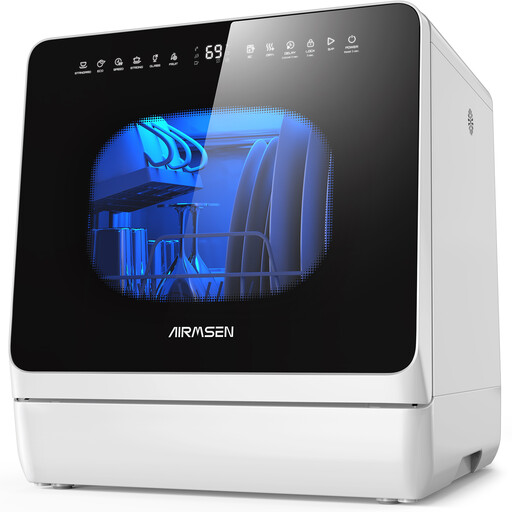
AIRMSEN countertop dishwasher, 8 wash programmes
A tank model to consider if there’s no fixed water supply. Check the drainage requirements too, and whether your lunchboxes will fit.
8 wash programmes.
Joybuy
 No image available
AIRMSEN countertop dishwasher, 5L tank, 9 wash programmes, 37 × 50 cm, energy rating D
A tank model to consider if there’s no fixed water supply. Check the drainage requirements and whether the stated dimensions will fit on your worktop.
Built-in 5-litre water tank.
9 wash programmes.
Dimensions: 37 × 50 cm.
Energy rating D.
Joybuy
 No image available
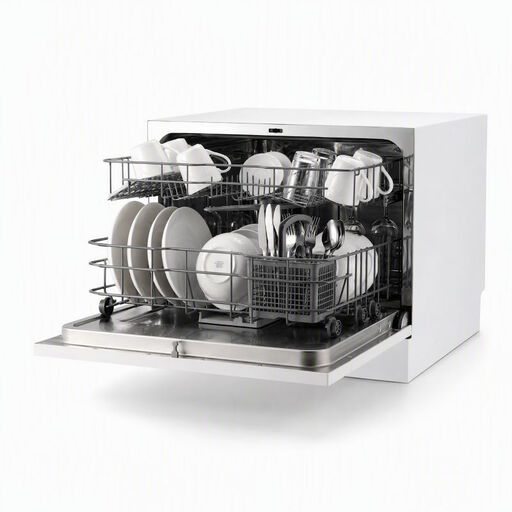
ochama countertop dishwasher, 6 standard place settings, 30-minute quick wash
A countertop model to consider if you want to wash other dishes as well as lunchboxes. Check whether the parts will fit in the rack.
Capacity: 6 standard place settings.
Quick wash: 30 minutes.
Joybuy
Frequently asked questions
Can I wash any lunchbox labelled dishwasher-safe on any programme?
No. Check the instructions for the lid and inserts too. The Voedingscentrum says that some materials can only go in the top rack or be washed at a low temperature.
Can I use a dishwasher with a water tank without a drain?
A water tank relates to the water supply, not the drainage. Before setting up the machine, check the manual for your chosen model to find out where the drain hose needs to go.
How can I keep the machine clean after a weekend lunch?
Remove any loose food and check the filter regularly. Keep the spray arms clear and follow your model’s manual for further cleaning instructions.
What consumption information and rights are relevant when buying online in the Netherlands?
According to the Rijksoverheid, the energy label for dishwashers also shows water consumption. When you buy online from a business, you’ll usually have 14 days to change your mind, subject to legal exceptions. If a product is faulty, you have consumer rights in relation to the seller.
Where can I take an old dishwasher when I buy a new one?
According to the Rijksoverheid, you can return an old, similar appliance to the shop or online retailer where you buy the new one. You can also take it to a collection point or your local council recycling centre.


