
Vandaag of morgen in huis

Kwaliteit gegarandeerd

Welkomstaanbiedingen ontgrendelen: GRATIS bezorging | Tot 80% korting | Gratis 30 dagen JoyPlus-proefperiode
Download de app
Cotton face wipes may seem straightforward, but the difference between products lies in the material, size, moisture resistance and ease of use. A wipe that feels pleasant when you first open the packet can, for example, tear easily when used damp. What's more, terms like "soft", "natural" and "suitable for sensitive skin" aren't always backed up in the same way.
This buying guide will show you what to look for in 100% cotton face wipes, bamboo varieties, disposable face cloths and reusable wipes. That way, you can choose a version that suits removing make-up, daily cleansing, baby care or use on the go.
A product name may contain the word cotton, while the main material is, for example, viscose, lyocell or a synthetic fibre. Always check the material listing. The Ochama × J.ZAO Disposable Face Towel, for instance, mentions a soft cotton towel, but lists viscose and lyocell fibre as the raw materials. That doesn't automatically make the product unsuitable, but it is different from a 100% cotton wipe.
For both dry and damp face wipes, strength when wet is important. A thin tissue can fall apart or leave lint behind when removing make-up. So look for information on tear resistance, number of layers, grammage and fibre loss when damp. Manufacturer information on these properties should be treated as a product claim; also check the practical instructions and reviews when available.
A value pack may seem economical, but the size of each sheet varies from product to product. So don't just compare the total number of sheets, but also:
For a family, a large pack can be practical. For a student room or on the go, a smaller travel pack is often more convenient.
Where possible, choose a product whose fibres are clearly stated on the label. 100% cotton is relevant when you are deliberately looking for a natural fibre material. Bamboo face wipes are usually made from bamboo pulp and have different properties to cotton wipes. "Biodegradable", "hypoallergenic" or "suitable for sensitive skin" are not universal guarantees. According to its own product information, certain Purcotton versions have been tested for sensitive skin and are OEKO-TEX STANDARD 100 certified. Always check the packaging and stop using if irritation occurs.
Also pay attention to added substances. According to the manufacturer, Purcotton wipes are described as free from perfume, alcohol, plasticisers and optical brighteners. That can be appealing if you want a short ingredients list, but it remains information from the brand's product description.
A sheet of around 20 × 20 cm offers more surface area for removing make-up than a small travel wipe of 15 × 10 cm. A 3-ply or 4-ply bamboo tissue can feel sturdier than a single-ply tissue, while a pearl texture gives extra friction when wiping. More texture isn't pleasant for everyone: if you have a reactive skin, a smoother surface may be more sensible.
For daily drying, a fabric face towel is a different choice from disposable wipes. The SANLI Soft Small Cotton Face Towel, for example, is a cotton towel measuring approximately 34 × 72 cm. This version is intended for repeated use, provided you wash the towel regularly and let it dry thoroughly.
Not every facial cleansing wipe is pre-moistened. Some wipes are dry and are only dampened with water. That gives you control over the amount of moisture and prevents a pack from drying out. Other products are designed for single use and must be thrown in the bin after use.
Do not flush cotton, bamboo and non-flushable disposable wipes down the toilet. Even if a pack says "biodegradable", that doesn't automatically mean the wipe is suitable for every sewage system.
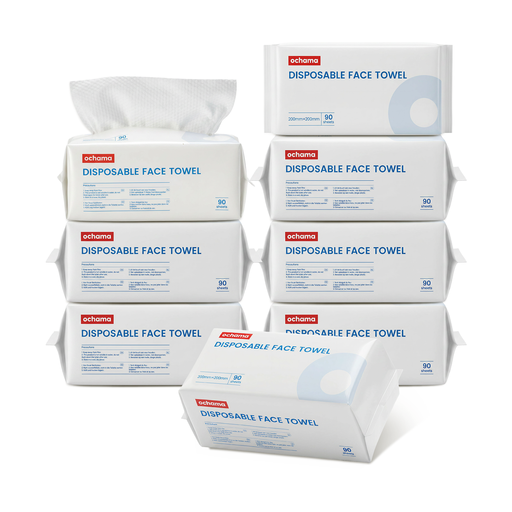
Why this fits the profile: The pack contains 720 sheets in eight packs, making it aimed at families or intensive daily use. According to the product information, the wipes can be used dry or damp.
The material composition is listed as viscose and lyocell, so you won't confuse this product with 100% cotton face wipes.
720 sheets, pearl texture, odourless according to the product information and suitable for dry and damp use.
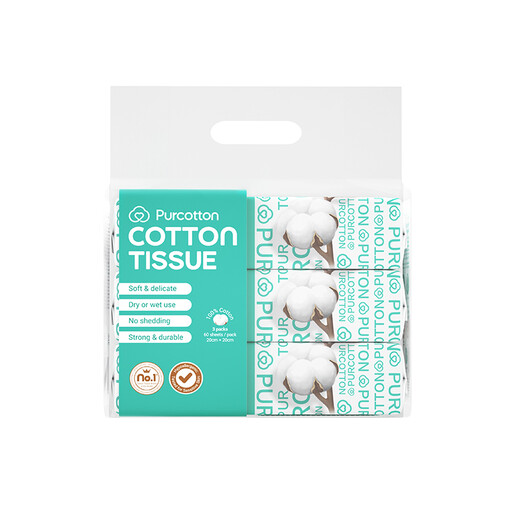
Why this fits the profile: If you're specifically looking for 100% cotton, this gives you a clear material indication, three packs and a size of 20 × 20 cm per sheet.
The product information states that the wipe can also be used damp and, according to the manufacturer, remains soft without releasing fibres.
100% cotton, dry and damp use, 20 × 20 cm and product information about OEKO-TEX STANDARD 100.
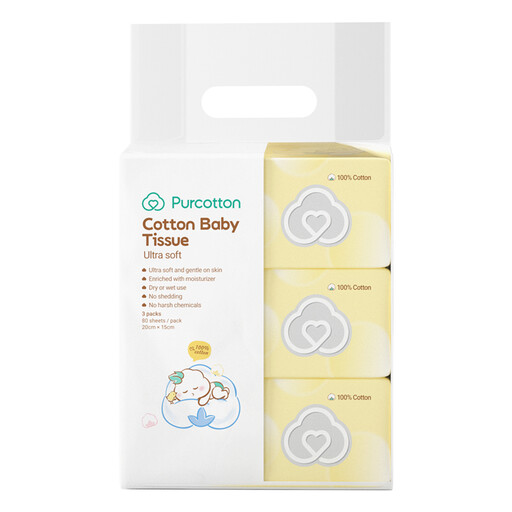
Why this fits the profile: This version is aimed at families and baby care. According to the product description, the wipes can be used dry or damp and are described as ultra-soft.
The material composition and method of use are clearly stated. Use the wipe only externally and follow the instructions on the packaging.
100% cotton, 240 sheets, can be used dry or damp and, according to the manufacturer, free from perfume, alcohol and optical brighteners.
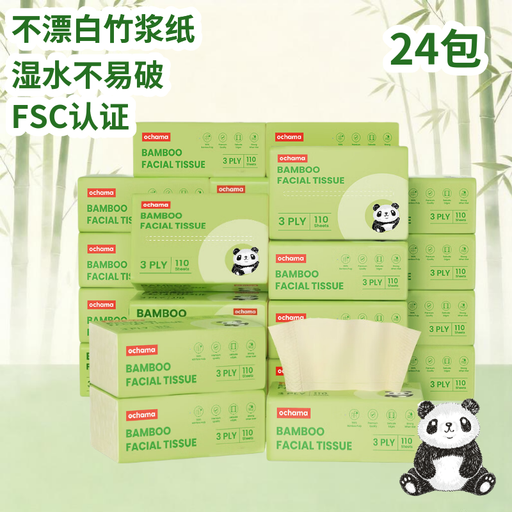
Why this fits the profile: According to the product information, this family pack uses 100% unbleached bamboo pulp and contains 24 packs of 110 sheets each.
The material, number of layers and size of 190 × 133 mm are stated. This allows you to compare it fairly with cotton versions.
3-ply, unbleached bamboo pulp, 2640 sheets and, according to the product information, suitable for dry and damp use.
We've put together a full, up-to-date list of products that fully meet these strict selection criteria and current European safety regulations.
Yes, a smooth and sufficiently large cotton wipe can be used for removing make-up. If necessary, dampen a dry wipe with water and avoid harsh rubbing. For waterproof make-up, a suitable cleansing product may be needed. After use, check whether the wipe is disposable or needs to be washed.
Reusable face wipes are usually fabric cloths that you wash after use and must dry completely. They can be handy for a regular routine, but require extra washing and drying. Disposable face wipes are practical for on the go, baby care or situations where you want a clean wipe each time. Throw them in the bin, unless the packaging explicitly states otherwise.
Store dry wipes in a sealed, dry cupboard or drawer. Avoid placing opened packs directly above a shower or in a damp bathroom. For on the go, take a small, individually wrapped version. Wash reusable cotton wipes according to the care label and let them dry completely before storing.
