
Vandaag of morgen in huis

Kwaliteit gegarandeerd

Welkomstaanbiedingen ontgrendelen: GRATIS bezorging | Tot 80% korting | Gratis 30 dagen JoyPlus-proefperiode
Download de app
Cotton baby wipes are useful when changing nappies, drying skin and cleaning little hands and faces. Particularly with newborns, parents often look for a soft texture, minimal ingredients and packaging that does not dry out quickly. However, terms such as “pure”, “natural” or “hypoallergenic” do not, by themselves, tell you very much. The product information and intended use determine whether a wipe is right for your family.
Some wipes have a cotton-like appearance but are made from a blend of viscose, cellulose, synthetic fibres or lotion. That is not necessarily a problem, but it is important to check the material. 100% cotton baby wipes are easier to identify when the product specifications list cotton as the sole main material.
Also pay attention to the difference between dry tissues and wet wipes. A cotton tissue can be used dry or moistened with water. A wet wipe also contains a lotion with preservatives, fragrances or caring ingredients.
The terms baby wipes for sensitive skin and hypoallergenic baby wipes can be useful for an initial selection, but they do not tell the whole story. Always check the ingredients and confirm whether the wipe is fragrance-free and alcohol-free if you want to avoid these substances.
A product description may state, for example, that a formula has been dermatologically tested. According to the brand’s own information, this does not automatically mean that every baby will react in the same way. Stop using the product if redness or irritation occurs and, if necessary, choose a simpler product containing only water and a wipe.
A box containing hundreds of wipes may seem attractive on a per-wipe basis, but wet wipes can dry out if the closure is not used properly. Therefore, check:
Dry cotton wipes are not affected by drying out. This makes them practical when you want to decide how much water to add yourself.
For everyday use, you want a wipe that feels soft but does not tear straight away. For wet use, tensile strength is particularly important: a wipe becomes heavier and may fall apart more quickly. Product descriptions may indicate whether the material remains strong when wet and releases few loose fibres. Treat this information as a product specification from the brand, not as a universal guarantee.
For example, Purcotton states that its wipes are made from 100% premium cotton and retain their structure when wet. According to Purcotton’s own information, they are also designed not to shed lint. The set contains 240 dry tissues, divided into three packs of 80.
If you are looking for fragrance-free baby wipes or alcohol-free baby wipes, it is worth reading the full ingredients list. “99% water” does not mean that the remaining 1% is unimportant. It may include glycerine, citric acid, preservatives or plant extracts.
An OEKO-TEX baby wipe refers to certification of the material according to a particular standard. Check the certificate number and the exact product variant. BC Babycare’s product information mentions OEKO-TEX STANDARD 100 certification with the number 25.HUS.21538 Hohenstein. The manufacturer also states that the formula is fragrance-free and made with plant-based fibres.
The claim biodegradable baby wipes also requires some nuance. Biodegradable material does not mean that used wipes can be flushed down the toilet. Always put wet and dry disposable wipes in the bin, unless local waste-disposal instructions state otherwise.
Wet and dry baby wipes each have a different use profile:
For sensitive skin, a dry wipe with lukewarm water can be a simple option. When you are out and about, a sealed pack of wet wipes offers greater convenience. With wet products, pay particular attention to fragrances, alcohol, preservatives and the closure.
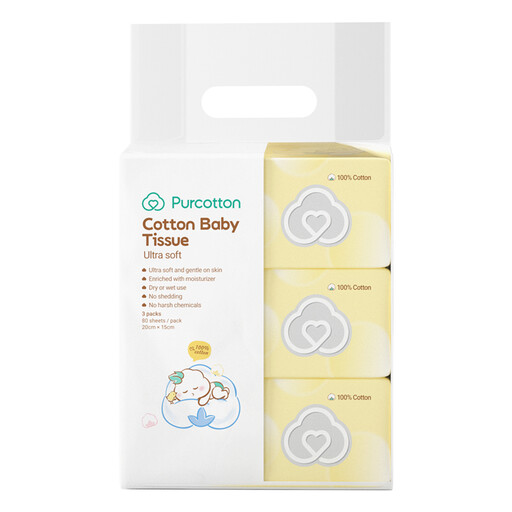
Why it suits this profile: This set contains 240 dry cotton tissues in three packs. You can use them dry or add water yourself, without paying for lotion in advance.
The product information states that the wipes are made from 100% cotton and contain no fragrance, alcohol, fluorescent whitening agents or fabric softeners. Check the packaging when it arrives.
Suitable for dry and wet use, 240 pieces and, according to the brand description, OEKO-TEX STANDARD 100 certified.

Why it suits this profile: For families looking for a thicker, wet wipe with a fragrance-free formula and a large supply of 960 pieces.
The listed specifications state that the wipes contain no fragrance, have OEKO-TEX certification and are made from plastic-free plant-based fibres. Check the certificate and ingredients on the packaging.
According to the product description, the wipes are three times thicker than many standard wipes and contain 99% purified water.
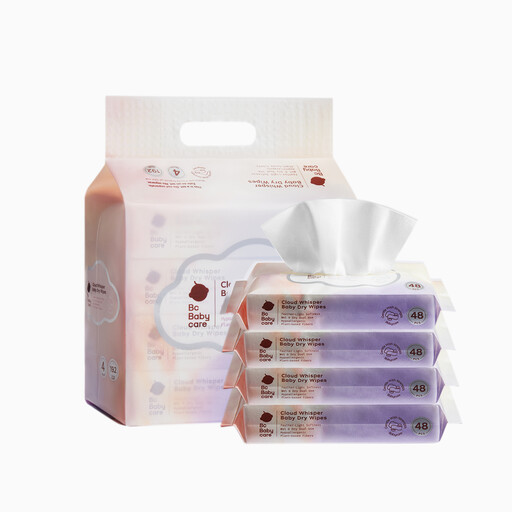
Why it suits this profile: These dry wipes are intended for babies and adults and can be used for the face, hands, removing make-up or small cleaning jobs.
You decide whether to use them dry or wet with clean water. This allows you to avoid a pre-applied scented lotion when you do not want one.
192 pieces, 20 × 20 cm and, according to the product information, made from plant-based viscose-lyocell fibres.
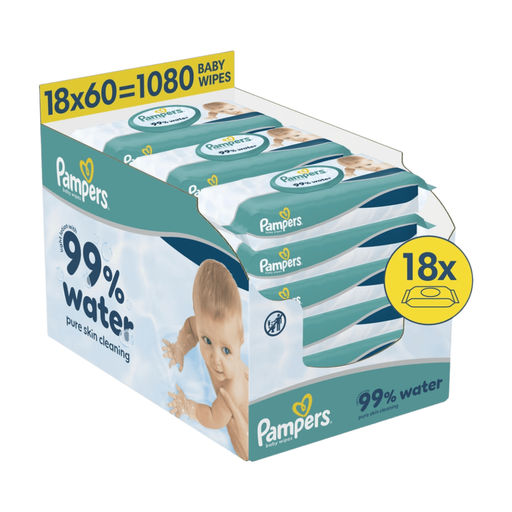
Why it suits this profile: A large supply of 1,080 wet wipes is practical for families who change nappies every day and also take a pack with them when out and about.
The product information states that the wipes contain 99% water, no alcohol and no fragrance. The resealable packaging helps limit drying out when the lid is closed properly.
According to Pampers, the wipes are dermatologically tested, plant-based and free from alcohol and fragrance. Treat these claims as product information and follow the label.
We have put together a complete, up-to-date list of products that fully meet these strict selection criteria and the applicable European safety regulations.
Store dry wipes in a clean, dry place. Moisten one with clean water when needed and throw it away afterwards. With wet wipes, close the packaging immediately after use. Do not reuse any wipe and never flush a disposable wipe down the toilet, even if it is described as biodegradable.
When trying a new product, test it on a small area first. Before each use, check that the wipe is clean, has no unusual smell and is not discoloured. Keep packaging film and small loose parts out of children’s reach.
Dry wipes made from 100% cotton can be used with clean water, but always check the product information. With wet wipes, the ingredients, fragrance and preservatives are key considerations. Introduce a new product carefully and stop using it if irritation occurs.
This varies by brand and packaging. Check the use-by date and the information about use after opening. A securely closed lid helps limit drying out, but an opened pack should not be left unused for months.
That depends on the price per wipe and how much water you need. Dry wipes do give you more control over the amount of moisture and the ingredients. A larger set may be appealing for everyday use, while pre-moistened wipes are often simpler when you are out and about.
