
Vandaag of morgen in huis

Kwaliteit gegarandeerd

Welkomstaanbiedingen ontgrendelen: GRATIS bezorging | Tot 80% korting | Gratis 30 dagen JoyPlus-proefperiode
Download de app
Cotton baby cloths come in handy for almost every care routine. You can use them as muslin cloths for baby, burp cloths, a towel after washing, or as a soft cloth during nappy changes. Yet many products look similar, even though there are big differences in material, size, number of layers and care.
If you only focus on colour or a low price, you could end up with cloths that quickly feel thin, don’t absorb enough moisture, or take ages to dry. This practical checklist will help you see more easily which cotton baby cloths suit your household.
A pack with lots of cloths might seem like good value, but first check the size. Small cloths are practical for the face or hands, whereas a cloth around 50 × 30 cm offers more catching surface for feeding and nappy changes. A large baby towel is more suitable after bath time.
Also pay attention to what exactly is in the pack. Sometimes it contains several small cloths, when really you need a mix of burp cloths and baby towels.
A product description may promise soft cloths for newborns, but it often says little about the material or construction. So look at:
According to the product description of various cotton muslin cloths, cotton becomes softer after washing. That’s a claim from the brand’s product information, not a guarantee for every user or every washing routine.
Microfibre cloths are made for different purposes than cotton baby cloths. They can be handy for windows, mirrors, screens, kitchen surfaces or the car, but don’t automatically use them on a baby’s skin. Keep cleaning cloths and baby cloths separate and wash them separately if possible.
For direct contact with a baby’s skin, many parents choose 100% cotton baby cloths. Cotton generally feels familiar and is suitable for drying, covering and catching spills, as long as the cloth is clean and undamaged.
Muslin and hydrofil fabrics are often light and breathable. A six-layer version can, according to the product description, offer more absorbency than a single-layer cloth. Do check whether the cloth can dry sufficiently after washing before you need it again.
Use the size as a practical selection guide:
A set with different sizes can save space in your nappy bag. For daily use, a pack of five cloths is also practical, because you don’t have to wash immediately after every little mark.
Absorbent baby cloths are handy, but a thicker cloth isn’t automatically more practical. Look for the balance between absorbing moisture and drying quickly. According to the product descriptions of the six-layer cotton cloths below, they are reusable and quick-drying. Always follow the specific care label.
For several reference products, the instructions state:
Wash new cotton baby cloths before first use according to the label. Before use, check for loose threads, damage and any lingering colour or washing odour. Always test the temperature of a warm cloth on your own skin first.
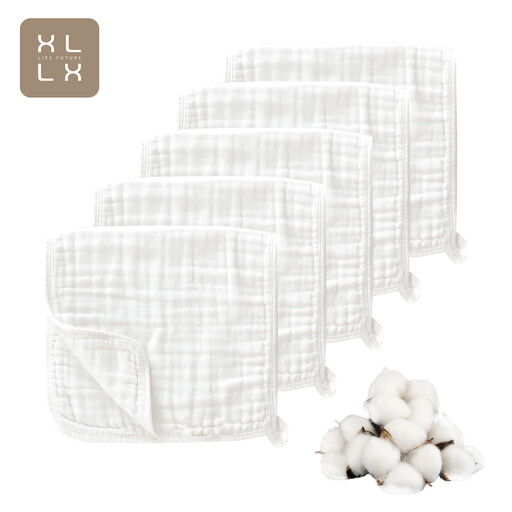
Why this fits the profile: This set contains five white cotton cloths measuring 30 × 50 cm. That’s a straightforward start for feeding, nappy changes and on the go.
The quantity, size and material are clearly stated. So you’re not buying based on a vague claim like “extra soft”.
100% cotton, six layers, five pieces and a size of 50 × 30 cm according to the product description.
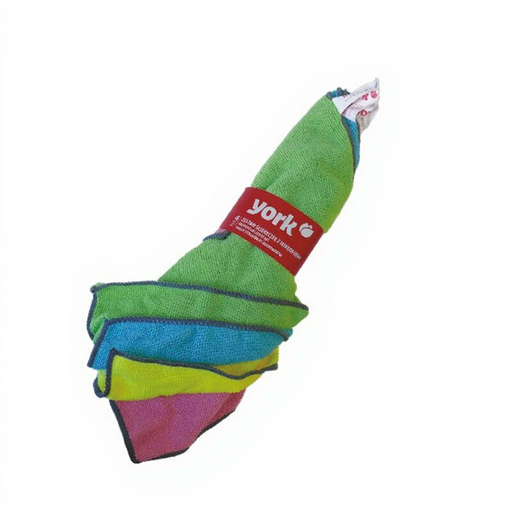
Why this fits the profile: This set is intended for household surfaces, windows, mirrors, screens and lenses. So it suits anyone who wants to consciously separate baby cloths and cleaning cloths.
The product category and intended use are clearly defined. Do not use these cloths as soft cloths for newborns.
Four cloths measuring 30 × 30 cm; according to the product description, suitable for dry or damp cleaning and repeated washing.
We’ve put together a full, up-to-date list of products that fully meet these strict selection criteria and current European safety regulations.
That depends on how often you wash and what you use the cloths for. For a starter set, five to ten small or medium cloths are practical. Add larger baby towels if you also want to use them after bath time. With several cloths, you’ll keep a clean supply for feeding, nappy changes and on the go.
Always follow the care label. For the muslin products mentioned, the instructions say wash at 40 °C, no bleach or dry cleaning, and preferably air dry. Don’t use fabric softener if the label advises against it. Wash cloths for baby’s skin separately from microfibre cloths and other cleaning cloths.
The lifespan depends on the quality of the weave, the number of washes and how you treat them. Check regularly for fraying, thin patches and stubborn stains. A cloth that keeps its shape and dries well can be reused for a long time. Replace a damaged cloth and don’t use it for direct contact with a baby’s skin.
