What should you look for when choosing?
Start with the smallest details you want to show and the distance from which you’re allowed to take photos. Then check whether the same set-up can also take an overview shot and complies with the venue’s rules.
| What to consider |
What should you check? |
Who is this important for? |
| Capturing small details |
Check the magnification and focusing distance of the specific lens or camera mode. If possible, try framing the shot without touching the costume. |
If I want to fill the frame with embroidery or a maker’s mark, I’ll consider both magnification and the distance from the fabric. Around 40% of consumers prioritise close-up detail. |
| Lighting and set-up |
Ask the organiser which light sources, distances and support equipment are permitted. |
I want to know in advance whether I can use my planned set-up, and I don’t want to assume that a tripod or extra lighting will be allowed. Around 30% of consumers prioritise permitted lighting and set-up requirements. |
| Both overview and detail shots |
Try framing a shot of the whole costume and one of the detail you want to capture. Check which lens is included with the kit. |
If I want to photograph both the whole costume and, for example, a seam, my lens set-up needs to handle both shots. Around 20% of consumers need both types of image. |
| Putting together a complete kit |
First check which camera and lenses you already own, and which lens is included with the new kit. |
I don’t want to buy an extra camera body or lens before I know whether my existing equipment can capture the images I want. Around 10% of consumers prioritise avoiding unnecessary purchases. |
The Cultural Heritage Agency of the Netherlands recommends taking at least one clearly identifiable overview shot when documenting objects. Lenses vary when it comes to capturing details: Canon lists a maximum magnification of 0.26× for the RF-S 18–45mm kit zoom, depending on the zoom setting and focusing method, and up to 1:2 for the separate RF 35mm F1.8 MACRO IS STM. The kit lens and the macro lens are therefore not interchangeable alternatives.
Cameras at Joybuy
The cameras below are designed for general photography and a range of framing options. Before buying, check whether the specific lens or camera mode can capture the costume details you want from the permitted working distance.
 No image available
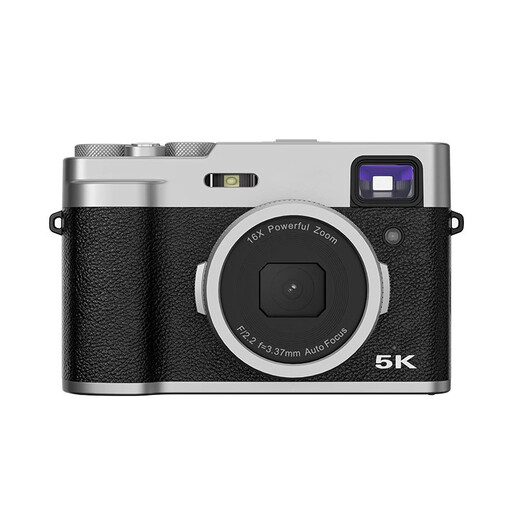
KOMERY G7 5K Digital Camera
The product title lists 5K and 80MP. Check the focusing distance and macro magnification before expecting to capture small embroidery details.
View at Joybuy
 No image available
Komery W6 Digital Camera
The product title lists 4K and 64MP. Check whether the camera can capture the detail you want sharply from the permitted distance.
View at Joybuy
 No image available
Songdian Retro 48MP Autofocus Camera
The product title lists autofocus, 48MP and a 2.8-inch LCD screen. Check that the focusing system can handle the smallest details you want to show.
View at Joybuy
 No image available
Sony ZV-E10 + 16–50mm Zoom Black
The kit name lists a 16–50mm zoom lens. Check whether the included lens can take the close-up you want from the permitted working distance.
View at Joybuy
Frequently asked questions
How can I take a useful series of photos for the exhibition?
Start with a clearly identifiable overview shot, then decide which seams, textures or makers’ marks are worth photographing in detail. The Cultural Heritage Agency of the Netherlands recommends taking at least one overview shot when photographing objects. Where possible, keep the distance, angle and lighting consistent.
Can I use a tripod or flash near the costume?
That depends on the rules at the specific venue. The TextielMuseum sets its own rules for photography without flash or a tripod, but these don’t automatically apply to another exhibition. Ask the organiser in advance what is permitted.
Do I need a special lamp for macro photography?
First check what lighting is available and permitted. A lighting accessory supplied with a particular kit won’t automatically be included with a camera sold on its own. Discuss your set-up with the person responsible for the delicate fabric.
Can I publish photos of the costumes without asking?
Don’t assume you can: the rights to a particular costume and your agreement with the organiser may be relevant. The Dutch Government explains that creative works may be protected by copyright, and restrictions may apply to publishing photos of protected works. Check what permission you need before publishing.
What warranty applies if a camera breaks too soon during normal use?
In the Netherlands, statutory guarantees apply alongside any manufacturer’s or seller’s warranty. ACM ConsuWijzer explains statutory guarantees separately; there is no single fixed statutory warranty period that applies to every camera.


