For an Easter brunch for one, you can measure out a bowlful from a standard box: Kellogg's Corn Flakes lists a 30 g serving, while AH Cornflakes lists 40 g. Before buying, consider whether you’ll use the rest of the box, and if you have dietary requirements, check the nutritional information and allergens on the exact packaging.
Who is this for?
Anyone making a bowl for themselves
You want to serve one portion at Easter brunch without pouring out the whole box. The serving suggestion on the packaging gives you a starting point for measuring; seal the box afterwards, following the storage instructions.
Anyone checking ingredients or allergens
You want to know what’s in the cornflakes before serving them to yourself or a guest. For the Kellogg's Corn Flakes product reviewed, Jumbo lists barley as an allergen. So check the allergen information on the exact packaging.
What should you look for when choosing?
First, decide how much you want to measure out for brunch and what you’ll do with the rest of the box. Then compare the nutritional information and, if you have relevant dietary restrictions, check the allergen declaration.
| What to consider |
What to check when buying |
Who is this most important for? |
| Portion and what’s left in the box |
Check the serving suggestion and storage instructions. Kellogg's Corn Flakes lists a 30 g serving; AH Cornflakes lists 40 g. |
If I’m making a bowl just for myself, I want to be able to measure out the amount I need and store the rest. Around 42% of consumers would consider portion size and leftovers their main priority. |
| Nutritional information |
Compare sugar, salt and fibre on the same basis, such as per 100 g, and check the ingredients list too. |
Anyone serving cornflakes alongside other brunch dishes will want to know which ingredients and nutritional values come with their choice. For around 33% of consumers, this would be the most important consideration. |
| Allergens |
Read the allergen declaration on the exact packaging; don’t assume a product is suitable based on its category. |
If I’m serving cornflakes to a guest who needs to avoid certain grains, I need to know whether this particular box is suitable. For around 25% of consumers, checking allergens would come first. |
Common mistakes
-
Treating a box as one serving
The Kellogg's and AH boxes reviewed contain 375 g and 500 g respectively, while their serving suggestions are 30 g and 40 g. So you’ll only use part of the box for one brunch bowl.
Measure out the amount you want to serve, then seal the packaging following the instructions on the box.
-
Assuming all cornflakes are suitable for the same dietary needs
The Kellogg's Corn Flakes and AH Cornflakes reviewed contain barley malt extract. The name ‘cornflakes’ alone doesn’t tell you which allergens are in a particular product.
Before serving, read the ingredients and allergen information on the exact packaging, taking into account what you or your guest needs to avoid.
Brands compared
Kellogg's
Kellogg's Corn Flakes is a good option if you want to use a specific serving suggestion as a guide when measuring.
- Kellogg's Netherlands lists a 30 g serving of Corn Flakes, containing 113 kcal.
- The 375 g product listed by Jumbo contains barley malt extract; Jumbo identifies barley as an allergen.
AH
AH Cornflakes comes in a box that you can measure portions from for brunch and later on.
- Albert Heijn lists a 500 g pack and a serving size of 40 g.
- This product contains barley malt extract; if you have dietary restrictions, check the other allergen information on the packaging too.
Jumbo
Jumbo lists a 500 g box of its own-brand Cornflakes as a standard pack size.
- The stated pack size makes it clear that you’ll need to measure out the amount you want for one bowl.
- For this exact own-brand box, check the serving, ingredients and allergen information on the packaging.
Golden Bridge
Golden Bridge is an ALDI own-brand range that includes cornflakes.
- When comparing this product, check the pack size and product information on the current packaging.
Smaakt Bio
Smaakt Bio has a product with ‘Unsweetened’ in its name.
- The pack listed by Jumbo contains 300 g.
- If the ingredients are important to your choice, read the ingredients and nutritional information for the exact product.
Cornflakes and alternatives on Joybuy
These boxes are worth considering if you want to measure out a bowl for Easter brunch. Kellogg's Cornflakes is a standard cornflakes option; Kellogg's Frosties is a different breakfast cereal that you should assess separately for its ingredients and nutritional information.
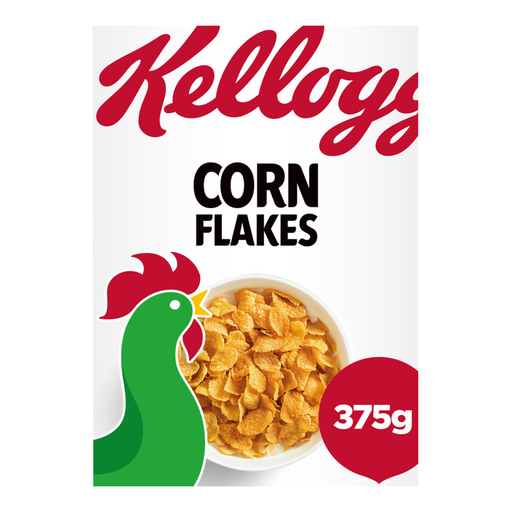 Image unavailable
Kellogg's Cornflakes 375 g
You can measure out a portion from this box for one brunch bowl. The Kellogg's Corn Flakes product reviewed lists a 30 g serving; if you’re serving someone with dietary restrictions, also check the ingredients and allergens on the current packaging.
View on Joybuy
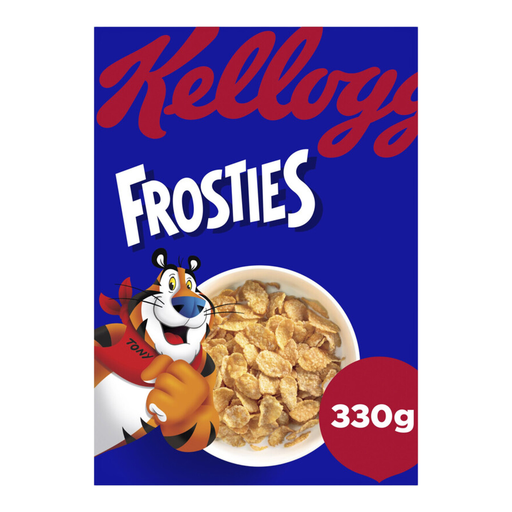 Image unavailable
Kellogg's Frosties 330 g
This box of Frosties is an alternative if you’re considering another type of breakfast cereal as well as regular cornflakes. The box contains 330 g; use the current packaging to work out how much to serve in one bowl, and check the nutritional information and allergens before serving.
View on Joybuy
Frequently asked questions
How much cornflakes should I measure out for one person?
Use the serving suggestion on the box as a guide rather than assuming every brand has the same serving size. Kellogg's Corn Flakes lists a 30 g serving and AH Cornflakes lists 40 g; also think about what else you’ll be serving at brunch when deciding how much to put in your bowl.
Is the Kellogg's Corn Flakes reviewed suitable if I need to avoid barley?
No. The Kellogg's Corn Flakes listed by Jumbo contains barley malt extract, and barley is identified as an allergen. Check the exact product and current allergen information every time you buy it.
How should I store the rest of the box after brunch?
Seal the packaging securely after measuring out a portion, and follow the storage instructions on the box. For the AH Cornflakes pack reviewed, Albert Heijn recommends storing it in a cool, dark and dry place.
What should I check when serving cornflakes to a guest?
Check the ingredients and allergens on the exact packaging before serving the cornflakes, especially if your guest needs to avoid something. The Netherlands Food and Consumer Product Safety Authority states that allergen information for prepacked products must appear on the label.


