
Families who often eat cornflakes together
If the same variety is on the table most mornings, pack size, cupboard space and how quickly you’ll get through it once opened are all important considerations.


Choose a larger pack of cornflakes if your family regularly eats the same variety and you can keep it dry and properly sealed once opened. If tastes differ or family members need to avoid certain ingredients, smaller or separate packs may be more practical. For a shared breakfast, compare the sugar, fibre and salt per 100 g too.
If the same variety is on the table most mornings, pack size, cupboard space and how quickly you’ll get through it once opened are all important considerations.
If you’re choosing breakfast cereal for several family members, you can compare similar products per 100 g for sugar, fibre and salt.
Not everyone wants or can eat the same breakfast cereal. Separate or smaller packs may be a better fit for what each family member actually eats.
First decide what type of breakfast cereal your family wants to eat: cornflakes, granola, muesli and hot cereal are not interchangeable. Then choose a pack size that suits how you’ll use it, and compare the nutritional values of similar products.
| What to consider | What should you check? | Who is this most important for? |
|---|---|---|
| Pack size and consumption | Compare the pack weight with how much of this variety your family regularly eats. | If the same cornflakes are often on the table, I want a pack that lasts but will still get finished. Pack size is the most important factor for around 36% of consumers. |
| Nutritional value | Compare similar products per 100 g for sugar, fibre and salt; check the ingredients list too. | When several family members eat the same breakfast, I want to know what it contains per 100 g. Nutritional value comes first for around 29% of consumers. |
| Taste and variety | Decide whether the pack is for the whole family or just some family members. | If not everyone wants the same variety, I’d rather choose an amount that will actually get eaten. Variety is the main consideration for around 21% of consumers. |
| Ingredients and storage | Check the allergen information on the current pack and make sure you can store opened cereal somewhere dry and properly sealed. | If someone needs to avoid certain ingredients, I want to be able to check the label. A large pack also needs a suitable place to be stored. These considerations come first for around 14% of consumers. |
A serving can be defined differently for each product, so nutritional values per serving may not provide a like-for-like comparison.
The Netherlands Nutrition Centre recommends comparing similar products per 100 g and checking the ingredients list too.
The contents need to stay dry once opened, even if it takes your family longer to finish the pack.
The Netherlands Nutrition Centre recommends storing breakfast cereal in a cool, dark and dry place, and keeping opened packs in an airtight storage container.
Ingredients vary between products. For example, Albert Heijn lists barley malt extract in Kellogg's Corn Flakes.
If someone has a relevant allergy or dietary restriction, check the ingredients and allergen information on the pack you’re buying, even if you’ve bought the product before.
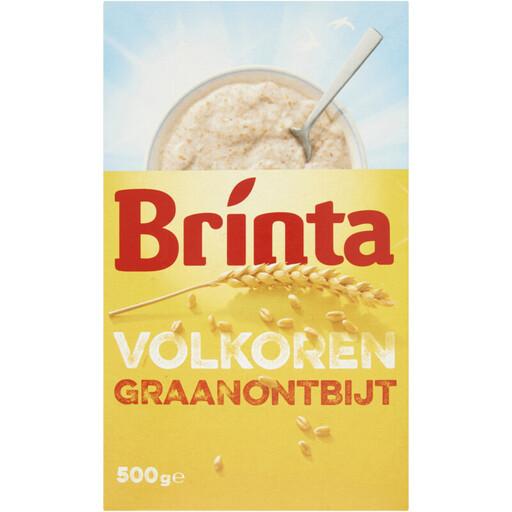
Brinta Wholegrain Cereal Breakfast is a different breakfast option from cold, crunchy cornflakes.
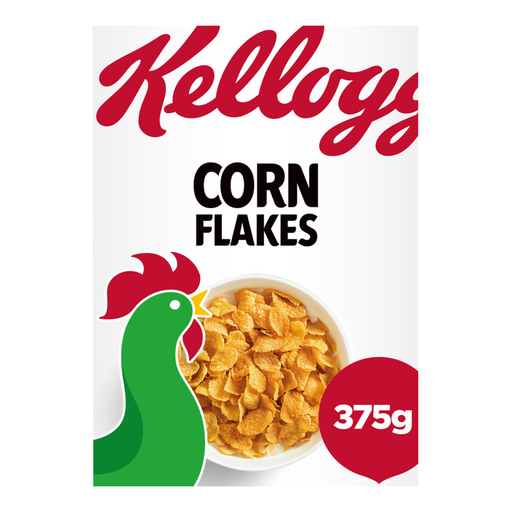
The 375 g Corn Flakes pack is a smaller cornflakes option for a family that doesn’t rely on this as its only breakfast cereal.
The breakfast cereal range includes both AH cornflakes and products from other brands.
Jumbo has a range of breakfast cereals that includes a 500 g own-brand pack of cornflakes.
Lidl’s breakfast cereal range includes products such as granola and muesli, which are different types of product from cornflakes.
ALDI lists both cornflakes and wholegrain muesli under the Golden Bridge brand.
These products show different options for a family breakfast: smaller packs of cornflakes and other breakfast cereals for anyone also considering granola, porridge oats or a hot cereal breakfast. Choose the type and pack size to suit what your family eats.
 No image available
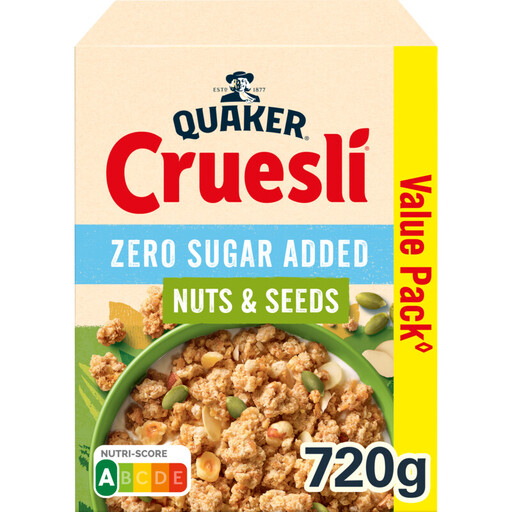
For a family that regularly eats granola, the 720 g pack size is worth weighing up against how quickly you’ll get through it once opened. This isn’t traditional cornflakes; check the ingredients and allergens on the pack.
 No image available
For a family looking for a hot cereal breakfast instead of crunchy cornflakes. The pack contains 500 g; Albert Heijn lists 10 g of fibre per 100 g for this variety. The product contains wheat and gluten.
 No image available
For a family considering porridge oats as another breakfast cereal option. The pack contains 600 g; porridge oats aren’t cold, crunchy cornflakes. Check the preparation and allergen information on the pack.
 No image available
For a family that wants cornflakes but doesn’t want to buy one large pack of the same variety for everyone. The pack contains 375 g. For this variety, Albert Heijn lists 8 g of sugar, 3 g of fibre and 1.1 g of salt per 100 g, and includes barley malt extract in the ingredients.
 No image available
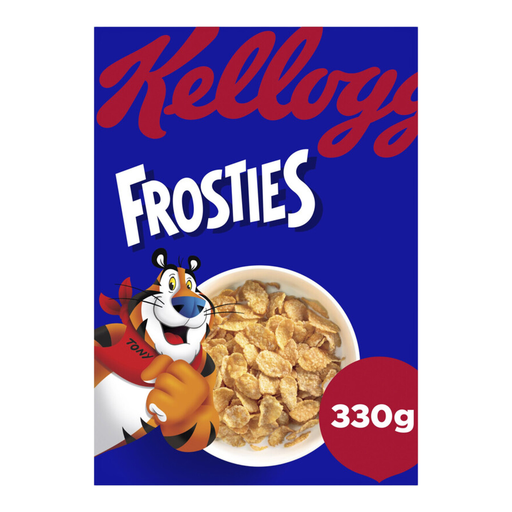
For a family where only some people eat this particular variety. The pack contains 330 g. If you’re choosing between breakfast cereals, compare the nutritional values and ingredients on the packs too.
No. A larger pack is most practical if family members regularly eat that variety and you can store it properly once opened. If tastes differ, smaller packs can stop an opened box from being left around for too long.
Compare similar breakfast cereals per 100 g, not by total pack weight. The Netherlands Nutrition Centre recommends this basis for comparison because serving sizes can vary between manufacturers; check the ingredients list too.
Store it somewhere cool, dark and dry. The Netherlands Nutrition Centre recommends keeping opened packs in an airtight storage container; also follow the instructions on the packaging.
Check the current label if anyone in your family has a relevant allergy or dietary restriction. The Netherlands Food and Consumer Product Safety Authority explains how allergens are listed on pre-packed foods. Don’t rely on the product name alone or on a pack you bought previously.