
Weekend breakfast fans keeping an eye on fibre
You want to know how much fibre your breakfast cereal provides per 100 g and in your own serving. You don’t mind a bran-like taste or texture, and other plant-based foods are also part of your diet.


If getting more fibre into your weekend breakfast is your main priority, compare flakes per 100 g: the All-Bran varieties mentioned and Jumbo Special Flakes list more fibre than Kellogg's Corn Flakes. If you also want to keep an eye on sugars, or prefer familiar cornflakes, assess those separately and check the ingredients and allergens on the exact product packaging.
You want to know how much fibre your breakfast cereal provides per 100 g and in your own serving. You don’t mind a bran-like taste or texture, and other plant-based foods are also part of your diet.
You don’t want to look at fibre alone when choosing between, for example, fruit flakes and less sweet varieties. The Netherlands Nutrition Centre recommends comparing similar breakfast cereals using their nutrition information per 100 g.
You need to know whether the exact variety is suitable for you. Check the current ingredients and allergen information on the packaging; don’t rely on the type of grain or product range name alone.
First, compare breakfast cereals per 100 g for the same weekend meal. Then decide whether fibre, the balance with sugars or the familiar texture of cornflakes matters most to you.
| What to consider | What to check | Who it matters to |
|---|---|---|
| Fibre | Compare fibre per 100 g, then consider how much you put in your bowl. Jumbo lists 26.0 g of fibre per 100 g and 10.0 g per 40 g serving for Kellogg's All-Bran Fibre Plus. | If fibre is my priority, I want to know what my own bowl provides, and I don’t mind a bran-like texture. Around 42% of consumers give this need the highest priority. |
| Fibre and sugars | Check both figures per 100 g; check the ingredients too if you want to take sweeteners into account. Jumbo lists 8.8 g of fibre and 23 g of sugars per 100 g for All-Bran Fruit'n Fibre, and 7.2 g of fibre and 1.3 g of sugars per 100 g for Jumbo Special Flakes. | With fruit flakes, I don’t want to judge by the fibre figure alone, because sugars matter just as much to my choice. For around 33% of consumers, this balance comes first. |
| Familiar flakes | Check whether the fibre content of cornflakes suits your needs, and check the current packaging and availability. Kellogg's Netherlands lists 3.0 g of fibre per 100 g for Corn Flakes. | I prefer familiar cornflakes to bran flakes, but want to know how much fibre I’m choosing. This is the most important consideration for around 25% of consumers. |
Kellogg's Netherlands lists 3.0 g of fibre per 100 g for Corn Flakes; Jumbo lists 26.0 g per 100 g for All-Bran Fibre Plus. You can’t tell the difference just from the product names.
If fibre content is your main reason for choosing, compare the figures per 100 g before deciding which texture you prefer.
Jumbo lists both 8.8 g of fibre and 23 g of sugars per 100 g for All-Bran Fruit'n Fibre. So the fibre figure doesn’t tell you the sugar content.
When considering a fruit variety, compare its fibre and sugars with those of the other flakes you’re looking at.
You can only make a fair comparison per serving if you know the stated serving size. It may not match the amount you put in your own bowl.
Start with the nutrition information per 100 g, then work out the figures for your own serving.
Product ranges and information can change. Albert Heijn recommends checking the packaging, while Lidl says its cornflakes are only available in store.
Check current availability just before buying and read the packaging, especially if ingredients or allergens are important to you.
Useful for comparing regular Corn Flakes with the All-Bran varieties mentioned; these figures apply to those specific products, not the brand as a whole.
A supermarket own-brand option for anyone wanting to compare Special Flakes with regular cornflakes.
Albert Heijn’s online category includes both regular flakes and products called AH Bran flakes fruit and Kellogg's All-Bran Fruit'n Fibre.
Worth considering if you want to look at cornflakes in store and compare the packaging there.
Golden Bridge is an option to consider if you want to compare regular cornflakes with other breakfast cereals.
These products offer different ways to enjoy a cereal-based breakfast: granola and cruesli if you’re after a crunchy mix, and wheat breakfast cereal or porridge oats if you prefer a warm bowl. They aren’t interchangeable with cornflakes, so compare the nutrition information for the variety you choose.
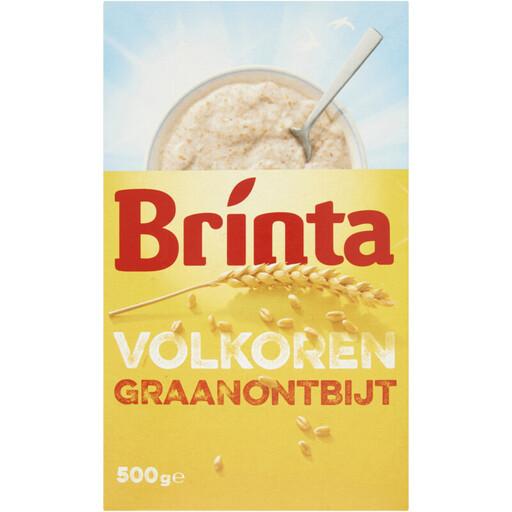 Image unavailable
An option to consider if you’d rather have a warm bowl of wheat for your weekend breakfast than crunchy cornflakes.
This is a 500 g pack. Check the packaging for the serving size you use and the allergen information.
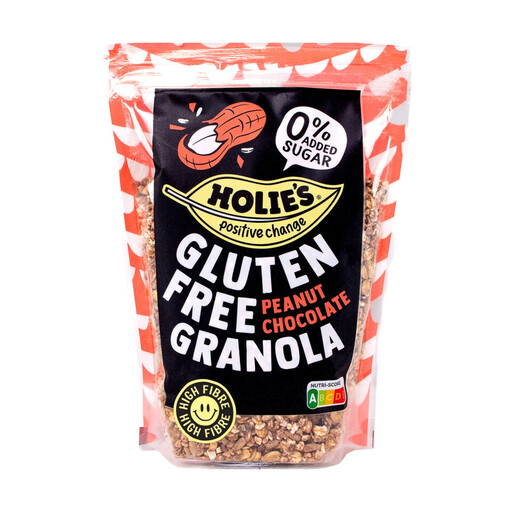 Image unavailable
For anyone considering crunchy granola with peanuts and chocolate instead of cornflakes; granola is a different type of product.
The pack contains 330 g. Check the current ingredients and allergen information, even if a description in the product name is important to you.
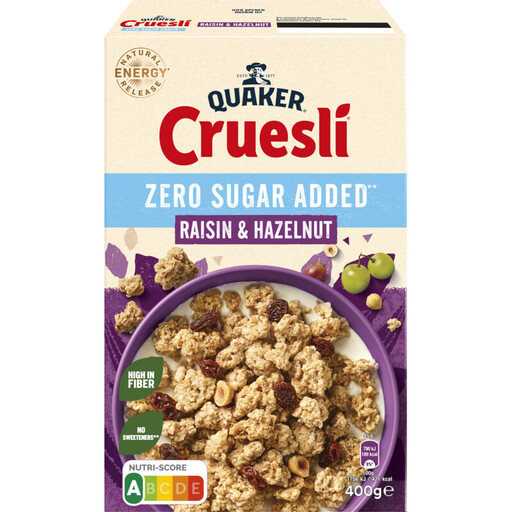 Image unavailable
A good fit if you’re after a crunchy cereal mix with raisins and hazelnuts, rather than regular cornflakes.
The pack contains 400 g. Compare fibre and sugars per 100 g, and read the allergen information for this variety.
 Image unavailable
An oat option if you’d rather make a warm bowl than eat cold, crunchy flakes.
The pack contains 600 g. Use the nutrition information per 100 g to compare products, then work out your own serving size.
 Image unavailable
For a warm breakfast with oats instead of a bowl of crunchy cornflakes.
The pack contains 450 g. Check the preparation instructions, serving size and allergen information for the variety you choose.
First compare similar breakfast cereals per 100 g for fibre, sugars and salt. Then check the serving size on the label and how much you actually eat. The Netherlands Nutrition Centre recommends using the nutrition information per 100 g to compare products.
No. Also check the nutrition table and ingredients list for the specific product. The Netherlands Food and Consumer Product Safety Authority describes ‘high fibre’ as a nutrition claim under European rules; the claim alone doesn’t tell you how much sugar or salt a variety contains.
Don’t assume this is suitable for the All-Bran Fibre Plus and Fruit'n Fibre varieties mentioned: the product information lists wheat and barley. Check the allergen information on the exact pack every time you buy.
You can choose regular cornflakes for their taste and texture, but assess the fibre content separately. Kellogg's Netherlands lists 3.0 g of fibre per 100 g for Corn Flakes. When comparing them with bran flakes, the figure per 100 g is a more useful starting point than the product name.
Check the current packaging too. Albert Heijn warns that product information can change, while Lidl says it doesn’t provide an online list of ingredients, allergens and nutritional values for food products.