
Breakfast eaters who prioritise fibre
You want to check how much fibre a breakfast cereal contains by looking at its nutritional information, rather than relying on the front of the pack.


Don’t automatically choose regular cornflakes if you want more fibre. Compare breakfast cereals per 100 g for fibre and carbohydrates, then calculate the carbohydrate content of your own portion. According to the Netherlands Nutrition Centre, a product must contain at least 6 g of fibre per 100 g, or 3 g per 100 kcal, to be labelled ‘high in fibre’. This label doesn’t tell you how many carbohydrates are in your bowl.
You want to check how much fibre a breakfast cereal contains by looking at its nutritional information, rather than relying on the front of the pack.
You compare the carbohydrates per 100 g, then calculate the amount for the portion you actually put in your bowl. Diabetes.nl explains that carbohydrates raise blood glucose levels.
You might be looking for unsweetened cornflakes, for example, but you don’t want to mistake ‘unsweetened’ for high in fibre or low in carbohydrates.
First compare similar breakfast cereals per 100 g. Then use the weight of your own portion to work out the carbohydrate content of your breakfast.
| What to look for | What to check when buying | Who it matters to |
|---|---|---|
| Fibre and wholegrains | Compare the fibre per 100 g and check which grain is listed in the ingredients. For a product to be labelled ‘high in fibre’, the Netherlands Nutrition Centre specifies at least 6 g per 100 g or 3 g per 100 kcal. | If I’m mainly looking for more fibre, I want to choose a product with a clearly stated fibre content on the label; around 39% of consumers say this is their main priority. |
| Carbohydrates and portion size | Compare carbohydrates per 100 g and calculate the amount based on the portion you actually eat. | When tracking carbohydrates, I want to know what’s in my bowl, not just what the pack lists per 100 g. This is the main priority for around 38% of consumers. |
| Sugar and ingredients | Check the ingredients list if you want to avoid added sugar or sweeteners. Also compare sugars and salt per 100 g. | When I’m looking for unsweetened cornflakes, I don’t want to assume they’re also high in fibre; around 23% of consumers prioritise this choice of ingredients. |
Cornflakes with no added sugar may still contain less fibre than you’re looking for. According to product information from Jumbo, Smaakt Organic Unsweetened Cornflakes contain 3.1 g of fibre and 85 g of carbohydrates per 100 g.
Check the fibre and carbohydrate figures separately in the nutritional information.
Sugars aren’t the same as total carbohydrates. Diabetes.nl explains that carbohydrates raise blood glucose levels.
Check the carbohydrates per 100 g, then calculate the amount for the portion of cereal you eat.
Jumbo lists 7.2 g of fibre and 1.15 g of salt per 100 g for Special Flakes; the ingredients list also includes maltitol.
As well as comparing fibre, check the salt content and read the ingredients list if you want to avoid sweeteners.
Jumbo sells regular Cornflakes and Special Flakes; their fibre content varies by product.
Smaakt Organic Unsweetened Cornflakes are an option if you’re looking for cornflakes with a short ingredients list.
According to Jumbo, Kellogg's Corn Flakes and All-Bran are listed in the breakfast cereal category, but they’re different product ranges.
These products are alternatives to consider if fibre is an important factor in your choice: wholewheat breakfast cereal, cruesli and porridge oats. They aren’t cornflakes; compare the nutritional information for each product and consider your own portion size.
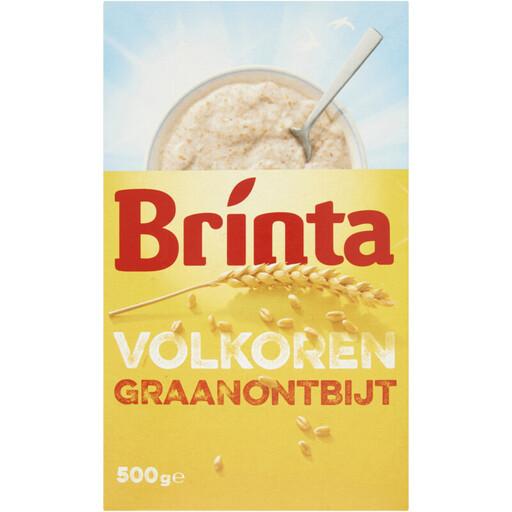 Image unavailable
An option to compare with cornflakes if you’re looking for a wholewheat breakfast cereal.
Check the fibre and carbohydrates per 100 g, then calculate the carbohydrates for your own portion.
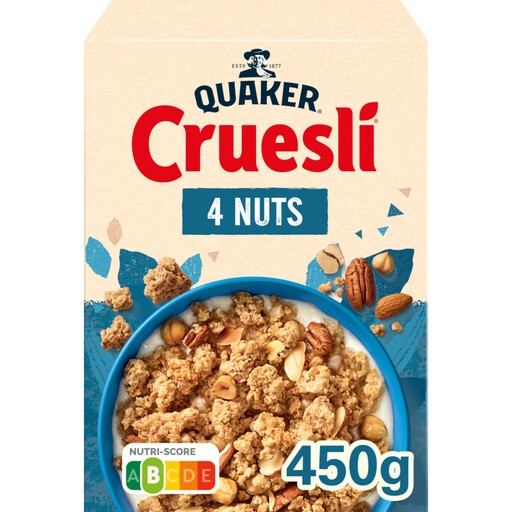 Image unavailable
A cruesli to consider if you’re looking for a breakfast cereal mix rather than cornflakes.
Also read the ingredients list if you want to avoid added sugar, and compare the nutritional values per 100 g.
 Image unavailable
A porridge oats option if you’re considering breakfast cereals beyond cornflakes.
Compare fibre and carbohydrates per 100 g, then use the weight of your own portion to calculate the amount per bowl.
Don’t assume they are. According to Jumbo, Jumbo Cornflakes contain 2.6 g of fibre per 100 g. The Netherlands Nutrition Centre says that a product must contain at least 6 g per 100 g, or 3 g per 100 kcal, to be labelled ‘high in fibre’. So compare the nutritional information for the specific variety.
No. The absence of added sugar doesn’t tell you how much carbohydrate or fibre a product contains. Jumbo lists 85 g of carbohydrates and 3.1 g of fibre per 100 g for Smaakt Organic Unsweetened Cornflakes. Also consider what that means for the amount in your portion.
First compare similar breakfast cereals per 100 g, as recommended by the Netherlands Nutrition Centre. Then calculate based on the weight of your own portion, so you can assess the amount of carbohydrates in each bowl.