For a high-fibre Easter brunch, compare the fibre content per 100 g rather than relying on the name ‘cornflakes’: ordinary cornflakes and high-fibre bran flakes serve different purposes. If you also need a gluten-free option, check the packaging for that claim and for allergen information. For other guests, consider the sugars and sweeteners, as well as how you plan to serve the flakes.
Who are these choices relevant to?
If you’re mainly looking for plenty of fibre
Compare dietary fibre per 100 g, even when both products are listed among the breakfast cereals. Albert Heijn lists 26 g of fibre per 100 g for Kellogg’s All-Bran Fibre Plus; according to Kellogg’s, ordinary Corn Flakes contain 3.0 g per 100 g.
If you need a gluten-free option
An explicit gluten-free claim is an essential first filter. Albert Heijn makes this claim for AH Gluten-Free High-Fibre Bran Flakes, which contain 12 g of fibre per 100 g. Check the other allergen information too if it’s relevant to one of your guests.
If you’re comparing sugars and ingredients
Jumbo lists 1.3 g of sugars and 7.2 g of fibre per 100 g for Special Flakes. The ingredients also include maltitol, wheat and barley, so a low sugar figure doesn’t tell you everything about the product’s composition or suitability for your guests.
What should you look for when choosing?
Start with what matters most to your guests: fibre content, gluten-free suitability or ingredients. Then decide whether you want to serve crunchy flakes or another type of breakfast cereal.
| What to consider |
What to check before buying |
Who it matters to |
| Fibre content |
Compare fibre per 100 g. Under EU Regulation 1924/2006, the claim ‘high in fibre’ requires at least 6 g per 100 g or 3 g per 100 kcal. |
I want the breakfast flakes themselves to be the high-fibre choice on the table. For around 36% of consumers, fibre content is the top priority when making this choice. |
| Gluten and allergens |
Look for an explicit gluten-free claim and read the latest ingredients and allergen information. |
If a guest needs to eat gluten-free, I’ll first choose something suitable for them. Gluten-free suitability is the main concern for around 29% of consumers. |
| Sugars and ingredients |
Check sugars per 100 g as well as the ingredients list, including any sweeteners and dried fruit. |
I want to know what makes a flake sweet before serving it. Sugars and ingredients are the priority for around 21% of consumers. |
| Serving |
Choose between crunchy flakes and a breakfast cereal for a warm bowl. Consider what you’d like to serve them with, such as fruit or a suitable base. |
For a brunch with a range of guests, I want to serve something that goes well with the rest of the table. Ease of serving is the main consideration for around 14% of consumers. |
Common mistakes
-
Assuming all cornflakes are high in fibre
The name and crunchy texture don’t tell you how much fibre a product contains. Kellogg’s lists 3.0 g of fibre per 100 g for ordinary Corn Flakes, while Albert Heijn lists 26 g per 100 g for Kellogg’s All-Bran Fibre Plus.
Compare the nutritional values per 100 g before choosing a high-fibre option.
-
Assuming corn means gluten-free
Cornflakes can contain other ingredients, such as barley malt extract. So if a guest needs to eat gluten-free, the name of the grain alone isn’t enough.
Choose a product with an explicit gluten-free claim, then check the label and allergen information again when you’re serving it.
-
Confusing low sugars with no sweeteners
Jumbo Special Flakes lists 1.3 g of sugars per 100 g, but also contains maltitol. The sugar figure doesn’t give you the full picture of the ingredients.
If you don’t want to serve a sweetener, check the ingredients rather than just the nutrition table.
Brands to consider
Kellogg’s
Among the Kellogg’s products mentioned, bran flakes and ordinary Corn Flakes differ significantly in fibre content.
- Albert Heijn lists 26 g of fibre per 100 g for All-Bran Fibre Plus.
- All-Bran Fibre Plus contains wheat and barley, so it isn’t a gluten-free option. Check the packaging for other allergens.
Albert Heijn
The own-brand products mentioned include both gluten-free bran flakes and organic cornflakes.
- AH Gluten-Free High-Fibre Bran Flakes lists 12 g of fibre per 100 g and carries a gluten-free claim.
- AH Organic Cornflakes lists 5 g of fibre per 100 g. Don’t compare these cornflakes for fibre as though they were the same product as bran flakes.
Jumbo
Jumbo Special Flakes is worth considering if both fibre and sugars are on your comparison list.
- Jumbo lists 7.2 g of fibre and 1.3 g of sugars per 100 g for Special Flakes.
- The flakes contain maltitol, wheat and barley, so they aren’t a gluten-free option.
A related breakfast cereal at Joybuy
If you’re also considering a warm bowl of cereal for your Easter brunch, this whole wheat product is worth a look. It isn’t crunchy cornflakes.
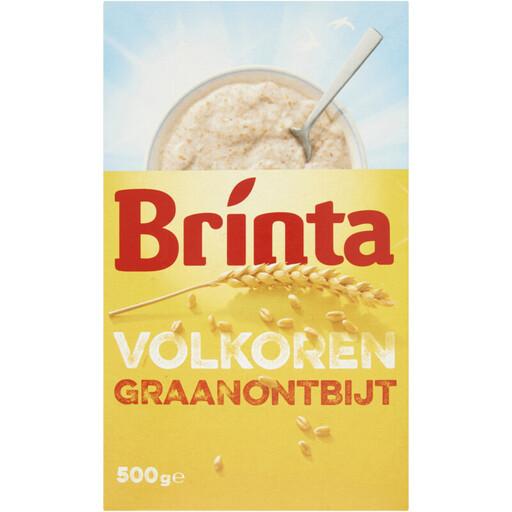 Image unavailable
Brinta Whole Wheat Cereal Breakfast 500 g
Worth considering if a warm bowl of cereal would suit your Easter brunch better than crunchy cornflakes.
Whole wheat breakfast cereal in a 500 g pack. It contains wheat and gluten; check the latest packaging if you have allergies.
View at Joybuy
Frequently asked questions
When can breakfast flakes be called ‘high in fibre’?
Under EU Regulation 1924/2006, this claim can be used when a product contains at least 6 g of fibre per 100 g or 3 g per 100 kcal. Check the nutrition information for the specific product: the word ‘cornflakes’ alone doesn’t tell you whether it meets this threshold.
Are cornflakes automatically gluten-free?
No. The presence of corn doesn’t automatically make a product gluten-free. Some cornflakes contain ingredients such as barley malt extract. If a guest needs to eat gluten-free, choose a product with an explicit gluten-free claim and check the latest label.
What can I serve alongside high-fibre flakes?
Fruit and a suitable yoghurt, milk or plant-based alternative give guests more ways to put together their bowl. The Netherlands Nutrition Centre points out that fibre can come from a variety of plant-based foods. When choosing what to serve, take into account the ingredients and allergens in everything you add.
What should I check on the packaging just before Easter brunch?
Check the ingredients, allergens, nutritional values, best-before date and any gluten-free claim on the actual pack you’re serving. The Netherlands Food and Consumer Product Safety Authority stresses the importance of clear allergen information on the labels of prepacked foods.


