
Families shopping for the whole week
Want to know whether one pack will be enough for several shared breakfasts, without buying more than the household will use.


Choose a pack that suits how much cornflakes your household eats in a week, rather than assuming a bigger box is always more convenient. A 500 g pack could be a shared staple; if family members prefer different cereals, choosing separate options may be more practical. When comparing similar products, check the nutritional information per 100 g and read the current ingredients and allergen information.
Want to know whether one pack will be enough for several shared breakfasts, without buying more than the household will use.
Check sugars, fibre and salt per 100 g when comparing similar cereals, and read the ingredients and allergen information.
Want to find a way to choose crunchy cornflakes, another grain-based breakfast or smaller portions for a bit of variety.
First, work out how many people eat the same cornflakes. Then check the pack size, nutritional information and any differences in breakfast preferences.
| What to consider | What to check when buying | Who does this matter to? |
|---|---|---|
| How much you need for the week | Check the pack size in grams and think about how many portions your household will actually get from it. | If several family members eat the same cornflakes, I want to have enough in the cupboard without being left with an open pack. For around 42% of consumers, having enough in stock is the top priority. |
| Ingredients and allergens | Compare similar products for sugars, fibre and salt per 100 g; read the current ingredients and allergen information. | When ingredients or allergens matter, I want to know what's in the pack before it reaches the table. Around 33% of consumers give checking the label the highest priority. |
| Shared tastes or variety | Check whether everyone wants the same cornflakes, or whether smaller portions or another type of grain-based breakfast would be a better fit. | Not everyone at home wants the same texture or flavour, so I don't want to rely on one big pack. Around 25% of consumers put variety first. |
Brinta Wholegrain cereal breakfast is made to be prepared and has a different texture from crunchy cornflakes. Ingredients and nutritional values can also vary between products.
First decide which type of breakfast your household wants, then compare the nutritional information per 100 g for similar products.
AH Cornflakes and Jumbo Cornflakes list barley or gluten-containing cereals, among other ingredients. The Netherlands Food and Consumer Product Safety Authority says allergens must be clearly indicated in the ingredients list.
When you buy, read the current ingredients list and any warnings on the pack, especially if an allergen is relevant to your household.
One shared box may not be the best fit if family members often want different cereals. Kellogg's describes Variety as a pack with different flavours in small portions.
Choose a large pack of a staple cereal if everyone wants the same cornflakes; otherwise, consider a separate option for variety.
Flakes no one eats can be left in an open pack.
Golden Bridge Cornflakes comes in a 500 g pack, which is worth considering if several family members eat the same cornflakes.
AH Cornflakes is a 500 g own-brand pack for households looking for standard cornflakes to share at breakfast.
Jumbo Cornflakes is a 500 g own-brand product for a shared breakfast of cornflakes.
Kellogg's offers Corn Flakes, Special K Original, which has a different recipe, and Variety, with small portions for a change.
Brinta Wholegrain cereal breakfast, 500 g, is an alternative for households looking for a prepared grain-based breakfast rather than crunchy cornflakes.
Lidl lists a 500 g cornflakes product that is available in store only.
These products show three breakfast options: a wholegrain cereal you prepare, standard cornflakes and frosted cornflakes. Compare their pack sizes and labels with how much your household uses in a week.
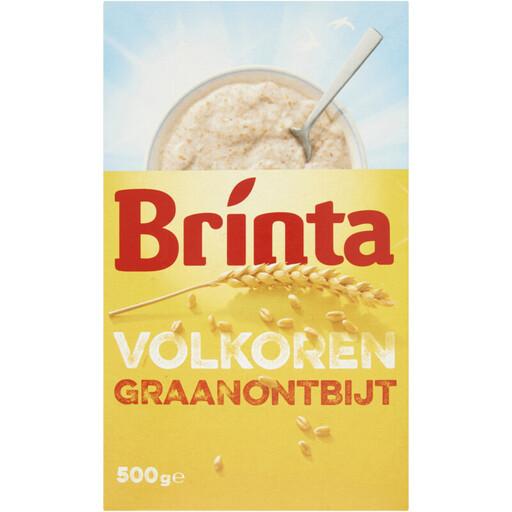 Image unavailable
An option for households looking for a prepared wholegrain cereal breakfast rather than crunchy cornflakes.
500 g pack; the product information lists wholegrain wheat and 10 g of fibre per 100 g. Contains wheat and gluten-containing cereals.
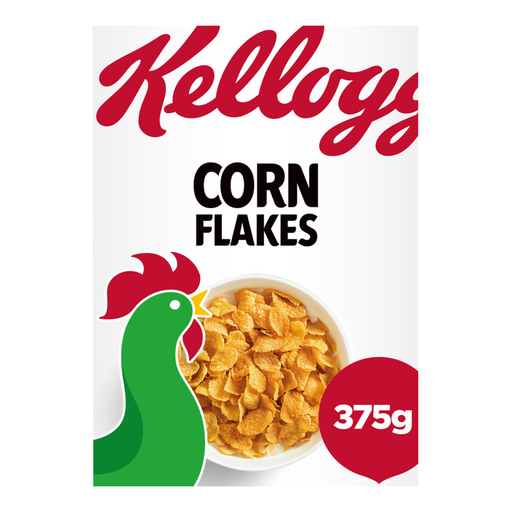 Image unavailable
Standard cornflakes for households who all eat the same maize flakes; check whether 375 g will be enough for the week.
Kellogg's lists barley malt extract in Corn Flakes. Check the current packaging if allergens are relevant.
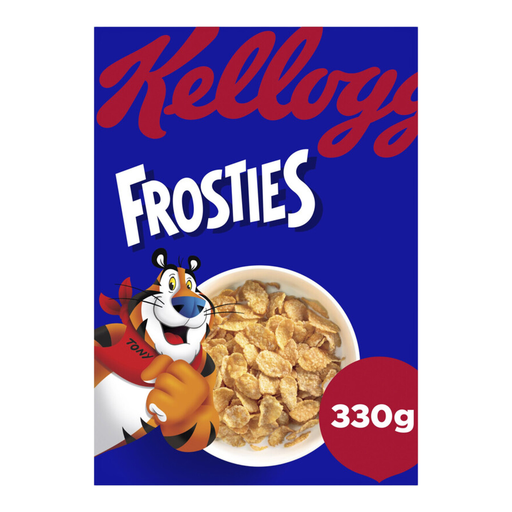 Image unavailable
A separate option for family members who want frosted maize flakes instead of the standard cornflakes in the shared staple pack.
330 g pack. Compare the nutritional information and read the current allergen information before choosing this alongside other breakfast cereals.
Compare similar breakfast cereals per 100 g, not just per serving. The Netherlands Nutrition Centre uses this basis to compare labels; also check the pack size to work out how much you’ll be bringing home for your household.
No, don’t rely on the product name alone. AH Cornflakes and Jumbo Cornflakes list barley or gluten-containing cereals; check the current ingredients and allergen information on the pack of the product you choose.
No, it depends on how many people eat the cornflakes and how often. ALDI, Albert Heijn, Jumbo and Lidl each list a 500 g pack of cornflakes; use that size as a starting point and adjust the amount to suit your household.
Follow the storage advice on the pack you choose and seal it properly after use. Albert Heijn advises storing AH Cornflakes in a cool, dark, dry place; Jumbo says to store its cornflakes in a cool, dry place.
No, Brinta Wholegrain cereal breakfast is made from wholegrain wheat and needs to be prepared; it isn’t a box of crunchy cornflakes. It could suit your household if you’re looking for a different type of grain-based breakfast.