What should you look for when buying?
First decide whether the buffet should include a familiar cornflake, a clearly labelled wholegrain option, or both. Then compare the ingredients, nutritional information and allergens for each product.
| What to consider |
What to check |
Who it matters to |
| Wholegrain cereals and fibre |
Look for wholegrain cereals and their proportion, if stated, in the ingredients; compare fibre per 100 g. |
If I put a wholegrain option on the buffet, I want to be able to explain that choice using the label. This is the top priority for around 36% of consumers buying for a hotel buffet. |
| Sugars, sweeteners and salt |
Compare sugars and salt per 100 g, and check the ingredients for added sugars or sweeteners. |
Hotels offering a range of breakfast flakes want to choose a nutritional profile that suits their buffet. Around 29% of these consumers give this the highest priority. |
| Allergens on the buffet |
Check the current allergen information for each product and make sure it remains available with the correct buffet container. |
When I refill an open buffet container, I want to be sure guests can get information about its contents. This is the most important buying consideration for around 21% of these consumers. |
| A familiar option |
Decide whether to offer a classic cornflake alongside a wholegrain wheat or bran flake; don’t treat them as the same product. |
Guests should be able to find a familiar breakfast option as well as a less familiar flake. Around 14% of these consumers make this range consideration their top priority. |
Brands to consider for buffet flakes
These examples show why you should compare the individual flake, not just the brand name: bran flakes, wheat and rice flakes, and cornflakes have different ingredients.
Albert Heijn
AH Bran flakes volkoren is an example of a wheat and bran flake with an explicit wholegrain claim.
- According to Albert Heijn’s product information, this variety contains 74% wholegrain wheat, 13% wheat bran and 15 g of fibre per 100 g.
- Albert Heijn also lists 13 g of sugars per 100 g, of which 12 g are added sugars, and ingredients containing wheat and barley. Check the current packaging before preparing buffet information.
Jumbo
Jumbo Special Flakes combines wholegrain wheat with rice, making it a different type of flake from classic cornflakes.
- Jumbo’s product information lists 53% wholegrain wheat, 7,2 g of fibre and 1,3 g of sugars per 100 g.
- The ingredients also include 35% rice, maltitol, wheat and barley; according to Jumbo, the salt content is 1,15 g per 100 g. Assess these points separately from the wholegrain claim.
Kellogg's
Kellogg's Corn Flakes is an example of a classic cornflake and a familiar choice for the buffet.
- According to Kellogg's Dutch product information, this variety contains maize, with vitamins and iron added.
- The ingredients also include barley malt extract; Kellogg's lists 3,0 g of fibre per 100 g. Don’t present this variety as a wholegrain option unless the packaging supports that claim.
Cruesli as an additional buffet option
These Joybuy products are cruesli, for a buffet looking to offer a different type of breakfast cereal alongside cornflakes. Treat them as a separate buffet option, not as classic cornflakes; always check the current packaging for ingredients, nutritional information and allergens before serving.
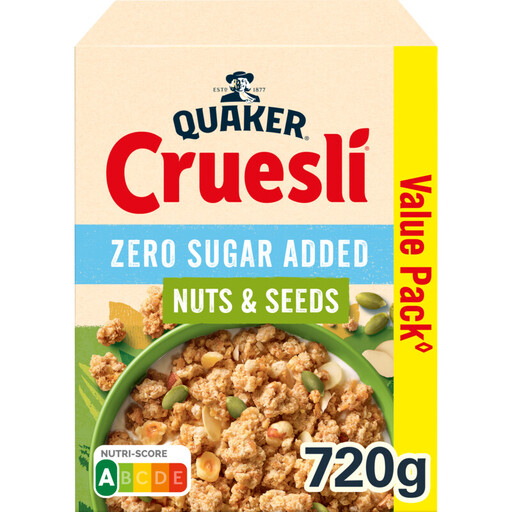 Image unavailable
Quaker Zs Cruesli Nuts & Seeds 720 g
A cruesli with nuts and seeds to consider as an alternative to cornflakes. Before adding it to the buffet, check the current packaging for ingredients, nutritional information and allergens.
View at Joybuy
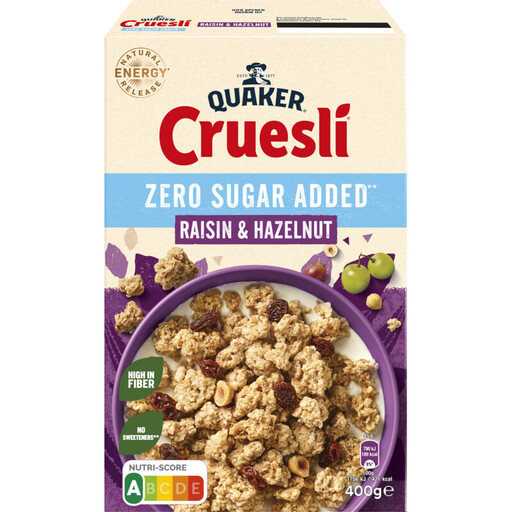 Image unavailable
Quaker Zs Cruesli Raisin & Hazelnut 400 g
A cruesli with raisins and hazelnuts for a buffet offering more than one type of breakfast cereal. Make sure the information for guests matches the ingredients and allergens on the current packaging.
View at Joybuy
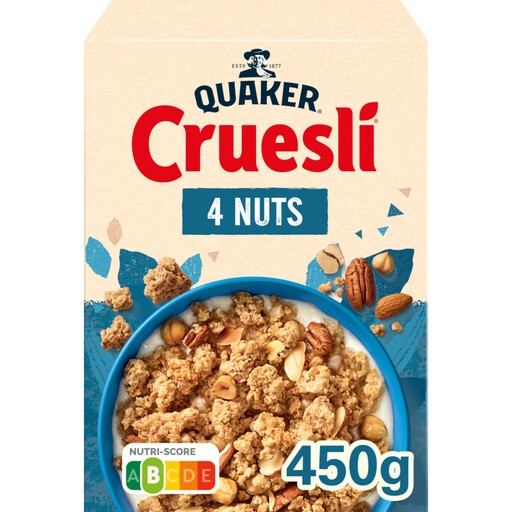 Image unavailable
Quaker Cruesli 4 Nuts 450 g
A nutty cruesli to consider as an additional option alongside cornflakes. Check the current packaging to see which ingredients and allergens you need to list with the buffet container.
View at Joybuy
Frequently asked questions
Are ordinary cornflakes automatically wholegrain?
No, the name cornflakes doesn’t confirm that wholegrain cereals have been used. Check the ingredients and look for an explicit wholegrain claim. Kellogg's product information lists maize for classic Corn Flakes; Albert Heijn and Jumbo both list wholegrain wheat in the alternatives discussed here.
What allergen information should be provided for breakfast flakes on a hotel buffet?
Guests must be able to find out which allergens are present in the breakfast flakes on offer. The Netherlands Food and Consumer Product Safety Authority reminds food businesses of their duty to provide this information. For unpackaged buffet products, make the information accessible before consumption and, if explaining it verbally, make it clear that guests can ask you.
Does a wholegrain claim also tell you how much sugar a product contains?
No. Compare the nutritional information per 100 g instead. Albert Heijn lists 13 g of sugars per 100 g for AH Bran flakes volkoren, of which 12 g are added sugars. Jumbo lists 1,3 g of sugars per 100 g for Special Flakes, but also includes the sweetener maltitol in the ingredients.
How should you store and replenish breakfast flakes for a buffet?
Follow the storage instructions on the packaging for the product you choose. Albert Heijn recommends storing AH Bran flakes volkoren in a cool, dark, dry place and keeping the pack tightly closed; Kellogg's recommends storing Corn Flakes in a dry place. When refilling, check that the product name and allergen information still match the contents of the buffet container.


