
Breakfast fans who keep an eye on fibre
You want a quick breakfast and look beyond the fibre claim on the front of the box. The nutritional information per 100 g helps you see how much fibre your chosen cereal contains.


Choose plain cornflakes if you’re looking for those crunchy flakes; consider bran flakes or wholegrain cereals if fibre is your priority. When comparing similar cereals, check the fibre and sugar content per 100 g, as a fibre claim doesn’t tell you how much sugar a product contains. If you have an allergy or need to avoid gluten, check the ingredients and allergen information on the pack you’re buying.
You want a quick breakfast and look beyond the fibre claim on the front of the box. The nutritional information per 100 g helps you see how much fibre your chosen cereal contains.
You’re looking for a cereal that suits your taste, but also want to weigh up the sugar content alongside the fibre. Compare similar products per 100 g to do this.
You need to know which grains and allergens are in the exact variety you’ve chosen. Check the current packaging; a fibre claim won’t tell you this.
Plain cornflakes, bran flakes, granola and porridge oats are different types of breakfast cereal. Decide which type you want, then compare the nutritional information for products you’re considering as alternatives.
| What to consider | What should you check? | Who is this important to? |
|---|---|---|
| Fibre | Compare fibre per 100 g. Also check the serving size given by the manufacturer. | I want fibre to be the main reason for my choice, not just a prominent claim on the box; fibre is a priority for around 42% of consumers. |
| Sugars and ingredients | Check the sugar content alongside fibre per 100 g, and read the ingredients list. | I want to choose a sweet breakfast without losing sight of the sugar content; this balance is the deciding factor for around 33% of consumers. |
| Availability | Check whether your preferred variety is available at your usual shop, and read the packaging again when you next buy it. | If I want to eat the same breakfast regularly, I need to be able to find my chosen variety again; availability is the main priority for around 25% of consumers. |
Under the European regulation on nutrition claims, ‘high in fibre’ can be used when a product contains at least 6 g of fibre per 100 g or 3 g per 100 kcal. On its own, this requirement says nothing about the sugar content or allergens.
Use the claim as a starting point, then compare the nutritional information per 100 g and the ingredients.
Serving sizes can vary between packs. This means the figures per serving don’t show directly how two cereals compare.
Compare per 100 g first, as the Netherlands Nutrition Centre advises. Then use the serving figures to assess your own portion.
A product containing wheat bran may not be suitable if you need to avoid certain grains. For example, Jumbo lists wheat and barley in Kellogg's All-Bran Fibre Plus.
Check the ingredients and allergen information on the current packaging for the variety you’re buying.
Kellogg's makes both classic Corn Flakes and products in its All-Bran range. Compare individual varieties rather than treating the brand as one type of cereal.
Albert Heijn’s range includes plain AH Cornflakes alongside bran flakes and All-Bran products.
Jumbo’s breakfast cereal range includes plain cornflakes and bran products.
Under the Golden Bridge brand, ALDI lists products including cornflakes and wholegrain muesli. Muesli is a different type of product from cornflakes.
Lidl lists a 500 g pack of cornflakes as a supermarket product.
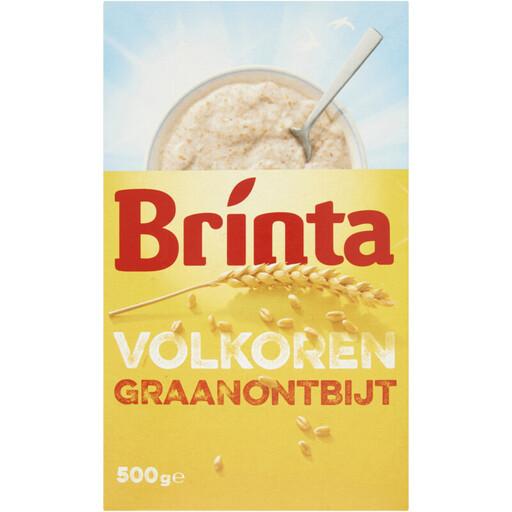
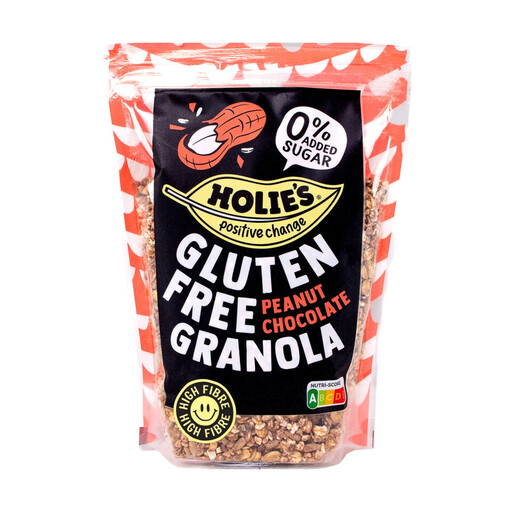
These Joybuy products include wheat cereal, granola and porridge oats for anyone considering a different type of breakfast cereal alongside cornflakes. They’re no substitute for comparing fibre, sugar and allergens on the packaging.
 No image available
For anyone looking to try wheat cereal as an alternative to cornflakes. If you have a wheat allergy, check the current packaging.
 No image available
For anyone considering peanut chocolate granola instead of cornflakes. Don’t assume it’s suitable if you have an allergy or need to avoid gluten based on the product name; check the current allergen information.
 No image available
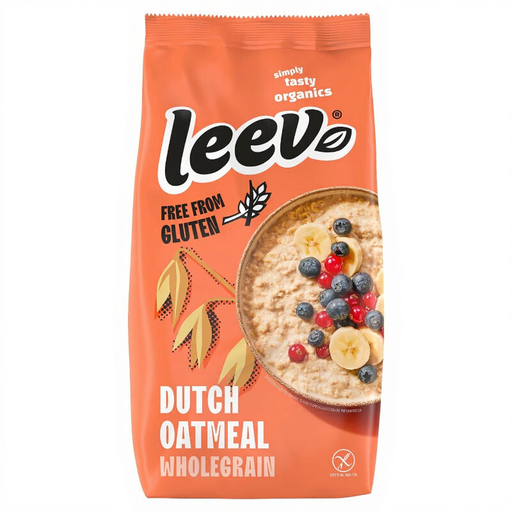
For anyone who’d rather choose porridge oats than cornflakes. Porridge oats are a different type of product, so check the nutritional information and preparation instructions on the pack.
 No image available
For anyone considering porridge oats as an alternative to cornflakes. Don’t assume this variety is suitable for a gluten-free diet without checking the gluten and allergen information on the current packaging.
 No image available
For anyone who wants to compare an oat-based breakfast with cornflakes. If you have an allergy or need to avoid gluten, check the current ingredients and allergen information for this variety.
Under the European regulation on nutrition claims, ‘high in fibre’ can be used when a product contains at least 6 g of fibre per 100 g or at least 3 g of fibre per 100 kcal. Also compare sugars and ingredients: the claim doesn’t assess these.
For both products, compare fibre and sugar per 100 g, and check which grains are listed in the ingredients. Also bear in mind that they’re different types of product, and only use the figures per serving after checking the stated serving size.
Don’t assume they are based on their fibre content. Jumbo lists wheat and barley in Kellogg's All-Bran Fibre Plus; check the current ingredients and allergen information on the pack for every variety you choose.
Nutritional information online can help you compare products, but also check the packaging of the product you actually buy. Albert Heijn notes that ingredients, nutritional values and allergy information can change.