What should you look for when choosing?
First decide whether you want to keep eating cornflakes or choose a different breakfast product. Then compare the carbohydrates in your portion and the other values on the label, and only then consider the pack size.
Regular cornflakes
When: A larger box suits how often you eat cornflakes, and you can fit the portion into your own plan.
Consider: The regular 500 g varieties reviewed list 2.6 g of fibre per 100 g; check the carbohydrates in the specific variety you choose.
Cornflakes with no added sugar
When: You mainly want to choose cornflakes based on added sugar.
Consider: The packs reviewed are 300 g; according to Albert Heijn, AH Organic Cornflakes still lists 80 g of carbohydrates per 100 g.
A different wholegrain breakfast product
When: You’re open to porridge oats or muesli instead of sticking with cornflakes.
Consider: This means choosing a different product category, so you’ll need to reassess the portion and nutritional values. Diabetes.nl lists porridge oats and muesli as alternatives to low-fibre breakfast cereals.
| What to consider |
What to check when buying |
Who it matters to |
| Carbohydrates per portion |
Compare carbohydrates per 100 g and work out how much that means for the amount you eat. Factor in any toppings when assessing your breakfast. |
If I plan my breakfast around my own carbohydrate intake, I want to know what my actual portion adds. Around 40% of consumers put this first. |
| Sugar, fibre and salt |
Check the ingredients and compare sugar, fibre and salt per 100 g. Distinguish between added sugars and the total carbohydrate content. |
Anyone looking for cornflakes with no added sugar will also want to consider the other values on the label. Around 30% of consumers prioritise this comparison. |
| Pack size and usage |
Compare the net weight and use-by date, and think about how quickly you’ll get through the box. |
I want to keep cornflakes in stock without buying a bigger box than my household can use. For around 30% of consumers, this is the main consideration. |
Wholegrain alternatives on Joybuy
These products are alternatives for anyone who wants to consider a different breakfast product in a larger pack, as well as cornflakes. Porridge oats, cruesli and a wheat breakfast cereal are different product categories, so compare the ingredients and carbohydrates in your own portion for each one.
 Image unavailable
Quaker porridge oats 600 g
An alternative if you want to swap cornflakes for porridge oats and are looking for a 600 g pack. Compare the carbohydrates in the amount you prepare and check any toppings you add.
View on Joybuy
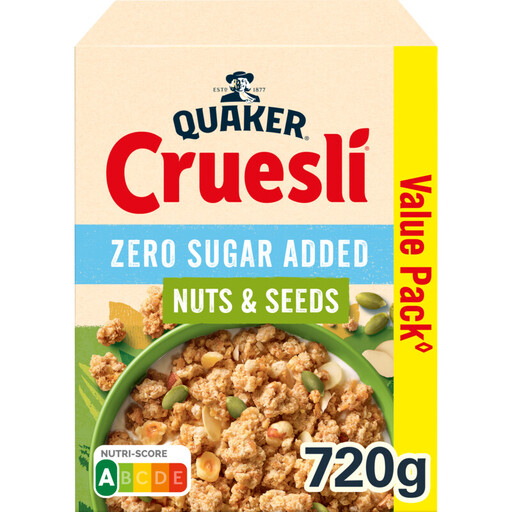 Image unavailable
Quaker Zs Cruesli Nuts & Seeds 720 g
A nut and seed cruesli for anyone considering a different category from cornflakes; the pack contains 720 g. Check the nutritional values per 100 g and per portion, as well as the allergen information.
View on Joybuy
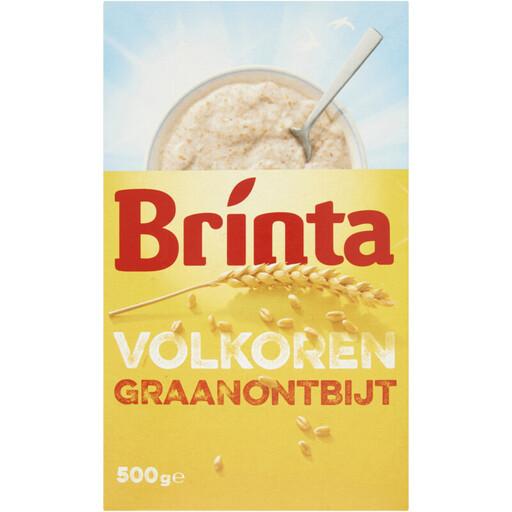 Image unavailable
Brinta wholegrain wheat breakfast cereal 500 g
A wheat breakfast cereal in a 500 g pack if you want to prepare something other than cornflakes. Check the latest nutritional information for your portion, and check the ingredients if wheat or gluten is relevant to you.
View on Joybuy
Frequently asked questions
Are cornflakes with no added sugar automatically suitable if you have diabetes?
No. According to Albert Heijn, AH Organic Cornflakes contains 80 g of carbohydrates per 100 g, despite having 0 g of added sugars. So assess the carbohydrates in your own portion and check the fibre content too.
How do I work out my portion of cornflakes?
There isn’t one fixed portion size that works for everyone with diabetes. Compare the carbohydrates per 100 g with the amount you actually eat; according to diabetes.nl, there is no one carbohydrate intake that is best for everyone with diabetes. If you take glucose-lowering medication, discuss changes to your eating habits with your healthcare professional.
What should I look at if I still want to eat cornflakes?
Consider your whole breakfast, not just the sugar content of the cornflakes. Compare carbohydrates, fibre and salt on the label, and factor in milk, yoghurt, fruit or other toppings when assessing your portion.
Should I check the label if the online information is different?
Yes, check the pack of the variety you’re buying. The Netherlands Food and Consumer Product Safety Authority points out that information about the contents of prepacked foods must be clearly readable on the label. Check the ingredients, allergens and nutritional information that matter to your choice.


