
Vandaag of morgen in huis

Kwaliteit gegarandeerd

Welkomstaanbiedingen ontgrendelen: GRATIS bezorging | Tot 80% korting | Gratis 30 dagen JoyPlus-proefperiode
Download de app
Ready to buy corn flour, but feeling overwhelmed by the options? You're not alone. The shelves are filled with terms like cornstarch, polenta, and white and yellow corn meal. It seems every recipe, from Latin American arepas to Italian polenta or a simple sauce, requires a different type. The wrong choice can completely alter your dish.
As a Joybuy Product Recommendation Officer, I'm here to guide you. In this guide, I'll explain the differences and provide specific recommendations based on product features, so you'll know exactly which corn flour you need for your next culinary adventure.
Before you add a bag of flour to your cart, it's helpful to consider a few key points. These tips will help you choose the right type for your specific needs.
The texture of the corn flour is crucial. There's a significant difference between the various types:
The colour of the flour depends on the type of corn kernel used and affects the flavour and appearance of your dish.
Corn is naturally gluten-free. That's why gluten-free corn flour is a popular choice for people with a gluten intolerance. However, always check the packaging carefully. Sometimes, corn is processed in facilities that also handle wheat or other gluten-containing grains. If there is a risk of cross-contamination, it must be stated on the label. An official gluten-free logo provides the most certainty.
Based on application and product features, we've compiled a list of popular choices for you.
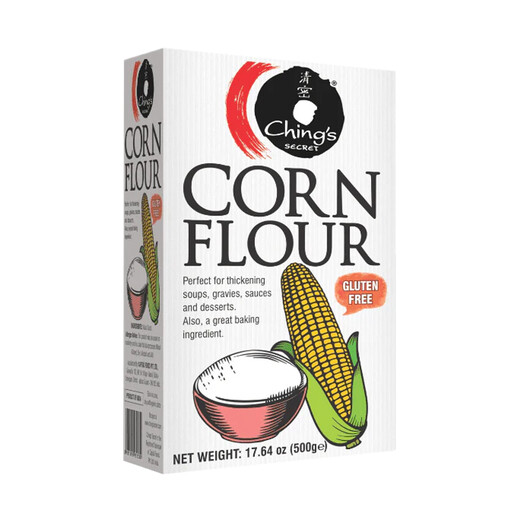
Why it stands out: This product is what is commonly known as cornstarch. Its extremely fine grind ensures it dissolves easily and without lumps in liquids, which is essential for a smooth sauce or soup.
Key Features:
Who is it for? For the home cook looking for a reliable thickening agent for soups and sauces, or who wants to add an extra crispy layer to fried dishes.
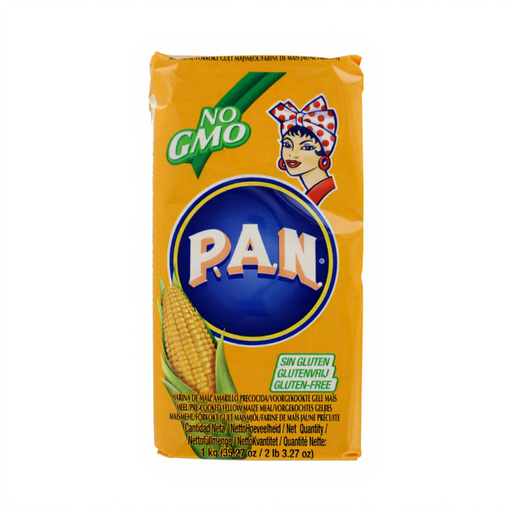
Why it stands out: This is the flour for making arepas. It is pre-cooked yellow corn meal, which means you only need to add water to get a workable dough instantly. P.A.N. is the most widely used brand for this purpose worldwide.
Key Features:
Who is it for? For anyone who wants to experience the authentic taste of Venezuelan or Colombian arepas at home. A must-have for lovers of Latin American cuisine.
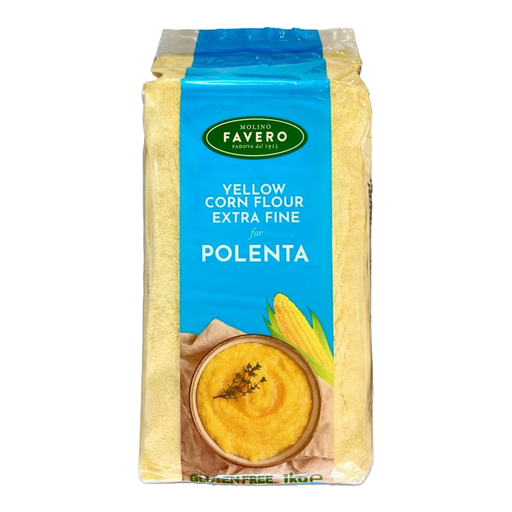
Why it stands out: This extra-fine corn flour is specifically intended for making a soft, creamy polenta. The fine grind ensures a smoother end result than coarser polenta meal.
Key Features:
Who is it for? For the enthusiast of Italian cuisine looking for the right flour for a traditional, soft polenta. Note: the packaging states that it may contain traces of gluten.
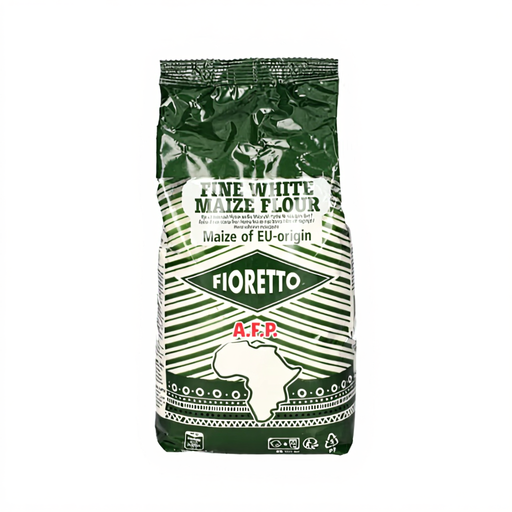
Why it stands out: This finely ground white corn meal is a staple ingredient in many African and Caribbean cuisines. Its neutral flavour and soft texture make it perfect for preparing dough-like side dishes.
Key Features:
Who is it for? For cooks who want to make authentic African or Caribbean dishes, or are looking for a versatile and neutral-tasting gluten-free flour.
The world of corn flour is vast and diverse. If the specific type for your recipe isn't listed here, or if you just want to browse other options, we've got you covered.
-> Explore our full range of corn flour here
Cornstarch is pure starch extracted from the corn kernel. It is a white, flavourless powder used mainly to thicken liquids. Corn flour is made from the whole (or part of the) ground corn kernel. It has more flavour, colour, and nutrients and is used as a base for dough and batter, such as for polenta, arepas, or cornbread.
Corn is a naturally gluten-free grain, so in principle, corn flour is gluten-free. However, it is important to check the label. If the flour has been processed in an environment where gluten-containing grains like wheat are also handled, cross-contamination can occur. Products with an official gluten-free certification offer the most certainty.
Yes, you can in many recipes, but the result will be different. Yellow corn flour imparts a yellowish colour and a slightly sweeter, more pronounced corn flavour. White corn flour is more neutral in taste and colour. For an authentic dish, it's best to use the recommended type, but for experimentation, they are perfectly interchangeable.
