
Vandaag of morgen in huis

Kwaliteit gegarandeerd

Welkomstaanbiedingen ontgrendelen: GRATIS bezorging | Tot 80% korting | Gratis 30 dagen JoyPlus-proefperiode
Download de app
Ever find yourself staring at the flour aisle in the supermarket or online, wondering about the difference between cornmeal, corn flour, and polenta? You're not alone. The options can be overwhelming, especially if you have a specific dish in mind like Venezuelan arepas, Italian polenta, or African ugali. The wrong type of flour can completely alter your recipe.
As a Joybuy Product Recommendation Officer, I'm here to guide you. In this article, we'll explain the differences and provide practical tips, so you'll know exactly which corn flour to buy for your next culinary adventure.
Before we get to the product recommendations, here are a few key factors to consider that will help you make the right choice.
The colour and texture of the flour have a major impact on the final result.
For certain dishes, especially South American arepas, pre-cooked corn flour (harina de maíz precocida) is essential. This flour has been treated with a cooking process and then dried and ground. This allows it to absorb water instantly and form a smooth dough without the need for long cooking times. Brands like P.A.N. specialise in this. If you use regular cornmeal, your dough won't bind, and your arepas will fall apart. This type of flour is therefore also known as arepa flour.
Corn is naturally gluten-free. This makes gluten-free corn flour an excellent alternative to wheat flour for people with gluten intolerance or celiac disease. However, always check the packaging. Sometimes corn is processed in facilities that also handle gluten-containing grains. If it must be strictly gluten-free, choose a product with an official gluten-free certification or a clear statement on the packaging.
Based on product specifications and their culinary applications, we have compiled a list of popular choices for you.
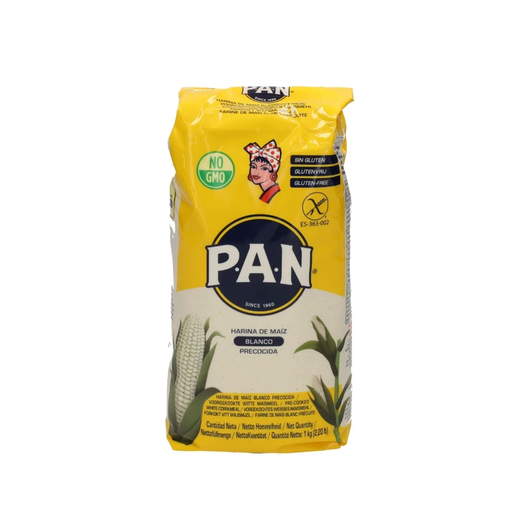
Why it stands out: This is the iconic P.A.N. corn flour, the gold standard for making authentic Venezuelan and Colombian arepas. It is a pre-cooked white corn flour, which creates a soft and easy-to-knead dough that is ready for immediate use.
Pros:
Who is it for? For anyone who wants to make authentic Latin American dishes at home. If you're looking for the right arepa flour, this is the most obvious choice.
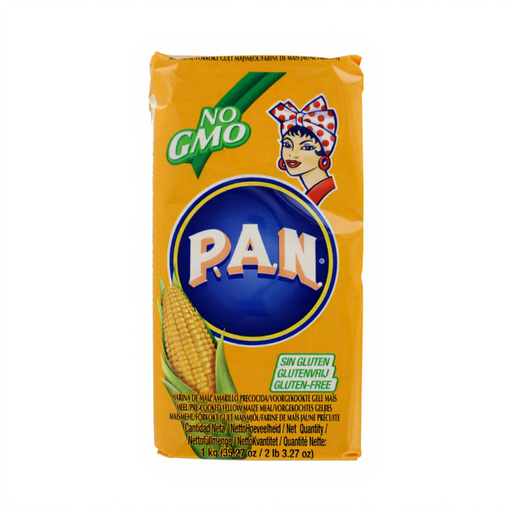
Why it stands out: This is the yellow version of the famous P.A.N. flour. Made from yellow corn flour, it gives a beautiful golden colour and a slightly richer, sweeter flavour to your dishes. Just like the white version, it is pre-cooked.
Pros:
Who is it for? For the home cook who prefers the taste and colour of yellow corn, or who likes to put a new spin on classic recipes.
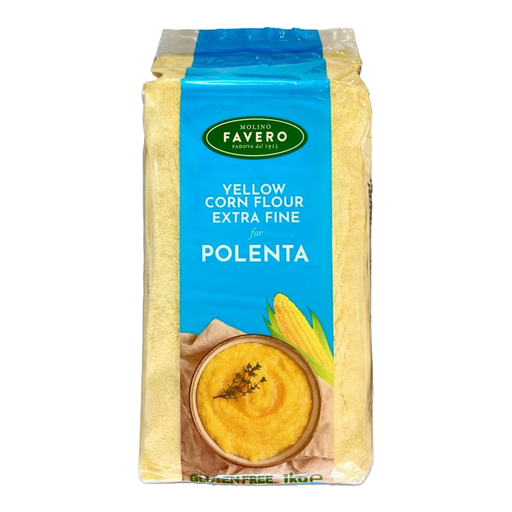
Why it stands out: According to the product description, this extra-fine corn flour is specifically intended for making polenta. The fine grind ensures a creamy, smooth polenta, unlike coarser varieties that give a more rustic texture.
Pros:
Who is it for? Perfect for lovers of Italian cuisine who want to serve a soft, creamy polenta as a side dish. Note: the packaging states that the product may contain traces of gluten-containing cereals, so it is less suitable for a strict gluten-free diet.
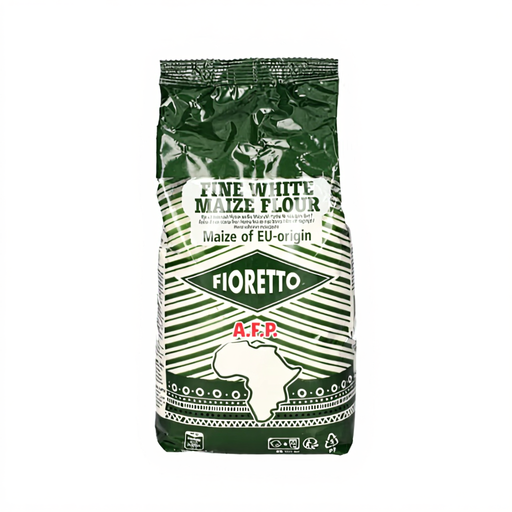
Why it stands out: This finely ground white maize flour is a versatile product widely used in African and Caribbean cuisine. It is ideal for preparing staple dishes like ugali, fufu, or papa. Its soft texture also makes it suitable for pancakes or as a thickening agent.
Pros:
Who is it for? For home cooks who want to explore African or Caribbean cuisine, or are looking for a multifunctional, gluten-free white maize flour for various applications.
If the perfect flour for your recipe isn't here, or if you're curious about other sizes and brands, there's a wide world of flours to discover to complete your pantry.
-> See our full range of 1kg flour and meal here
1. What is the difference between cornmeal and corn flour? Although the terms are often used interchangeably, corn flour generally refers to a very finely ground powder, similar in texture to wheat flour. Cornmeal is typically slightly coarser in texture. In practice, the name depends on the manufacturer and the country of origin. Therefore, pay close attention to the description (fine, coarse, pre-cooked) to determine if the product is suitable for your recipe.
2. Is P.A.N. corn flour the same as polenta? No, these are two different products for different dishes. P.A.N. corn flour is pre-cooked and intended for making dough for arepas. Polenta is (usually) non-pre-cooked cornmeal (often more coarsely ground) that is slowly cooked in water or broth to form a type of porridge.
3. Can I use corn flour for fufu or ugali? Yes, absolutely. For dishes like fufu and ugali, a fine white corn flour is traditionally used. A product like A.F.P. Fioretto White Maize Flour is very suitable for this. The flour is mixed with hot water and stirred until a firm, edible dough is formed, which is served as a side dish.
