
Vandaag of morgen in huis

Kwaliteit gegarandeerd

Welkomstaanbiedingen ontgrendelen: GRATIS bezorging | Tot 80% korting | Gratis 30 dagen JoyPlus-proefperiode
Download de app
Do your hands and feet slip the moment you start to sweat during your yoga practice? It's a common problem that can disrupt your focus. Many yogis are also searching for a more sustainable and hygienic alternative to the standard PVC mat. A cork yoga mat can offer a practical solution to these challenges. In this article, we'll explain what to look for when buying one and highlight some popular choices based on their specifications.
A good mat is an investment in your practice. Consider the following points to find a model that suits you.
Most cork yoga mats are not made entirely of cork. The top layer is cork for grip and a natural feel, while the bottom layer is often made of TPE (Thermoplastic Elastomer). This TPE yoga mat base offers two advantages: it provides the necessary cushioning and prevents the mat from slipping on the floor. This combination makes it an eco-friendly yoga mat compared to traditional PVC mats, as both cork and TPE are recyclable.
One of cork's most valued properties is that its grip increases as the material becomes more moist. This makes a non-slip yoga mat made of cork particularly suitable as a hot yoga mat or for other intense workouts where you perspire heavily. The natural texture of cork already provides a stable surface, contributing to a safe and focused practice.
The thickness of a yoga mat, typically between 4 and 6 mm, determines its comfort and stability. A thicker mat offers more cushioning for your joints, which is pleasant for exercises on your knees or back. A thinner mat, on the other hand, provides more contact with the ground, which can improve balance. For those seeking a professional fitness mat for daily or intensive use, a model with a reinforced construction, such as an embedded mesh layer, is worth considering for extra tear resistance.
Below is a selection of cork yoga mats, chosen based on their material specifications and functionality.
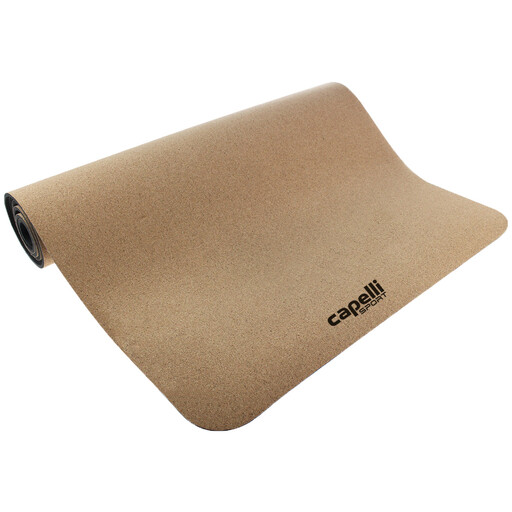
Why it stands out: This model combines a natural cork top layer with a 5 mm thick TPE base. This thickness provides noticeable cushioning, which is comfortable for the joints during longer sessions.
Pros:
Who is it for? For yogis and fitness practitioners of all levels looking for a mat with extra cushioning and reliable grip, especially during sweaty sessions.
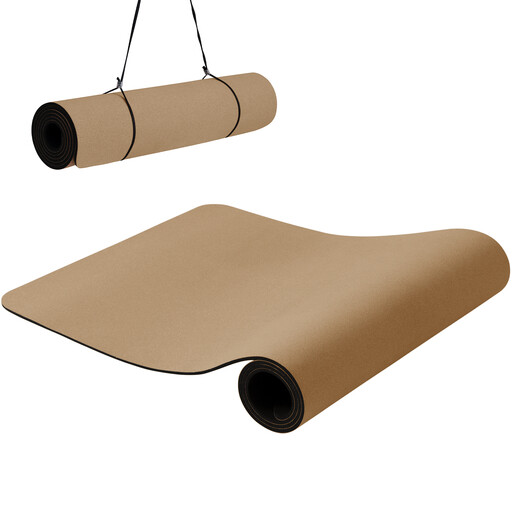
Why it stands out: This mat is distinguished by its multi-layer construction. A polyester mesh layer is integrated between the cork top layer and the TPE base. This is designed to increase tear resistance and durability.
Pros:
Who is it for? For the serious practitioner seeking a robust and durable mat for a regular and intensive practice. The extra thickness also makes it suitable for Pilates or other floor exercises.
A cork yoga mat is an excellent choice for grip and durability within your yoga or fitness routine. For other specific applications, from workstations to specialised hobbies, a variety of functional mats are available.
Discover our range of dissipative mats and more
Maintenance is simple. After your practice, wipe the mat with a damp cloth. For a more thorough cleaning, you can use a mild soap solution or a mixture of water and a little vinegar. Always let the mat air-dry completely before rolling it up. Avoid harsh chemicals and do not leave the mat in direct sunlight for extended periods.
Yes, a cork yoga mat is definitely suitable for beginners. The stable grip helps in learning poses correctly and builds confidence. Furthermore, its natural and warm appearance can be motivating to maintain your practice.
Cork has several unique advantages. It is a natural, renewable material, making it an eco-friendly choice. Additionally, it has natural antimicrobial properties, which helps keep the mat more hygienic. The most significant functional benefit is its increased grip with moisture, a condition where rubber or PVC mats can sometimes become more slippery.
