
Vandaag of morgen in huis

Kwaliteit gegarandeerd

Welkomstaanbiedingen ontgrendelen: GRATIS bezorging | Tot 80% korting | Gratis 30 dagen JoyPlus-proefperiode
Download de app
A cordless vacuum cleaner makes cleaning more flexible: there’s no cable to catch on furniture and no need for a socket on every floor. However, a cordless vacuum isn’t automatically right for every home. A model that works well on parquet flooring may be less practical on deep-pile carpet, while a vacuum with a mopping function needs extra maintenance.
Pay particular attention to these three common buying pitfalls:
Suction figures without context
A high kPa or AW figure doesn’t tell you everything. The brush, airflow, filter and floor surface all affect how well dirt is picked up. So check which floor types the appliance is designed for, too.
Battery life measured on the lowest setting
A manufacturer may quote a long runtime in Eco mode, for example. On carpet or when dealing with pet hair, you’ll often use a higher setting, which means the actual runtime will be shorter. Check the runtime on different settings and the charging time.
A mopping function that isn’t suitable for every surface
A wet-and-dry vacuum or robot vacuum with a mopping function is usually designed for suitable, sealed hard floors. Don’t use one on untreated wood, carpet or large amounts of water unless it’s specifically intended for that purpose. Read the product instructions before buying.
For a vacuum cleaner for hard floors, a soft roller brush or a floor head that picks up fine particles is important. On carpet, a motorised brush with enough rotation power is more practical. If you have pets, look for an anti-tangle or V-shaped brush, as this helps prevent hair from wrapping around the roller.
A stick vacuum with several accessories is a good choice if you also want to clean furniture, stairs, crevices and your car. Check that the accessories are actually included, as this varies by model.
A vacuum cleaner with long battery life is especially useful in larger homes. Check:
A quoted runtime is a product specification, not a guarantee for every cleaning situation. Carpet, pet hair and Turbo mode typically use more power.
A vacuum cleaner with a HEPA filter may be a suitable choice if you want to trap fine dust particles more effectively. Check whether the filter is washable, how long it needs to dry and whether replacement filters are available. Putting a wet filter back in could damage the appliance.
Also check the dust bin capacity. A small bin is lightweight and compact, but needs emptying more often. A self-cleaning vacuum automatically rinses or cleans certain parts, but you’ll still need to check the roller, dirty water tank and filters by hand.
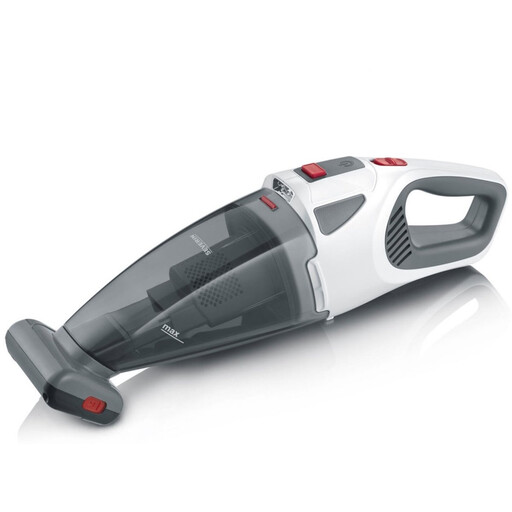
Why it suits this profile: This compact model is easy to handle and combines vacuuming with a wet-and-dry function for small cleaning jobs at home or in the car.
The quoted runtime is up to 30 minutes, and the product information clearly specifies a rotating turbo brush and a wet-and-dry function.
18.5 V Li-ion battery, 4-in-1 accessories and suitable for dust and limited liquid pick-up, according to the instructions.
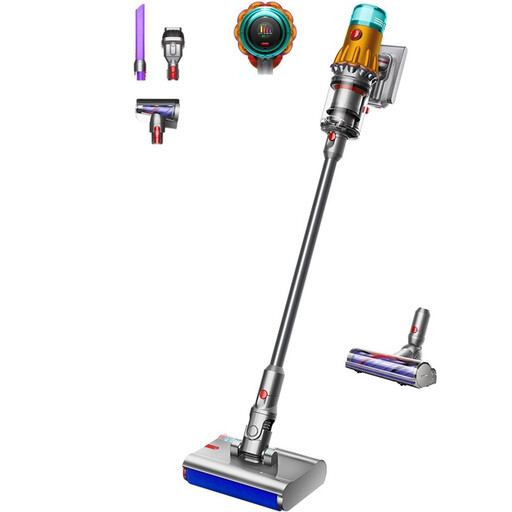
Why it suits this profile: A versatile choice for households looking to combine cordless vacuuming with mopping on sealed hard floors.
The product information distinguishes between the Motorbar for vacuuming and the Submarine roller for sealed hard floors.
Up to 60 minutes according to the product information, HEPA 13 filtration and a quoted suction power of 140 AW.
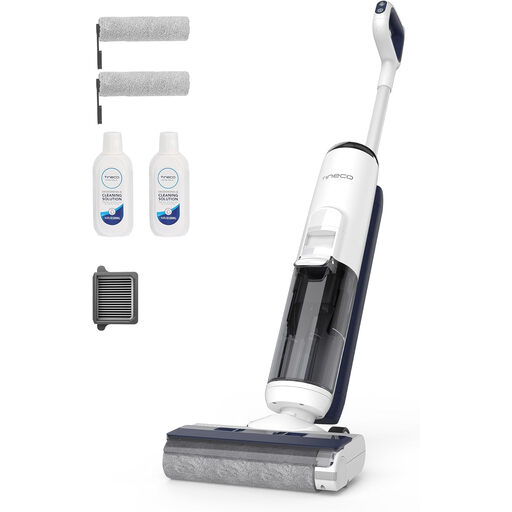
Why it suits this profile: Designed for households with hard floors that want to vacuum and mop in one go.
It’s clearly designed for indoor hard floors only, such as vinyl, tiles, sealed wood and laminate.
Weighs 4.3 kg, with a self-cleaning function and two extra roller brushes according to the product description.
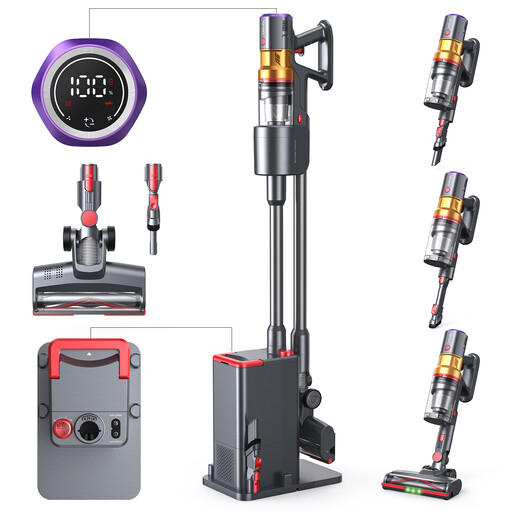
Why it suits this profile: The combination of an anti-tangle brush, self-emptying base and several power settings makes it well suited to everyday cleaning with pet hair.
According to the product information, the V-shaped brush is designed to reduce hair tangling; the self-emptying base means you need to empty it by hand less often.
Quoted maximum suction power of 27 kPa, multi-stage HEPA filtration and green LED lighting on the floor head.
We’ve put together a complete, up-to-date list of products that meet these strict selection criteria and comply with current European safety regulations.
That depends on how it’s used, charging cycles, storage and the setting you choose. The maximum runtime is usually quoted for Eco mode. Turbo or Max mode significantly reduces it. When buying, check whether the battery is replaceable and whether a spare battery is available.
Yes, but choose a model with a motorised brush, several power settings and, ideally, an anti-tangle roller. Also check whether the manufacturer specifically says the appliance is suitable for carpet. A model designed solely for hard floors isn’t a sensible choice for deep-pile carpet.
Alongside the purchase price, you should consider electricity, filters, brushes, batteries and any dust bags or cleaning solution. A self-emptying robot vacuum can save time, but may mean extra costs for dust bags. With a wet-and-dry vacuum, you’ll also need to clean the dirty water tank and roller after use.
