
Vandaag of morgen in huis

Kwaliteit gegarandeerd

Welkomstaanbiedingen ontgrendelen: GRATIS bezorging | Tot 80% korting | Gratis 30 dagen JoyPlus-proefperiode
Download de app
A floor that's vacuumed and mopped in a single pass. It sounds like the ideal solution for a busy household. A cordless vacuum with a mopping function promises just that: time savings and convenience. But the market is flooded with models that overpromise and underdeliver. Many devices are a compromise that neither vacuums well nor mops effectively.
Before you invest in a vacuum and mop in one, it's crucial to recognise the common pitfalls. This will prevent you from spending money on a gadget that ends up collecting dust in a closet after a few months.
The 3 Pitfalls of a 2-in-1 Cordless Vacuum:
To find a model that truly performs, focus on a few key technical features. These determine the difference between a gimmick and a functional home appliance.
The effectiveness of the mopping function depends on the water system. A good cordless vacuum with a mopping function has an active system. This means the device continuously feeds clean water to a rotating brush or microfibre roller and immediately sucks the dirty water back into a separate reservoir.
A cordless vacuum and mop combo is demanding on its battery. Look beyond the advertised maximum runtime.
The design of the nozzle and filtration system is crucial for daily convenience, especially for a cordless vacuum for hard floors and households with pets or allergies.
Based on these criteria, we have selected several models that suit different user profiles. These are not "winners," but objective choices based on their specifications.
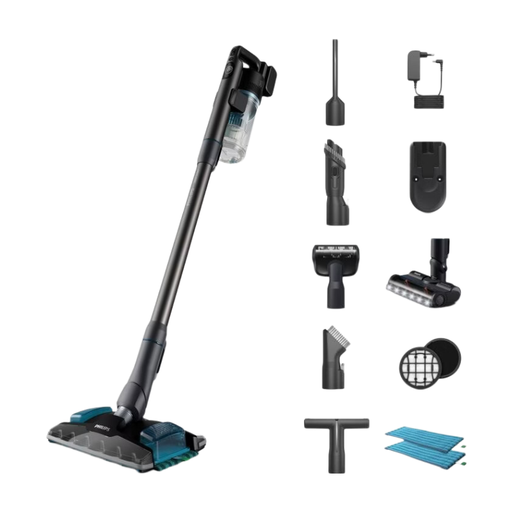
Why This Fits Their Persona: For those who trust a premium brand and are looking for a versatile, powerful solution. This Philips cordless vacuum combines a powerful cordless vacuum cleaner with a well-designed mopping function, and can also be used as a handheld vacuum.
This model, the Philips 8000 series aqua, has an active mopping system with a detachable water tank. It's not a passive wet cloth. The powerful 25.2V battery delivers up to 30 minutes on turbo mode, a realistic runtime.
According to Philips, the PowerCyclone 12 technology ensures long-lasting high suction power. The 5-stage filtration system and the anti-tangle nozzle make it suitable for households with pets or allergies.
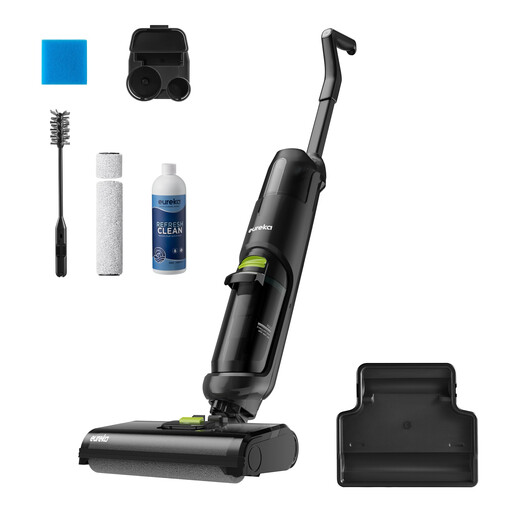
Why This Fits Their Persona: Ideal for households that regularly need to clean up wet and sticky messes, such as spilled drinks, food scraps, or muddy paw prints. This appliance is specifically designed to vacuum and wash simultaneously.
Eureka's dual-tank system keeps clean and dirty water strictly separate, completely avoiding the "dirty cloth" trap. The self-cleaning function rinses the brush roll and pipes after use, preventing unhygienic maintenance.
The self-propelled feature makes the appliance easy to manoeuvre, despite the weight of the water tanks. It is a specialised wet and dry cleaner for hard floors.
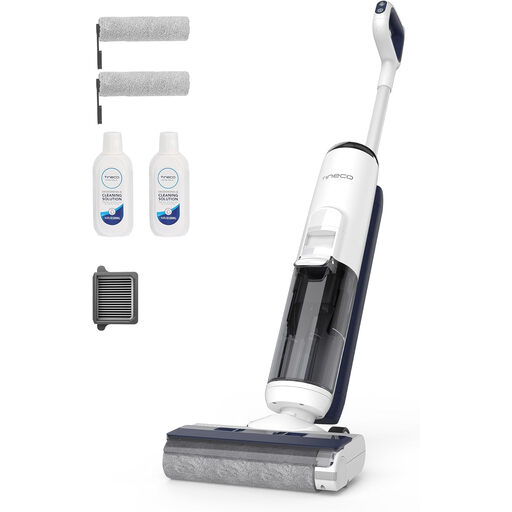
Why This Fits Their Persona: For the busy professional seeking a fast, lightweight, and effective cleaning solution. This model is designed for ease of use and efficiency, without compromising on cleaning power along edges and baseboards.
Like the Eureka, this model has a dual-tank system for hygienic cleaning. It addresses the pitfall of poor edge cleaning with a brush design that, according to Tineco, cleans to within 0.5 cm of the baseboard.
The relatively light weight of 4.3 kg makes the appliance agile. The self-cleaning function and included accessories, such as extra brush rolls, provide a complete package for immediate use.
We have compiled a complete, up-to-date list of products that meet these strict selection criteria and relevant safety standards.
The actual runtime heavily depends on the selected mode. Expect 40-80 minutes on the lowest setting, but on the highest (turbo) mode, which is necessary for stubborn dirt and powering the mopping function, 20-30 minutes is a realistic estimate. Always check the specifications for the runtime on turbo mode.
Yes, most models are safe for sealed hard floors like parquet, laminate, and tiles. However, it's important to check if the manufacturer explicitly states this. A good system carefully doses the amount of water so the floor doesn't get too wet. Do not use the appliance on untreated or oiled wood.
A passive system uses a simple, wet cloth that hangs behind the nozzle. This spreads water (and dirt) without scrubbing. An active system uses a rotating brush that is continuously moistened with clean water from a separate tank, while the dirty water is immediately suctioned up. For a truly clean floor, an active system is the recommended choice.
