
Livraison le jour même et le lendemain

Qualité garantie

Débloquez vos offres de bienvenue: Livraison GRATUITE | Jusqu'à -80 % | 30 jours d'essai gratuits à JoyPlus
Téléchargez l'application
Choosing a new cordless vacuum can feel like navigating a maze of specifications and marketing promises. One model claims unprecedented suction power, while another boasts a battery life that seems too good to be true. As a Product Recommendation Officer at Joybuy, I see the challenges consumers face every day. Many devices promise the world but, in practice, leave you with a dead battery and a half-clean house. Let's expose the most common pitfalls so you can make an informed choice.
Before we look at specific models, it's crucial to recognise two common marketing traps that often lead to buyer's remorse.
To make the right choice, focus on the specifications that truly matter in day-to-day use.
Look beyond the maximum battery life. Ask yourself: how long can the cordless vacuum run on a medium or turbo setting? For larger homes or households with pets, a runtime of at least 25 minutes on a powerful setting is a realistic starting point. Some models offer a swappable battery, which is a practical solution to avoid interrupting your cleaning session.
A bagless vacuum is convenient, but the filtration system is crucial for your home's air quality. A HEPA filter vacuum captures up to 99.97% of microscopic particles, such as fine dust, pollen, and pet allergens. This isn't a luxury, but a necessity for families with young children, allergy sufferers, or pet owners.
The market offers various types of cordless vacuums, each with its own advantages:
Below is a selection of models that, based on their specifications, offer a solution for specific households and avoid the pitfalls mentioned earlier.
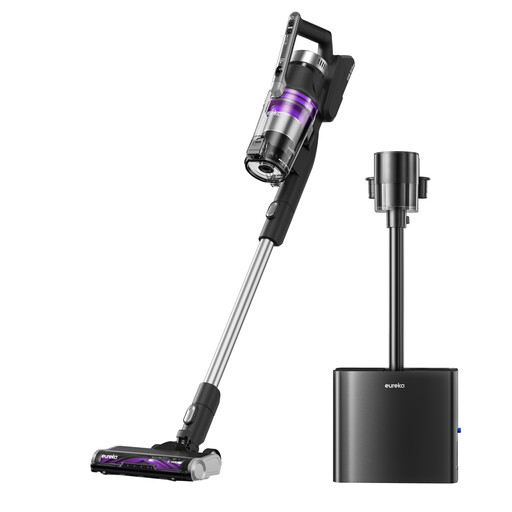
Why This Fits Their Persona: This model is designed for the chaos of family life with pets. The combination of a powerful motor, an anti-tangle brush, and a self-emptying station efficiently tackles the constant flow of hair and crumbs.
The anti-tangle brush is a direct answer to the 'high suction, low performance' pitfall. Hair doesn't clog the brush, ensuring suction remains effective. The self-emptying station minimises contact with dust.
Self-emptying station: Automatically empties the dustbin, saving time and reducing exposure to allergens. Swappable battery: Ensures continuous cleaning without downtime.
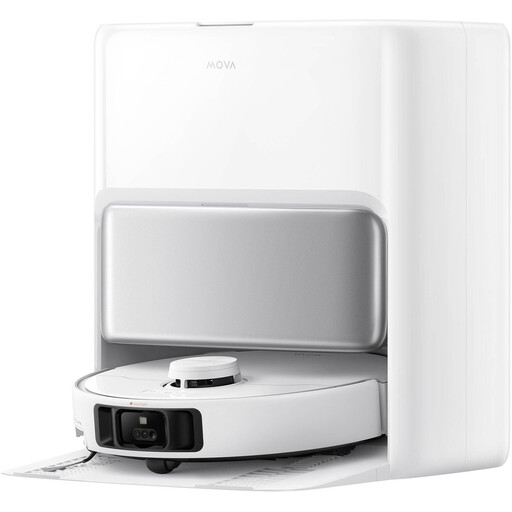
Why This Fits Their Persona: For those who want to fully automate their housekeeping. This robot vacuum is more than a gadget; it's an autonomous cleaning system that vacuums, mops, and then cleans, empties, and refills itself.
This model bypasses the trap of 'useless smart features'. The 75°C hot water mop cleaning is a technologically advanced feature with a clear, practical benefit: a more hygienic result than cold water.
Fully autonomous station: Cleans the mop with hot water, empties the dustbin, and refills the water tank. Powerful suction: The manufacturer's claimed 19,000 Pa is suitable for deep cleaning.
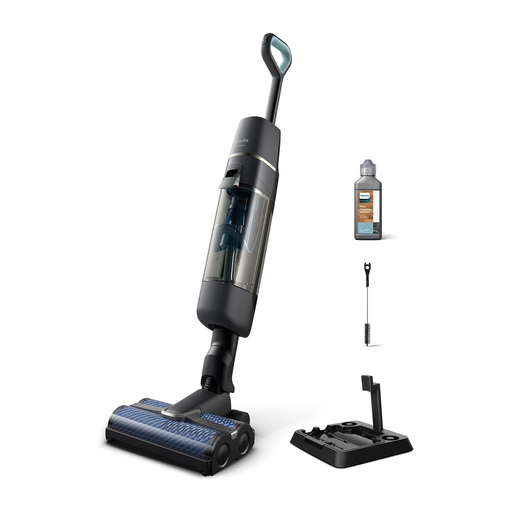
Why This Fits Their Persona: Ideal for those seeking efficiency and space-saving design. This device combines vacuuming and mopping in a single motion, perfect for maintaining hard floors in an apartment without much storage space.
This model addresses the pitfall of a short, impractical battery life. The 25-minute runtime is realistic for cleaning an apartment. The Aqua Diffusion system separates dirty water immediately, which is more hygienic than a traditional mop.
2-in-1 functionality: Vacuums and mops simultaneously with AquaSpin technology. Self-cleaning brushes: The device cleans its own brushes in the station, which minimises maintenance.
We have compiled a complete, up-to-date list of products that fully meet these strict selection criteria and UK/EU safety regulations.
The actual runtime heavily depends on the selected power mode. For most models, expect 40-60 minutes in eco-mode, but only 15-25 minutes in turbo-mode. Check the specifications for runtime per mode to get a realistic picture.
For households with allergies, pets, or young children, a HEPA filter is highly recommended. It filters the smallest particles from the exhaust air, resulting in a cleaner and healthier living environment. For others, a standard filter may suffice, but a HEPA filter always provides superior air quality.
Pascals (Pa) measure the pressure or suction force directly at the motor. Air Watts (AW) is a more comprehensive measurement that includes both suction power (pressure) and airflow (volume). A higher AW value generally gives a better indication of actual cleaning performance than a Pa value alone. Unfortunately, not all manufacturers specify the AW rating. Therefore, don't focus blindly on one number, but look at the combination of the motor, brush design, and filtration.
