
Vandaag of morgen in huis

Kwaliteit gegarandeerd

Welkomstaanbiedingen ontgrendelen: GRATIS bezorging | Tot 80% korting | Gratis 30 dagen JoyPlus-proefperiode
Download de app
A cordless vacuum promises freedom and convenience. No more hassle with tangled cords that are always just a little too short. But the market is flooded with models, all making lofty claims. How do you navigate the marketing hype and choose a model that truly fits your household, without suffering from buyer's remorse three months later?
As a Product Recommendation Officer at Joybuy, I see what consumers struggle with every day. Many purchasing decisions are based on specifications that look impressive on paper but underwhelm in practice. Let's expose the three most common pitfalls.
vacuum for carpet, the battery is often dead within 15 minutes.powerful vacuum that sucks up fine dust and allergens only to blow them back into the room through its exhaust is counterproductive. A poorly sealed system or a subpar filter can actually worsen your home's air quality.To avoid a bad purchase, it's wise to focus on a few key specifications that determine real-world performance.
Suction power is often expressed in Pascals (Pa), which measures pressure differential. A higher value isn't necessarily better. A more practical indicator is often Air Watts (AW), a measurement that combines both suction power and airflow. A model with a well-designed brush head and efficient airflow can outperform a model with a high Pa rating but an inefficient design. So, don't just look at the number; consider the combination of motor power (Watts), brush design, and any smart features that automatically adjust suction.
A cordless vacuum is only as convenient as its battery allows. The maximum runtime is almost always measured in the lowest power setting. Ask yourself how you'll be using the vacuum. Do you have a lot of carpet or pets? You'll likely need the medium or turbo mode more often. Check the specifications for the runtime on these settings. A realistic runtime of 20-30 minutes on a medium setting is sufficient for most households. Also, pay attention to the charging time; a fast charge time of 4-5 hours is practical.
A good filtration system is crucial, especially for households with pets or allergy sufferers. A HEPA filter is designed to capture 99.97% of particles as small as 0.3 micrometres. This helps keep the exhaust air clean. Check if the system is fully sealed to prevent dirty air from bypassing the filter. Also, verify if the filters are washable. This saves money in the long run and is better for the environment. A washable filter must be completely dry before you put it back in to prevent mould and loss of suction.
Not everyone has the same needs. That's why we've highlighted a few popular choices that are tailored to specific situations.
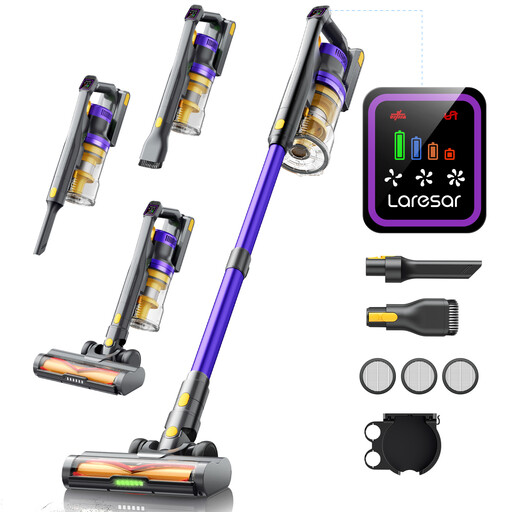
Why This Fits Their Persona: Specifically designed to tackle pet hair and stubborn dirt, with an anti-tangle brush that prevents long hairs from getting stuck. The green laser illumination, as the manufacturer calls it, makes invisible dust and hair visible, which is ideal for a thorough clean. A great choice if you're looking for a `vacuum for pet hair`.
While many vacuums lose suction power due to clogged filters, the X11's multi-cyclone system ensures more consistent performance. The claimed 55kPa suction power in MAX mode is intended for deep cleaning, while the MID mode offers a practical balance for daily use, thus avoiding the pitfall of a quickly drained battery.
Powerful suction (claimed 55kPa by the manufacturer) and green laser illumination to see even the finest dust.
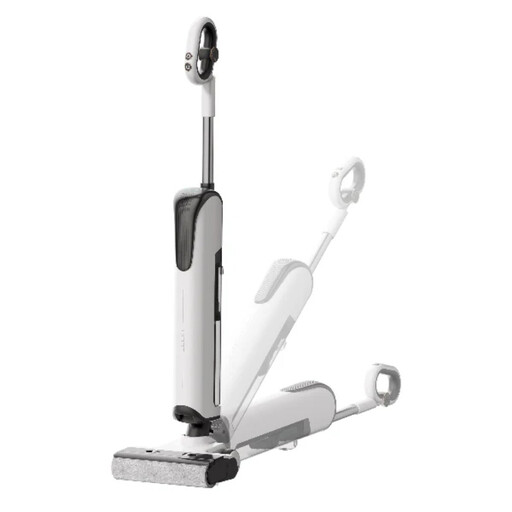
Why This Fits Their Persona: This 2-in-1 `stick vacuum` combines vacuuming and mopping, which saves time. Its 180° lay-flat design makes it easy to clean under furniture, and the edge-to-edge cleaning effectively tackles baseboards. A handy `spot cleaner` and mop in one.
Instead of just focusing on maximum battery life, the D100 offers smart modes that adjust power and water consumption based on the dirt level. The self-cleaning and drying station tackles the maintenance problem, an often-overlooked drawback of vacuum mops.
Vacuums and mops in one with a self-cleaning station for minimal maintenance.
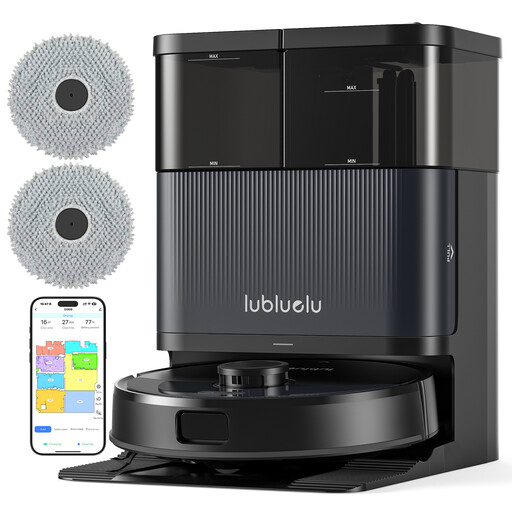
Why This Fits Their Persona: This `robot vacuum with mopping function` takes the work completely off your hands. Thanks to LiDAR navigation, it maps your home and cleans systematically. You can set no-go zones and schedule cleaning sessions via the app, even when you're not home.
Robot vacuums are often criticised for their weak suction power. The S1000 addresses this with a (manufacturer-claimed) very high suction power of up to 10000Pa, making it suitable for low-pile `carpet` as well. The all-in-one station automatically empties the dustbin, minimising the pitfall of constant maintenance.
Fully automated cleaning with LiDAR navigation and an all-in-one station that empties the dustbin.
We have compiled a complete, up-to-date list of products that meet these selection criteria and comply with current regulations.
This depends on the filter type and how intensively you use the vacuum. It's best to clean washable filters every 2 to 4 weeks with cold water. Ensure the filter is completely dry (for at least 24 hours) before reinserting it. Non-washable filters typically need to be replaced every 3 to 6 months. Always consult the manufacturer's manual for specific recommendations.
Not necessarily. A high Pa rating might seem impressive, but it's only one piece of the puzzle. A vacuum's effectiveness also heavily depends on airflow (measured in Air Watts), the design of the brush head, and the system's seal. A well-designed stick vacuum with a lower Pa value can perform better in practice than a poorly designed model with a higher number.
For daily maintenance, a robot vacuum can be a lifesaver, keeping your home looking consistently tidy. It's ideal for picking up dust, crumbs, and hair on open floor surfaces. However, for deep cleaning, tackling stairs, furniture, car interiors, or quickly cleaning up a spill, a cordless stick vacuum remains indispensable. The two complement each other perfectly.
