
Vandaag of morgen in huis

Kwaliteit gegarandeerd

Welkomstaanbiedingen ontgrendelen: GRATIS bezorging | Tot 80% korting | Gratis 30 dagen JoyPlus-proefperiode
Download de app
The right tools can make or break a project. And more and more, that means cordless tools. The freedom of going cordless is undeniable, but the search for the right product can feel like navigating a maze. Brands promise the world, but in reality, you can quickly run into limitations. Before you invest, it's wise to look beyond the marketing.
Many buyers fall into a few common pitfalls:
To avoid a bad purchase, it's crucial to understand three technical specifications. These determine the performance and usability of your tools.
Voltage determines the 'muscle' of the tool. The higher the voltage, the more power the machine can deliver for heavy-duty tasks.
Think of Ampere-hour as the size of the fuel tank. It indicates how long you can work with a fully charged battery. Under the same conditions, a 4.0Ah battery will supply power for roughly twice as long as a 2.0Ah battery. For short jobs, a lower Ah rating is fine, but for a full day on the job site, a higher capacity battery (or multiple batteries) is essential.
This is perhaps the most important consideration. When you buy a cordless tool, you're investing in a platform. This means the batteries and chargers are interchangeable with other tools of the same voltage class within that brand (like Metabo batteries or Makita). A broad platform gives you the flexibility to expand your collection in the future without having to buy new batteries and chargers every time.
Not everyone has the same needs. Below are some options tailored to specific user profiles.
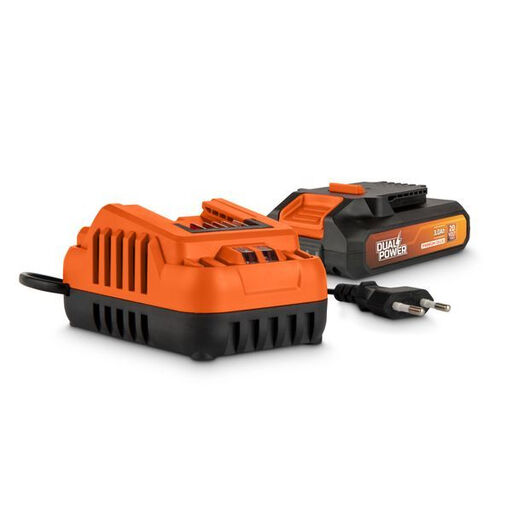
Why This Fits Their Persona: Ideal for those just starting out who want an affordable, all-in-one start. This set includes everything you need: a battery and a charger. You immediately enter a platform (Dual Power) with a wide range of tools for projects in and around the house.
This set prevents the platform trap by providing a clear entry point into an ecosystem. The included charger is compatible with both 20V and 2x20V batteries, sidestepping the pitfall of an incompatible or slow charger.
Complete starter set with a 3.0Ah battery and a versatile charger. The battery features LED indicator lights to check its status.
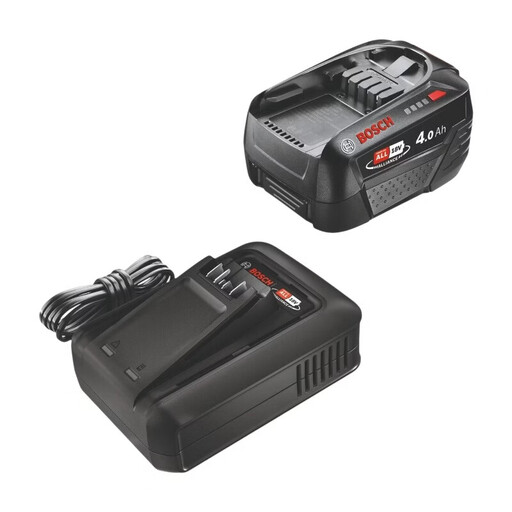
Why This Fits Their Persona: For the DIYer who regularly tackles projects and needs more endurance and reliability. This set provides a powerful 18V battery and a fast charger, perfect for longer and more demanding jobs.
The 4.0Ah battery tackles the Ah myth by providing long, reliable runtime. The fast charger prevents the frustration of long waits. Furthermore, it's part of the Bosch Power for ALL 18V system, one of the broadest platforms for DIY enthusiasts.
Long runtime thanks to the 4.0Ah capacity. According to Bosch, the fast charger fully charges the battery in about 59 minutes. Maximum flexibility through compatibility with hundreds of tools.
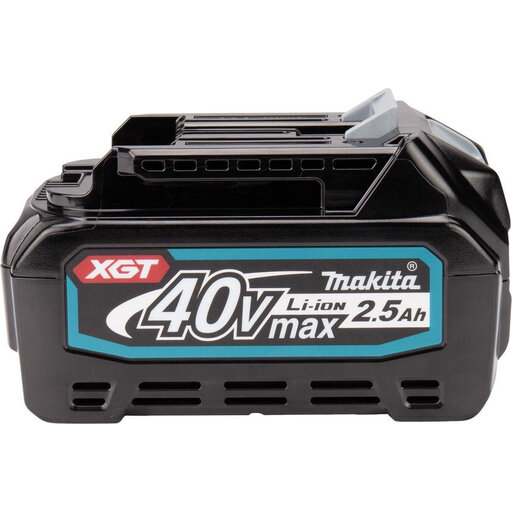
Why This Fits Their Persona: For the freelancer or trade professional who relies on their tools daily. This Makita battery is part of the XGT 40V Max platform, designed for the most demanding applications where maximum power and durability are required.
This is not a 'one-size-fits-all' solution. The 40V platform is a deliberate choice for extreme power. The battery is robust (IP56 rated against dust and water) and, with the corresponding fast charger (DC40RA), charges in just 28 minutes according to Makita, keeping productivity high.
Designed for harsh conditions. The built-in electronics facilitate communication between the battery, charger, and tool for optimal performance and lifespan. Features an LED battery status indicator.
We have compiled a complete, up-to-date list of products that fully meet these strict selection criteria and safety regulations.
Generally, the answer is no. Batteries are specifically designed for a brand's platform. The physical connection, voltage, and electronic communication differ. Although adapters exist, using them can void the warranty on your tool and battery and may pose safety risks. It is recommended to stay within the same brand and voltage platform.
The main difference is power. 18V cordless tools are the all-around standard for most jobs, from driving screws to sawing. They offer a good balance between power and weight. 40V systems, like the Makita XGT line, are designed to replace corded tools. They deliver significantly more power for continuous heavy-duty work, such as cutting hardwood or using large angle grinders.
A few simple habits can significantly extend the life of your Lithium-Ion battery. Store the battery in a dry place at room temperature. Try to avoid letting the battery completely drain before recharging it. Remove the battery from the charger once it is full, and keep the contact points of both the battery and the tool clean and free of dust.
