
Vandaag of morgen in huis

Kwaliteit gegarandeerd

Welkomstaanbiedingen ontgrendelen: GRATIS bezorging | Tot 80% korting | Gratis 30 dagen JoyPlus-proefperiode
Download de app
When you invest in cordless tools, you want machines that get the job done and last for years. Yet, the market is flooded with marketing buzzwords and specifications that confuse more than they clarify. Many DIYers and even professional tradespeople fall into the same traps, resulting in a shed full of unusable tools. As a Joybuy Product Recommendation Officer, I cut through the noise to give you practical advice for making the right choice.
Before you purchase a new tool or tool battery, watch out for these common missteps:
To avoid these pitfalls, you need to focus on a few non-negotiable specifications. These are the facts that determine whether your purchase will be a success.
A battery platform is a series of tools from a single brand designed to use the same type of battery and charger. Popular systems include the Einhell Power X-Change platform or Makita's 18V LXT line.
By paying attention to this, you ensure that your new bare tool works seamlessly with the batteries you already own.
These two values are inextricably linked.
A good balance is crucial. For a powerful tool, you also need a battery with sufficient endurance. Buying a separate battery with a higher Ah rating can be a smart upgrade for your existing set.
Not everyone needs the same tool. Below are a few choices, linked to specific user types.
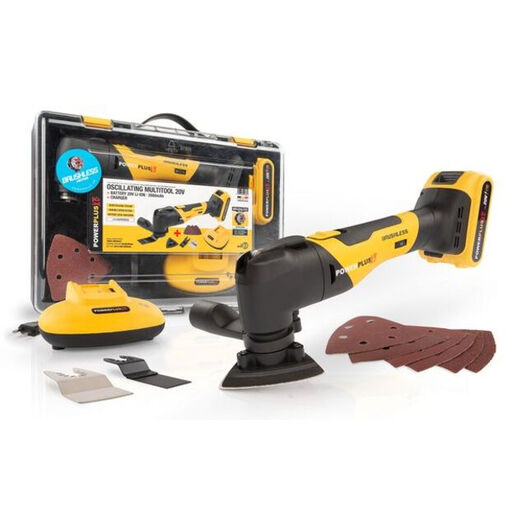
Why it's a match: Ideal for those starting out who want a versatile tool without getting locked into an expensive platform. This kit is complete with a battery, charger, and accessories in a case.
This kit bypasses the 'hidden costs' of bare tools. You're buying a complete, ready-to-use solution, so you can get to work immediately.
According to the manufacturer, the brushless motor provides a longer lifespan and more power. The kit is an all-in-one package for various sanding, cutting, and scraping jobs.
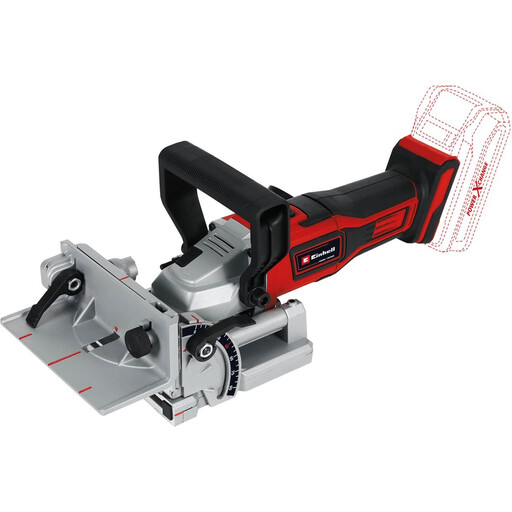
Why it's a match: For the serious DIYer who has already invested in the Einhell Power X-Change platform and wants to expand their collection with a specialized tool for woodworking.
This is a textbook example of a smart 'bare tool' purchase. You avoid platform incompatibility by deliberately choosing a tool within your existing ecosystem.
Offers cordless freedom for making precise biscuit joints. The tool features a solid aluminum construction and is suitable for common biscuit sizes.
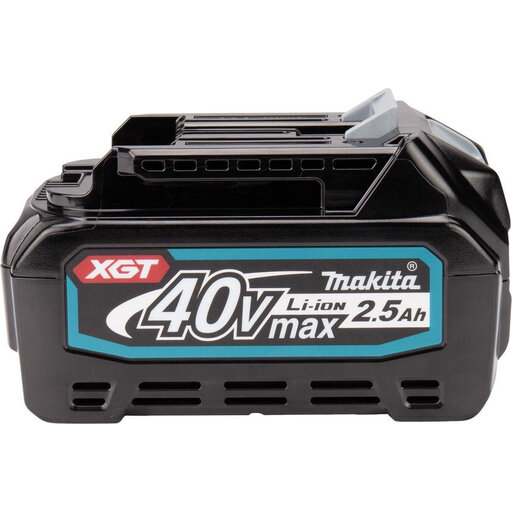
Why it's a match: For the professional who works with the powerful Makita XGT 40V system and needs a reliable, durable battery for heavy-duty applications on the job site. An extra or replacement battery is essential.
This purchase is a deliberate choice for quality within a professional cordless tool platform. It looks beyond just voltage, focusing on durability (IP56 rating) and smart technology.
According to Makita, the battery is resistant to dust and water (IP56) and communicates with the charger for an optimized charging cycle. Fully recharges in 28 minutes with a rapid charger.
If you're searching for a versatile machine, we have a complete overview of models that meet strict selection criteria and safety standards.
The lifespan of a tool battery depends on its usage, storage, and quality. A modern lithium-ion battery lasts an average of 3 to 5 years, or between 500 and 1,000 charge cycles. For a longer life, store the battery in a cool, dry place with a charge of about 40-50%. Never leave a battery completely empty in storage.
This is strongly discouraged. Each battery platform has a unique physical connection and, more importantly, specific electronics that communicate between the battery, tool, and charger. Using an incompatible third-party battery can lead to poor performance, damage to your tool, and voiding the warranty. Safety is the most critical factor here.
This is a perfect example of why you must check the platform. LXT is Makita's extensive 18V platform. Many 36V Makita tools use two 18V LXT batteries. XGT is the newer 40V Max platform, designed for the most demanding applications that previously required corded or gas-powered tools. The batteries for LXT and XGT are not interchangeable.
