
Vandaag of morgen in huis

Kwaliteit gegarandeerd

Welkomstaanbiedingen ontgrendelen: GRATIS bezorging | Tot 80% korting | Gratis 30 dagen JoyPlus-proefperiode
Download de app
A cordless handheld vacuum seems like a simple purchase, until your new gadget barely picks up crumbs after three months. Many models promise the world but, in practice, leave you with a weak battery, diminishing suction power, and impossible-to-find filters.
As a Joybuy Product Recommendation Officer, I'll help you see past the marketing claims. We'll focus on the specifications that truly matter, so you can choose a model that's practical and will continue to perform. Let's look at the three most common pitfalls.
To avoid a bad purchase, ignore the marketing buzzwords and focus on three concrete specifications. These will determine whether your cordless handheld vacuum becomes a useful tool or a source of frustration.
The motor is the heart of any cordless handheld vacuum. Instead of fixating on Wattage, it's better to look at the type of motor.
A rechargeable handheld vacuum should be ready to go when you are. Pay attention to the following two points:
The filter is perhaps the most underrated component. A poor filter renders even the best motor useless.
A washable HEPA filter is the gold standard for a quality device. HEPA filters capture not only dust and crumbs but also much smaller particles like pollen and fine dust. Because you can rinse the filter under the tap, you maintain maximum suction power and don't have to constantly buy new filters. Always let the filter dry completely (for at least 24 hours) after washing.
Based on these criteria, we have highlighted a few choices that suit different users.
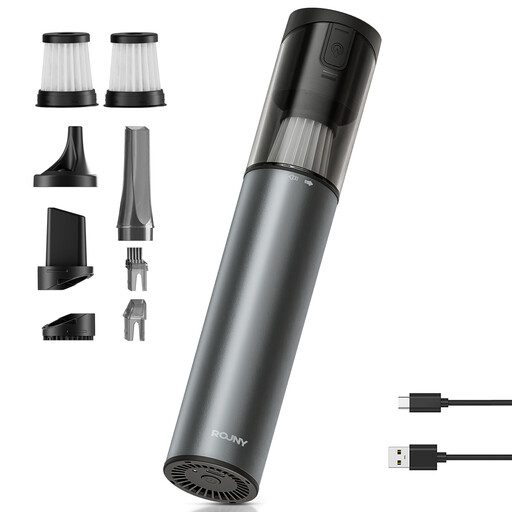
Why This Fits Their Persona: Ideal for those seeking a compact yet powerful solution for the car, home office, or dorm room. Its lightweight aluminum body and Type-C charging port make this mini vacuum easy to take with you and charge anywhere.
Tackles battery frustration with a universal Type-C port and the filter trap with a washable HEPA filter. The brushless motor prevents rapid wear and tear.
Combines suction with a blower function, useful for keyboards and tight crevices. The brushless motor ensures stable performance.
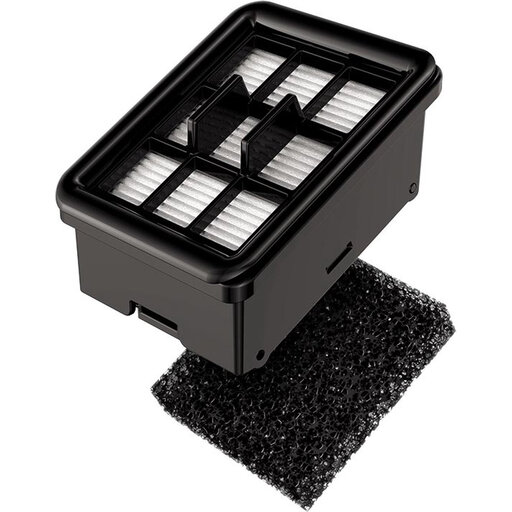
Why This Fits Their Persona: This user thinks ahead. A vacuum's lifespan depends on maintenance. Before buying a device, it's smart to check if replacement parts, like filters, are readily available.
This is the best way to sidestep the 'disposable filter deception.' By knowing you can buy parts beforehand, you're investing in a device you can maintain for years.
Regular filter replacement maintains suction power and protects the motor. This significantly extends the lifespan of your vacuum cleaner.
Good maintenance starts with the right parts. For long-lasting performance, it's essential to replace filters and brushes in a timely manner. Check out our full assortment.
For a washable filter, it's recommended to tap it out after each heavy use. Wash it under the tap (without soap) about once a month and then let it air-dry completely for at least 24 hours before putting it back. Replace the filter every 6 to 12 months, depending on how often you use the device.
Focus on the motor type. A brushless motor typically offers more reliable and long-lasting performance than a model that only advertises high Pa ratings. A high Pa value on the box can quickly diminish as soon as the filter gets a little full, whereas an efficient motor maintains its power better.
It is not advisable to permanently store a handheld vacuum for car in your vehicle. Extreme temperatures, such as the heat in a closed car in summer or freezing cold in winter, can significantly shorten the lifespan and performance of the lithium-ion battery. It's better to store it indoors and take it with you when you're going to clean the car.
