
Vandaag of morgen in huis

Kwaliteit gegarandeerd

Welkomstaanbiedingen ontgrendelen: GRATIS bezorging | Tot 80% korting | Gratis 30 dagen JoyPlus-proefperiode
Download de app
A cordless drill may seem straightforward to choose at first glance. However, models vary considerably in power, runtime, accessories and battery platform. A compact machine can be ideal for assembling furniture, while a heavier 18V cordless drill may be needed for installation work, drilling wood or working with metal.
Most poor purchases usually result from three pitfalls:
A 12V cordless drill is often lightweight and suitable for screwdriving, cabinet assembly and small holes. An 18V cordless drill generally offers more reserve power for larger screws and drilling tasks. For occasional jobs around the home, 16V or 18V is often practical; for intensive installation work, battery capacity in Ah also matters.
A 2.0 Ah battery is lighter and quicker to replace. A battery with a higher Ah rating can run for longer, but also makes the machine heavier. Also check the battery platform. A Bosch POWER FOR ALL battery or Einhell Power X-Change battery will only fit within its corresponding system. This can be useful if you already own other tools from the same platform.
Torque is measured in Nm. A higher stated maximum can help with heavy-duty screws, but also compare soft and hard torque. A cordless drill driver with multiple torque settings gives you greater control and reduces the risk of damaging the screw head or material.
Two mechanical gears are useful:
A variable-speed trigger helps you start smoothly. Also look at the no-load speed, for example 0–500 and 0–1,900 revolutions per minute. This does not indicate exactly how quickly the machine will work under load, but it does provide a useful guide.
A 13 mm metal chuck accommodates common drill bits and may be suitable for more intensive use. Compact models sometimes have a 10 mm chuck, which is sufficient for many screwdriving and light drilling jobs.
A hammer function is useful for occasional drilling into masonry. However, a cordless hammer drill does not automatically replace a rotary hammer for frequent work in concrete. Also check:
With a brushless cordless drill, pay attention to what is actually stated in the product specifications. According to brands’ own information, a brushless motor can operate more efficiently and require less maintenance, but practical runtime also depends on the battery, load and material.
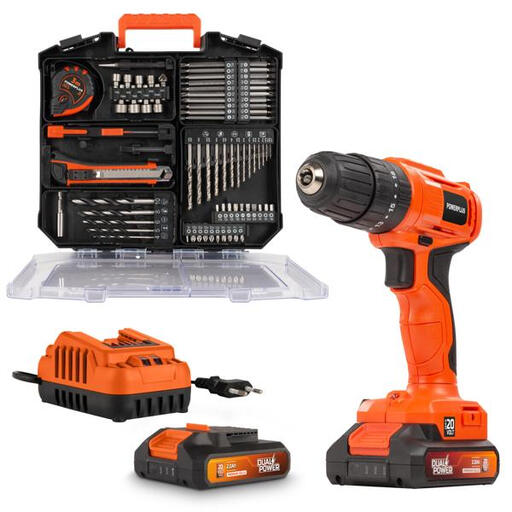
Why it suits this profile: This cordless drill set includes two batteries, a charger and accessories. That means you can get started straight away with assembly and maintenance jobs around the home.
The delivery details list two batteries and a charger, so you are not buying a “solo” machine. Check the current package contents before ordering.
20V, maximum 30 Nm, two speeds, 18 torque settings and a built-in LED light.
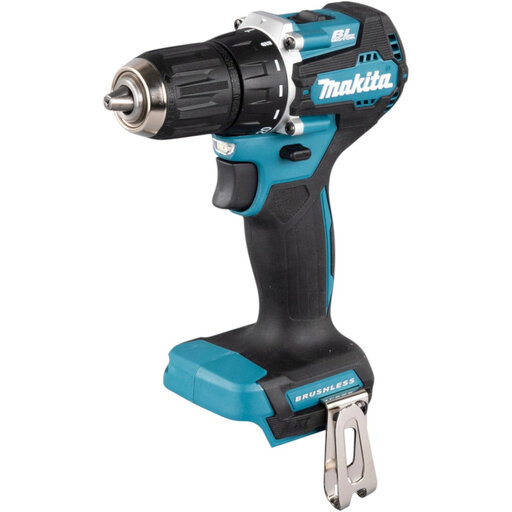
Why it suits this profile: The combination of a brushless motor, 13 mm chuck and two mechanical speeds is well suited to regular work in wood, metal and assembly.
The specifications list a 13 mm keyless chuck, 20 torque settings and overload protection. The stated information about whether batteries and a charger are included may vary, so check this carefully.
18V, maximum 40 Nm, and according to the product information, drills up to 36 mm in wood and 13 mm in steel.
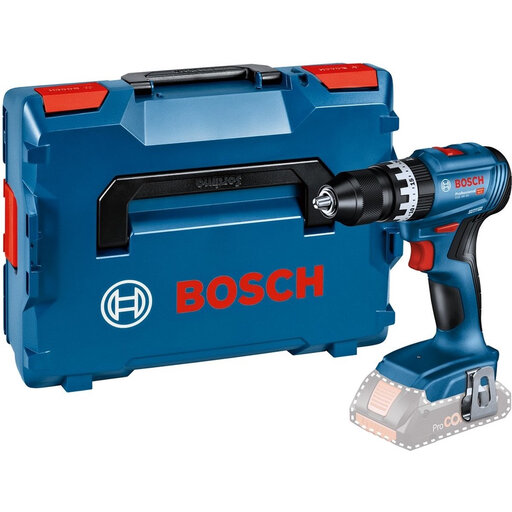
Why it suits this profile: This compact 18V machine is designed for assembly, installation and drilling work where a metal chuck and higher torque are desirable.
The product information clearly states that this is a solo version. This makes it clear in advance that a suitable battery and charger are required separately.
45 Nm hard torque, 1,900 rpm, 13 mm metal chuck and a stated drilling capacity of 35 mm in wood.
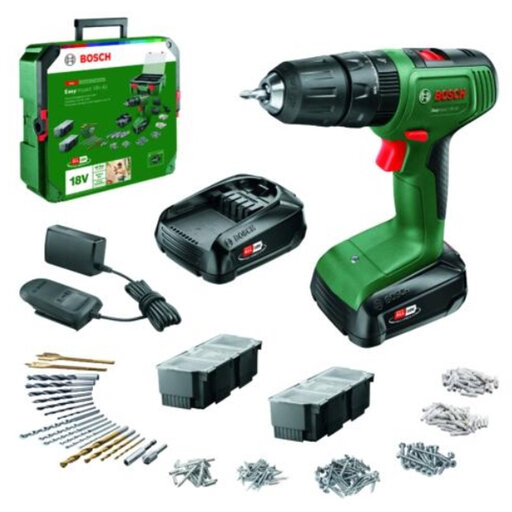
Why it suits this profile: The combination of screwdriving, drilling and hammer drilling makes this model suitable for renovation and household assembly jobs that require several functions.
The functions and package contents are clearly specified: 20 torque settings, a 13 mm chuck, two batteries, a charger and accessories. For concrete, a rotary hammer remains more suitable.
18V, maximum 40 Nm, two speeds and, according to the product description, suitable for wood, metal, plastic and masonry.
We have put together a complete, up-to-date list of products that fully meet these strict selection criteria and the applicable European safety regulations.
Always use a bit or drill bit that is suitable for the material. Let the machine do the work and do not apply excessive pressure. When driving screws, start with a low torque setting and increase it only when necessary. For drilling, switch to drill mode and select the appropriate gear.
Remove the battery before changing accessories or carrying out maintenance. Before drilling into a wall, check for pipes and cables. Wear safety goggles and suitable hearing protection when working in noisy or dusty conditions. The CE marking on a product indicates that the manufacturer declares it complies with the relevant EU requirements; always follow the instructions as well.
Yes, many 18V models are suitable for wood and metal according to their product specifications. However, check the maximum drilling diameter, speed and available torque settings. Use a suitable drill bit for each material.
This depends on the battery capacity, load, drilling diameter and temperature. A second battery reduces waiting time while you work. Store lithium-ion batteries in a dry place, avoid extreme temperatures and use a compatible charger.
A standard cordless drill is primarily designed for screwdriving and drilling materials such as wood, plastic and metal. A cordless hammer drill adds an impact function for occasional work in masonry. For frequent or heavy-duty drilling into concrete, an SDS rotary hammer is generally a more suitable tool.
