
Vandaag of morgen in huis

Kwaliteit gegarandeerd

Welkomstaanbiedingen ontgrendelen: GRATIS bezorging | Tot 80% korting | Gratis 30 dagen JoyPlus-proefperiode
Download de app
Choosing a new cordless drill can be overwhelming. Dozens of brands, specifications, and deals are all competing for your attention. But how can you be sure you're not making a bad purchase? Many DIYers, both beginners and experienced pros, fall into the same traps. They pay for features they'll never use, find out their machine isn't powerful enough after a few months, or get stuck with an impractical battery system.
As a Joybuy Product Recommendation Officer, I'm here to help you cut through the marketing jargon. We'll expose the 3 most common mistakes and show you what really matters. This way, you can choose a cordless drill that's a perfect match for your projects, without spending a penny more than you need to.
Before we dive into specifications, it's crucial to know the most common missteps. Recognising them will save you money and frustration.
A professional cordless drill with enormous torque looks impressive, but it's often overkill. You don't need a machine that can drill through reinforced concrete just to assemble a cabinet or hang a picture. You're paying extra for power you won't use. Determine what kind of jobs you'll be doing beforehand and match the machine's power accordingly.
Many brands have their own unique battery system. A cheap cordless drill deal can be tempting, but if you later want to buy other tools from the same brand, you're locked into that specific battery system. It's smarter to invest in a brand with a broad battery platform (like Bosch POWER FOR ALL or Einhell Power X-Change). This allows you to use one type of battery for all your tools. A cordless drill with 2 batteries is also a wise choice to ensure you can work without interruption.
This is a crucial mistake. A standard cordless drill driver is perfect for drilling into wood, metal, and plastic. If you try to use it on a hard brick wall or concrete, you won't get far and could damage the machine. For those materials, you need a cordless hammer drill. In addition to its rotational movement, it delivers small, rapid taps (impacts) to break through hard materials.
Don't get distracted by marketing terms. These three technical specifications determine if a cordless drill is right for you.
Voltage (V) – The Engine of the Machine: Voltage represents the battery's power and is an indicator of overall strength.
18v cordless drill is a versatile all-rounder, powerful enough for most jobs in and around the house, from installing drywall to building a fence.professional cordless drill that needs to perform heavy-duty work continuously.Torque (Nm) – The Raw Rotational Force: Torque, expressed in Newton-metres (Nm), indicates the machine's rotational force. The higher the torque, the more easily the machine can drive large screws into hard materials.
Motor: Brushed vs. Brushless: The motor is the heart of the machine.
Based on the criteria above, we've selected a few models that fit different user profiles.
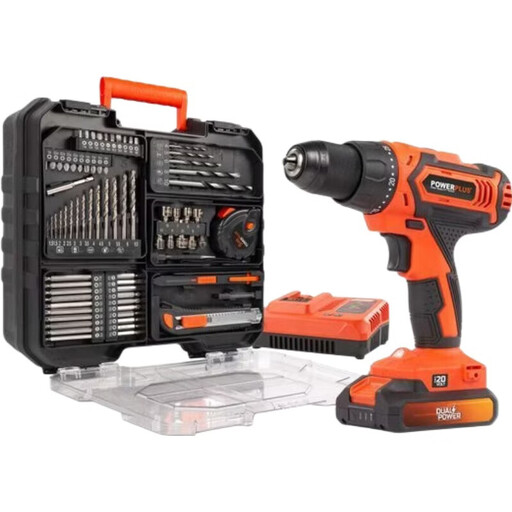
Why This Fits Their Persona: Ideal for those who want to get started right away without extra purchases. Perfect for household jobs like assembling furniture, hanging shelves, and light drilling tasks.
This set bypasses the 'battery trap' by providing everything at once: machine, battery, charger, and an extensive accessory case. You're not paying for overkill power; the 40 Nm is more than enough for home use.
Comes with a complete 78-piece accessory set. You can start drilling and driving screws immediately without any extra costs.
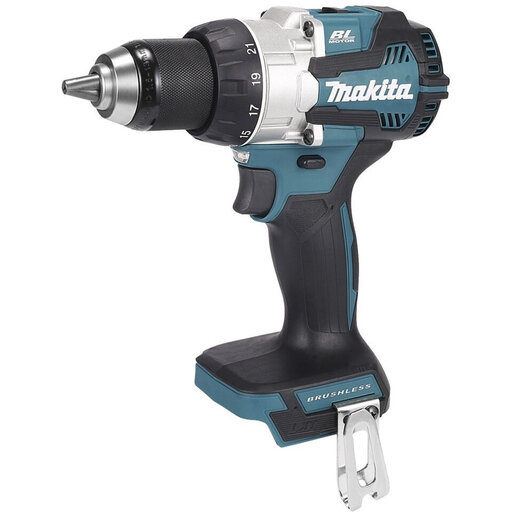
Why This Fits Their Persona: For the serious DIYer who regularly tackles larger projects. This machine offers the reliability and power needed for building structures, intensive screwdriving, and heavy drilling in wood and metal.
This is an investment in the extensive Makita LXT 18V battery platform, allowing you to use the batteries for hundreds of other tools. The brushless motor guarantees a long lifespan and efficiency.
Offers a high torque of 73 Nm and a durable build with an aluminium gear housing, ensuring reliable performance under tough conditions.
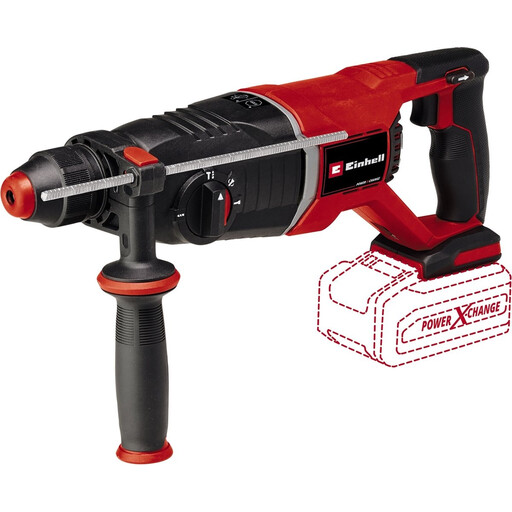
Why This Fits Their Persona: Specifically designed for the user who regularly needs to drill into hard materials like concrete and masonry. This is not a standard drill, but a true rotary hammer for heavy-duty work.
This is the solution to pitfall #3. Instead of forcing a standard drill, you're choosing the right tool for the job. The pneumatic mechanism does the work, not brute force.
Features a pneumatic hammer mechanism with an impact energy of 2.6 Joules, enabling efficient drilling in concrete. The machine has four functions: drilling, hammer drilling, and chiselling.
We have compiled a complete, up-to-date list of products that fully meet these strict selection criteria and local regulations.
A standard cordless drill (or drill driver) is designed for rotational movements, ideal for driving screws and drilling in wood, metal, and plastic. A hammer drill adds a hammer function to this: the drill bit makes a rapid, pulsating forward motion. This hammering action helps to break through hard, masonry materials like brick and concrete.
This depends entirely on your projects. For light household use (assembling a cabinet, drilling a hole in a soft wall), a 12V machine is often sufficient. For the all-round DIYer who also tackles heavier projects, 18V is the most versatile and popular choice. Machines with 36V or more are typically aimed at professionals who need maximum power daily.
Generally, no. Most brands use a proprietary design for their batteries and chargers. An exception to this are battery alliances, such as the 'POWER FOR ALL ALLIANCE' which includes brands like Bosch, Gardena, and others. Within such an alliance, batteries are interchangeable. It is therefore wise, when purchasing your first machine, to choose a brand with a broad ecosystem that fits your future plans.
