
当日/次日达

品质保障

开启新人专享福利: 全场免邮 | 低至 2 折 | 免费试用 30 天 JoyPlus 会员
下载 Joybuy
A cordless drill may seem easy to choose at first. However, unclear power claims, missing batteries and misjudging what you need it for can lead shoppers in the UK to pay too much for a tool that isn’t right for the job. Use this buying guide to compare cordless drills based on verifiable specifications and practical performance.
A high figure in Newton metres (Nm) quickly catches the eye. However, maximum torque doesn’t automatically mean that a cordless drill driver is suitable for every job. It mainly indicates the maximum turning force under certain conditions. For assembling furniture, driving screws into softwood or drilling into plastic, adjustable torque settings and a suitable chuck are often more important than an exceptionally high maximum.
Also look out for unusual product specifications. A rating of 400 Nm or 480 Nm, for example, may be suitable for an impact wrench or impact drill, but not for the typical use of a compact electric screwdriver.
When buying a drill with a battery, always check:
Some models are sold as body-only. With Makita cordless tools, for example, the battery may be part of a separate platform and therefore not included as standard. The initial low price can add up if you still need to buy a battery and charger.
A cordless drill set with dozens of accessories may look appealing. However, the quality, sizing and suitability of those accessories determine whether you’ll actually use them. A multi-tool with accessories or a rotary tool is also different from a drill. A rotary tool is suitable for fine grinding, engraving and polishing, for example, but isn’t designed for drilling large holes in masonry.
Battery voltage indicates the system the tool is designed for. A 12V model is often compact and easy to handle. An 18V or 20V model generally offers more reserve for heavier jobs, but is usually larger and heavier too.
Capacity is measured in Ah. A higher Ah rating can mean longer run time, but actual performance depends on the material, workload, speed and battery condition. So compare not only voltage and Ah, but also the availability and price of replacement batteries within the same platform.
An adjustable clutch is useful for screwdriving. It helps prevent screws from going too far into the wood or getting damaged. For drilling, the no-load speed and number of gears are important. A lower speed gives you more control, while a higher speed is handy for smaller holes in suitable materials.
A model with 20 or 26 torque settings gives you more adjustment options, but the number of settings alone doesn’t tell you how precisely the tool works. Also consider the controls, the chuck and whether it has a work light.
A 10 mm keyless chuck is common on compact DIY models. A 13 mm chuck may be more practical for larger drill bits or more intensive use. Also check whether the tool:
A combi drill isn’t automatically a substitute for a rotary hammer. For frequent drilling into hard concrete, you’ll need a different type of tool.
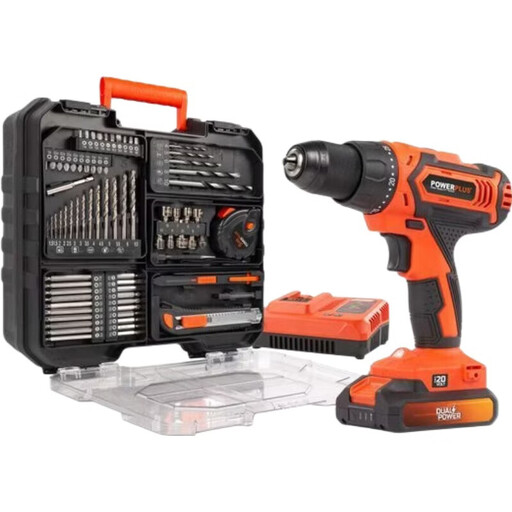
Why it suits this user: This set combines a 20V drill with a battery, charger and 78 accessories. It’s a practical choice for assembly, minor repairs and general DIY around the home.
The packaging explicitly lists a battery, charger and accessories, so it’s clearer from the outset what you need to get started.
Up to 40 Nm, two speeds, 26 torque settings, a work light and a keyless chuck.
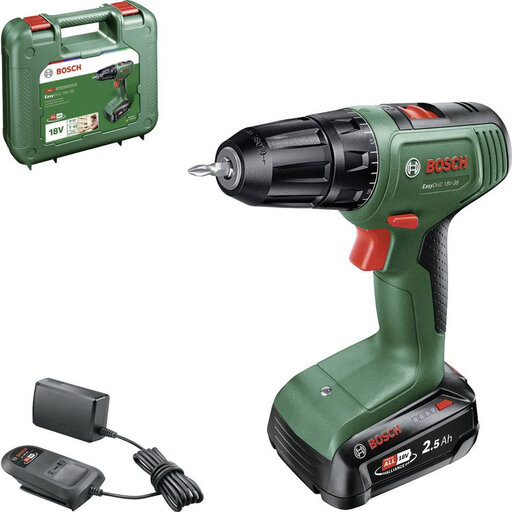
Why it suits this user: This model is designed for users looking for a compact cordless drill driver with a familiar battery system and clear adjustment options.
The specifications list the 18V POWER FOR ALL system, two speeds, 20 torque settings and a 10 mm keyless chuck.
Compact design, 20 torque settings and compatibility with the POWER FOR ALL platform, as mentioned. Check exactly which battery and charger are included before buying.
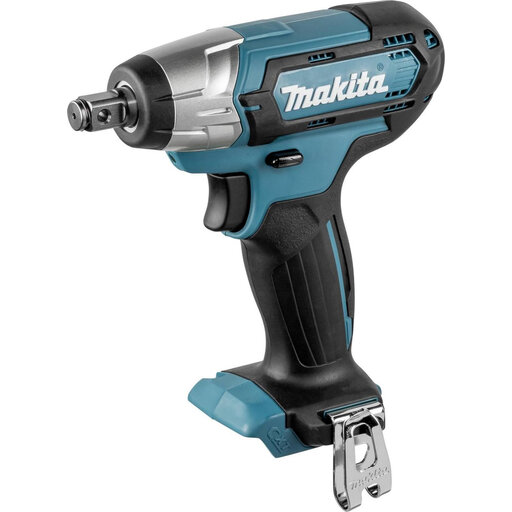
Why it suits this user: This isn’t a general-purpose drill, but an impact wrench for bolts and nuts. It’s suited to automotive use and assembly work requiring a 1/2-inch square drive.
The product description clearly identifies the tool type, its maximum torque of 145 Nm and its suitability for standard and high-strength bolts.
145 Nm, up to 3,200 impacts per minute, a brushless motor and overload protection. Battery and charger aren’t included.
We’ve put together a full, up-to-date list of products that meet these strict selection criteria and the applicable European safety regulations.
It depends on the battery capacity, material and workload. A battery with a higher Ah rating can run for longer, but intensive drilling or screwdriving uses more power. For longer jobs, a second battery is often more practical than simply choosing a higher maximum torque rating.
For wood, plastic, metal and standard assembly work, a regular cordless drill is usually sufficient. A combi drill can help with light drilling in masonry. Always check the recommended materials, and use a rotary hammer if you regularly work with hard concrete.
As well as the purchase price, you’ll need to consider batteries, chargers, bits and wear parts. A system with interchangeable batteries can be cost-effective if you later buy several tools from the same brand or platform. Also check that the set you choose actually includes a drill, battery and charger.
