
当日/次日达

品质保障

开启新人专享福利: 全场免邮 | 低至 2 折 | 免费试用 30 天 JoyPlus 会员
下载 Joybuy
A cordless drill may seem easy to choose at first. But models vary considerably in battery voltage, torque, drilling capacity and included accessories. A drill that’s comfortable to use on a small cabinet may not be suitable for hardwood or masonry.
There are three common buying pitfalls for DIYers in the Netherlands:
For light assembly, furniture and small holes in wood or plastic, a 12V cordless drill is often enough. An 18V cordless drill usually offers more reserve power for larger screws, hardwood and longer jobs. For occasional tasks, 16V or 20V may also be suitable.
As well as the voltage, check the battery capacity, measured in Ah. A 2,0 Ah battery is lighter and suitable for shorter jobs. A larger battery can run for longer, but it also makes the drill heavier. Also check whether the battery is part of a platform. With Bosch POWER FOR ALL, Einhell Power X-Change and other systems, you may be able to use the same battery with several tools. Always check exact compatibility.
A drill with torque settings helps prevent screws from being driven too far into soft materials. Multiple torque settings are useful for furniture and sheet materials. A separate drilling setting largely disables the torque limiter for drilling.
Two mechanical gears are useful:
Don’t look only at the maximum torque in Nm. Manufacturers may present soft torque, hard torque or a maximum theoretical torque in different ways. So compare specifications within the same product category and check the recommended drilling capacity.
A cordless drill for wood and metal usually has a stated maximum diameter for each material. These figures are guidelines, not a guarantee that every hole will be drilled just as quickly or comfortably. Use a suitable drill bit and avoid applying excessive pressure.
A cordless combi drill has an additional hammer action for light masonry work. This is handy for drilling holes for wall plugs in brick, but it’s not always the right choice for concrete or frequent heavy-duty drilling. For intensive drilling into concrete, an SDS rotary hammer may be more suitable.
A metal 13mm keyless chuck accommodates commonly used accessories. Compact 12V drills sometimes have a 10mm chuck, which keeps the weight down but gives you a slightly smaller choice of accessories.
A brushless cordless drill uses a motor without traditional carbon brushes. According to the product descriptions from the relevant brands, this can contribute to efficiency, run time and a longer service life. These claims come from the manufacturers’ product specifications and shouldn’t be taken as a guarantee of how long the tool will last.
A brushless motor may be worth considering if you use your drill regularly. For a few assembly jobs a year, a conventional motor is often enough. Also consider the weight, handle, LED light, noise level and how quickly you can remove the battery.
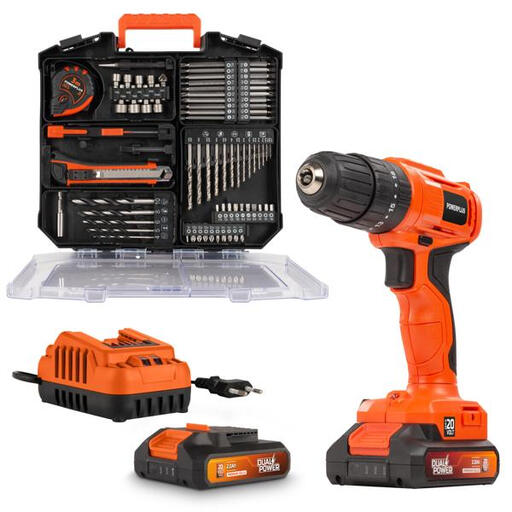
Why it suits this user: This set is designed for occasional jobs around the home and, according to the product specifications, includes two 2,0Ah batteries, a charger and accessories.
The batteries and charger are listed as included, so you shouldn’t need to put together a separate starter kit straight away. Still, check what’s currently included before ordering.
20V, two speeds, 18 torque settings, two batteries and a charger.
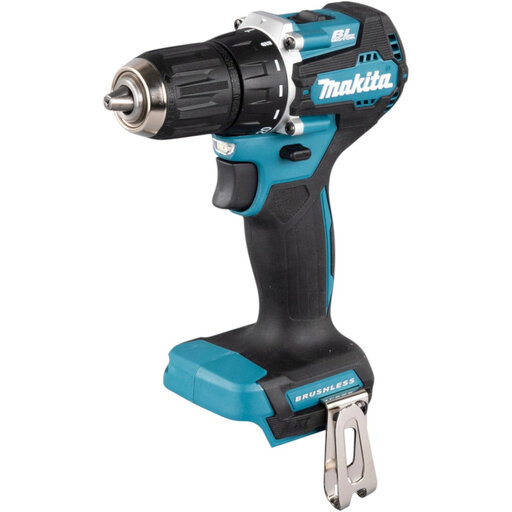
Why it suits this user: This 18V drill combines a brushless motor, two speeds and a 13mm keyless chuck, making it suitable for regular assembly and drilling work.
The specifications list 20 torque settings, a separate drilling setting and overload protection. Please note: the product information gives conflicting details about the batteries, so check whether a battery and charger are actually included.
23/40 Nm, 0–500 and 0–1.700 rpm, drilling capacity up to 36mm in wood and 13mm in steel.
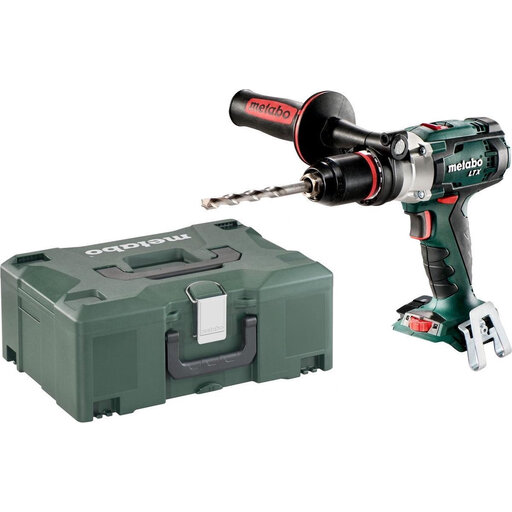
Why it suits this user: This cordless combi drill is aimed at users who regularly work with masonry as well as driving screws and working with wood.
The hammer action is clearly listed as a separate feature, so you can see in advance how it differs from a standard cordless drill/driver. Batteries and a charger aren’t listed as included.
Up to 130 Nm, maximum 16mm in concrete, 65mm in wood and a Metaloc case.
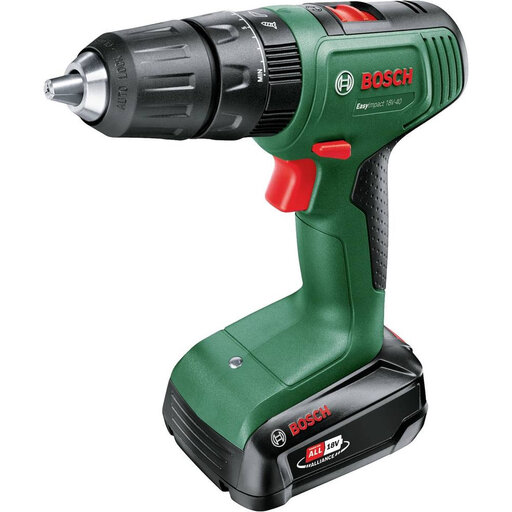
Why it suits this user: The combination of 18V, hammer action, 20 torque settings and an accessory set makes it suitable for a range of jobs in and around the home.
The product specifications list the hammer action, 13mm chuck and 20 torque settings separately. When your order arrives, check that the battery, charger and accessories mentioned are included with your offer.
Two speeds, 20 torque settings, 13mm keyless chuck and SystemBox with accessories, according to the product description.
We’ve put together a complete, up-to-date list of products that meet these strict selection criteria and the applicable European safety regulations.
A cordless drill works best when the tool, drill bit and material are suited to one another. Use a wood bit for wood, a metal bit for steel and a suitable masonry bit for brickwork. Wear safety glasses, and ear protection when using noisy models. Before drilling, check for pipes and cables in the wall.
Remove the battery before changing bits or carrying out maintenance. Store lithium-ion batteries in a dry place, not completely discharged, and don’t leave them in extreme heat or cold for long periods. A cheap drill can end up costing more if you don’t use the battery platform for anything else. So work out the total cost of a drill with battery and charger, any extra batteries and suitable accessories.
For driving screws, furniture, wood, metal and many light assembly jobs, 18V is usually a practical middle ground. For smaller jobs, 12V may be lighter and easier to handle. If you frequently drill into concrete, a separate rotary hammer is often more suitable than a cordless combi drill.
It depends on the battery capacity, material, drill bit size, torque and how long you use the tool for each job. A 2,0Ah battery is usually lighter, while a second battery is handy for longer jobs. Check whether replacement batteries will be available later for the same platform.
Not necessarily. A brushless model may be worth considering for regular or intensive use, given its stated efficiency and lack of traditional carbon brushes. For putting up a shelf now and then or assembling furniture, price, weight and the included batteries may matter more than the motor type.
