
Vandaag of morgen in huis

Kwaliteit gegarandeerd

Welkomstaanbiedingen ontgrendelen: GRATIS bezorging | Tot 80% korting | Gratis 30 dagen JoyPlus-proefperiode
Download de app
Choosing a cordless drill might seem straightforward at first glance. However, models vary greatly in power, run time, drilling capacity and included components. A lightweight cordless drill for assembling furniture isn't automatically suitable for masonry or daily use on a construction site.
Pay close attention to three common pitfalls:
A drill driver is designed for driving screws and drilling into materials like wood, plastic and metal. For occasional assembly, furniture building and putting up shelves, a compact model is often sufficient.
An 18V cordless drill typically offers more power and is suitable for larger wood drill bits, longer screws and regular use. A 12V or 16V model is often lighter and more manageable, which can be an advantage when working above shoulder height or in tight spaces.
If you want to drill into stone or masonry, you'll need a cordless hammer drill. Always check the specified maximum drilling capacity in masonry. For drilling lots of holes in hard concrete, an SDS rotary hammer is usually more suitable than a standard cordless hammer drill.
Torque is expressed in Nm (Newton-metres) and indicates the rotational force the machine can deliver according to its product specification. For driving screws, a high value isn't the only thing that matters. A good clutch with multiple settings helps to prevent damage to screw heads, wood and fixings.
Also, look for:
So, a "powerful cordless drill" isn't automatically the right choice. Look at the combination of torque, speed and features.
The voltage, such as 12V, 16V, 18V, 20V or 24V, gives an indication of the system. Battery capacity is expressed in Ah (amp-hours). According to the product specification, a battery with a higher Ah rating can generally run for longer, but it also often weighs more.
Check before you buy:
The Bosch EasyDrill 18V-38 is listed in the product description with an 18V 2.5 Ah Li-ion battery and charger, while the additional packaging information does not mention a battery. Therefore, always check the current contents on the product page before you order.
A 10 mm chuck is practical for smaller drill bits and driver bits. A 13 mm metal chuck offers more room for larger accessories and may be better suited for more intensive use. Also, check if the machine comes with a case, bit set, extra handle or depth stop.
A cordless drill with accessories might seem appealing, but a large set is only useful if the included bits are right for your jobs. Look at the quality, sizes and application of the accessories, rather than just the number of pieces.
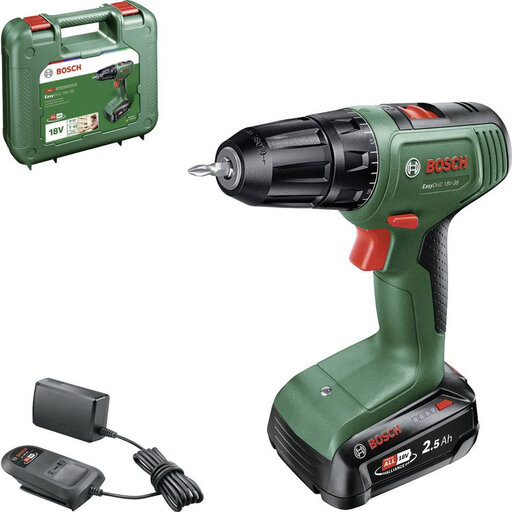
Why this suits the profile: A compact 18V drill driver for assembly, furniture and general DIY jobs in and around the home.
The two gears and 20 torque settings provide more control than a model with just an on/off switch. Do check the final package contents, however.
18V Li-ion platform, 10 mm keyless chuck, two speeds and a specified weight of 800 grams.
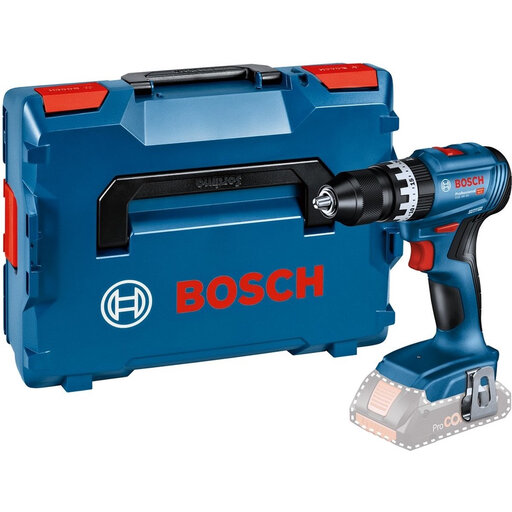
Why this suits the profile: Suitable for users looking for an 18V machine with a hammer function, a metal chuck and a compact design for regular use.
The specifications list the hammer function, drilling capacities and speeds separately. This makes it easier to verify its suitability compared to just a general claim about power.
45 Nm hard torque, 13 mm metal chuck, maximum of 1,900 revolutions per minute and can drill up to 35 mm in wood according to the product information.
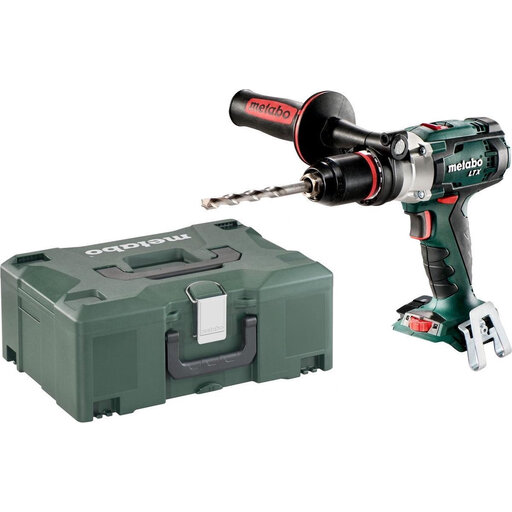
Why this suits the profile: A good choice for renovation, assembly and tougher jobs where the pulse function and hammer drilling are needed regularly.
This is not a lightweight entry-level machine: the specified weight is 3.61 kg and batteries are not listed as included. This makes it clear from the outset what extra investment and physical load you can expect.
18V system, pulse function, maximum specified torque of 130 Nm, hammer rate up to 32,300 per minute and drilling capacity up to 16 mm in concrete.
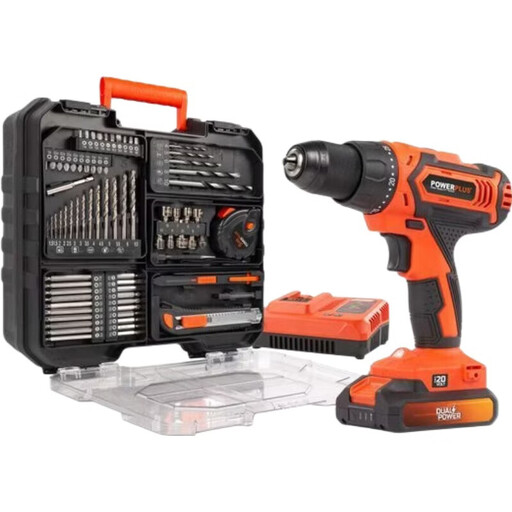
Why this suits the profile: Convenient for household jobs when you want to get started right away with a battery, charger and various bits.
The packaging specifically lists one battery, a charger and 78 accessories. This means you don't have to rely solely on the term 'complete set'.
20V battery, maximum 40 Nm, two speeds, 26 torque settings, work light and a specified set with 78 accessories.
We have compiled a full, up-to-date list of products that fully meet these strict selection criteria and comply with current European safety regulations.
Always use the correct bit or drill bit for the material. When driving screws, start with a low torque setting and only increase it when necessary. Wear safety glasses when drilling, and check for pipes and cables before drilling into a wall.
Remove the battery before changing bits or performing maintenance. Keep ventilation openings clear, store the battery in a dry place and only use a compatible charger. For intensive use, a second battery can limit downtime. According to the product description, a brushless cordless drill can be more energy-efficient, but the run time also depends on the load, battery capacity and material.
Yes, an 18V model is useful for many household jobs, such as assembling furniture, drilling wood and driving screws. Choose a model with a hammer function if you also want to occasionally drill into masonry. Pay attention to the weight if you'll often be using the machine overhead.
That depends on the battery capacity, the material, the diameter of the drill bit and the load. According to the specifications, a battery with more Ah offers more capacity, but is often heavier. For regular work, a second battery can be more practical than just a single, larger one.
According to the product description, a brushless motor can contribute to a longer run time and lifespan. The added value is particularly relevant for regular or intensive use. For a few assembly jobs a year, a standard drill driver with a suitable battery may be sufficient.
