
Vandaag of morgen in huis

Kwaliteit gegarandeerd

Welkomstaanbiedingen ontgrendelen: GRATIS bezorging | Tot 80% korting | Gratis 30 dagen JoyPlus-proefperiode
Download de app
A bottle of cordial syrup might seem simple to choose, but labels and marketing claims can make all the difference. Whether you’re looking for a fruit syrup for everyday water, a sugar-free syrup or a flavour for cocktails and desserts, don’t just focus on the front of the bottle.
Three common pitfalls to watch out for:
The ratio determines the flavour, the number of glasses and the cost per serving. Many products recommend 1 part syrup to 9 parts water. Other varieties might use, for example, 1 part syrup to 11 parts water.
A 600 ml bottle used at a 1:9 ratio yields around 6 litres of drink. At a 1:11 ratio, a 650 ml bottle can produce around 8 litres according to the product information. Use the recommended ratio as a starting point and then adjust to taste.
For families, it’s wise to compare the contents with the number of glasses. This way, you avoid a smaller bottle with a low purchase price actually working out more expensive per litre.
If you want to reduce your sugar intake, you can opt for syrup without sugar or a variety with a low stated energy content. Always check the nutritional information table. A product might, for example, contain 0 grams of sugar but still use sweeteners.
Some examples from the range:
Pay attention to the difference between the nutritional values of the syrup and those of the prepared drink. Dilution changes the amount of sugar and energy per glass.
Ingredients are listed in descending order of quantity. With a fruit syrup, it’s useful to check:
Many of the products mentioned state that they contain none of the 14 main EU allergens. However, it’s still sensible to check the actual packaging, especially if recipes have changed. Douwe Egberts Hazelnut Coffee Syrup, for example, lists hazelnut as an allergen.
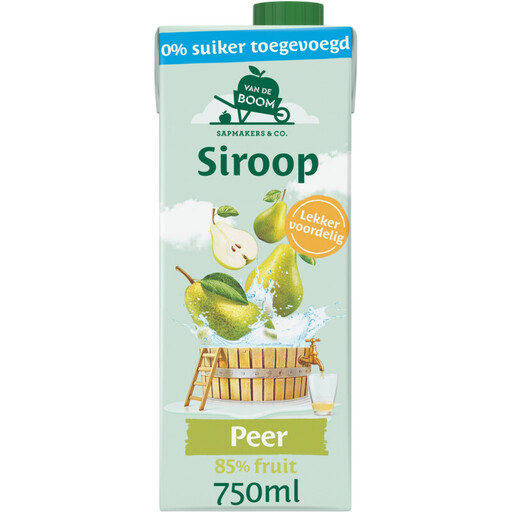
Why this fits the profile: The bottle is suitable for everyday use and the product information states approximately 30 glasses of cordial per pack. The ingredients list shows 85% fruit juice from concentrate and 0% added sugars.
The yield per bottle is clearly stated. This means you can compare the contents and number of glasses rather than just looking at the bottle price.
750 ml content; stated nutritional value of 40 kcal and 8.5 g sugar per 100 ml; suitable for water or sparkling water.
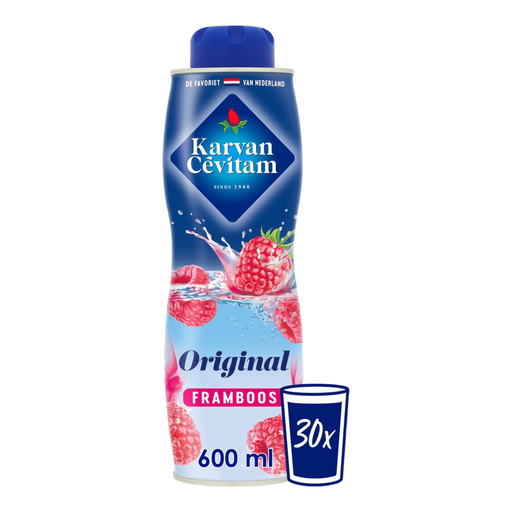
Why this fits the profile: This fruit syrup is designed for consumers who want a pronounced fruit flavour and a consistent preparation method. The product information states a maximum of 6 litres of drink per bottle.
The 1:9 ratio and the number of glasses are clearly stated. The nutritional information is also provided, so sugar and energy content factor into your purchase decision.
75% fruit juice from concentrate according to the ingredients list; 600 ml content; added vitamin C according to the product information.
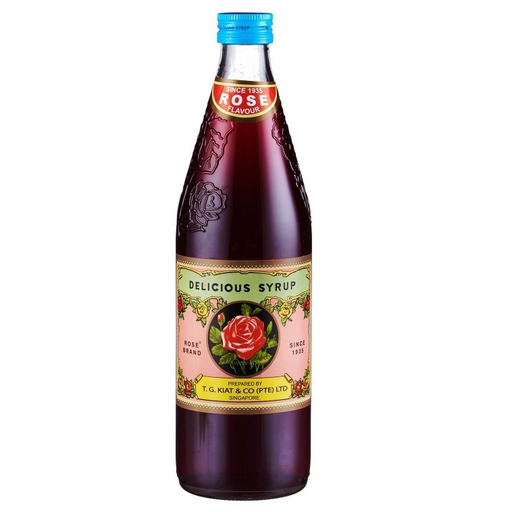
Why this fits the profile: This rose syrup is for those who want more than just ordinary cordial. According to the product description, it can be used in water, milk, cocktails, desserts, baking and ice cream.
Its use isn’t limited to syrup for water. Thanks to its sweet, floral flavour, you can use small amounts for multiple recipes, but check the high sugar content beforehand.
750 ml content; suitable for cocktails and desserts; stated nutritional value of 78 g sugar per 100 ml.
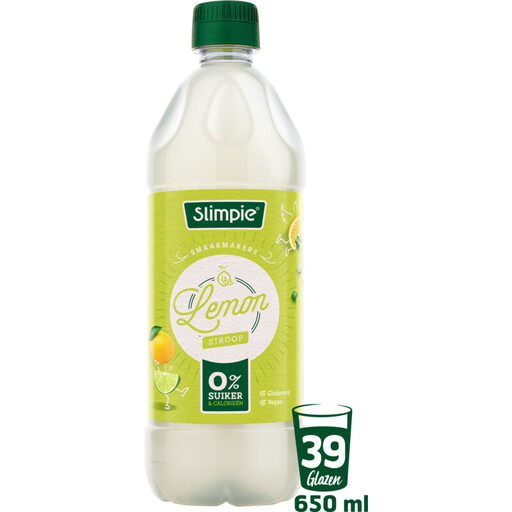
Why this fits the profile: The product information states 0 grams of sugar and 1 kcal per 100 ml of syrup. The recommended 1:11 ratio can yield approximately 39 glasses.
The nutritional values and dilution ratio are clearly provided. Do check the label for which sweeteners have been used before you order.
0 grams of sugar according to the product information; 650 ml content; suitable for water and sparkling water.
Not every cordial syrup is intended for the same use. A citrus variety works naturally in sparkling water, mocktails and cocktails. A syrup for desserts can be thicker and sweeter. For coffee, a dedicated coffee syrup is more practical, such as Douwe Egberts Hazelnut Coffee Syrup in 250 ml. The product information lists hazelnut flavour and hazelnut as an allergen.
For an iced tea flavour, you could look at varieties with tea extract, such as Karvan Cevitam Ice Tea Peach Syrup. The stated ratio is 1:9 and the product information mentions around 30 glasses per bottle. When using it for children or guests, always check the ingredients and allergens on the packaging.
Store opened syrup according to the instructions. Many bottles need to be refrigerated after opening and used within the stated period. Seal the bottle properly and do not use any product where the seal was damaged.
We’ve put together a full, up-to-date list of products that fully meet these strict selection criteria and comply with current European safety regulations.
Start with the ratio on the label, often 1 part syrup to 9 parts water. Stir or shake well and then taste. Add a little more syrup for a stronger flavour. Sparkling water gives a different texture to still water; add the sparkling water slowly to limit fizzing.
This varies by brand and product. Store the bottle according to the label, usually tightly sealed in the fridge. Check the stated period after opening and look out for changes in smell, colour and appearance. The shelf-life information on the packaging is the best guide.
Not always, but many sugar-free varieties are low in calories. Check the nutritional information table per 100 ml and also look at the sweeteners used. Also compare the dilution ratio, as this determines how much syrup ends up in each glass.
