
Vandaag of morgen in huis

Kwaliteit gegarandeerd

Welkomstaanbiedingen ontgrendelen: GRATIS bezorging | Tot 80% korting | Gratis 30 dagen JoyPlus-proefperiode
Download de app
A bottle of cordial syrup might seem simple to choose. Yet differences in sugar content, dilution ratio and bottle size can have a big impact on flavour, ease of use and cost per glass. A syrup with an appealing front label isn’t automatically right for your household.
Watch out for these common pitfalls:
The dilution ratio determines how much drink you get from one bottle. Karvan Cevitam Multifruit Syrup (600 ml) is mixed at a ratio of 1 part syrup to 9 parts water, according to the product information. This gives you up to approximately 6 litres or 30 glasses.
Slimpie Lemon Syrup (650 ml) uses a ratio of 1 part syrup to 11 parts water. According to the product information, one bottle yields around 8 litres or 39 glasses. That ratio could be interesting for families or households where cordial is drunk every day.
So don’t just compare the bottle price – also compare:
A stronger syrup can be handy for cocktails or desserts, while a milder one may be more pleasant for everyday use.
If you want to use less sugar, you can choose a sugar-free syrup. The product information for Slimpie Forest Fruit Syrup states 0 grams of sugar and around 1 kcal per 100 ml of syrup. Karvan Cevitam Multifruit Zero also states 0% sugar and 0 calories in the product description; the nutritional information additionally lists 0.5 grams of sugar and 8 kcal per 100 ml of syrup. Always check the current packaging.
With regular syrups, the values vary more widely. JENI Jasmine Green Tea Syrup lists 63 grams of sugar per 100 grams, while Van de Boom Pear Syrup contains 8.5 grams of sugar per 100 ml, according to the product information. The difference is partly due to the composition and how the syrup is diluted.
Also look out for the phrase “no added sugars”. This doesn’t automatically mean the product contains no sugars. Van de Boom Pear Syrup, for example, states 0% added sugars, but according to the product data it contains naturally occurring sugars from fruit.
For simple cordial, fruity flavours such as mixed fruit, lemon, blackcurrant, peach or strawberry usually work well. For other uses, specific syrups are more suitable:
For vegan requirements, check the product information. JENI Jasmine Green Tea Syrup is described as suitable for vegetarians and vegans. Recipes for other products may change; the packaging remains the definitive source.
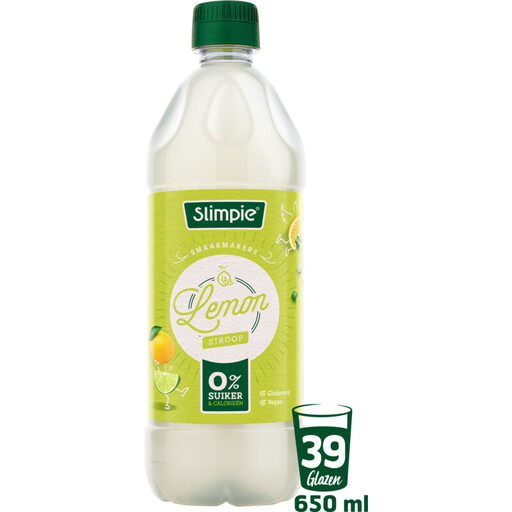
Why this fits the profile: The bottle is designed for everyday use and, according to the product information, makes around 39 glasses of cordial. The lemon flavour is easy to combine with still or sparkling water.
The yield and dilution ratio are clearly stated. This means you can estimate the cost per glass more accurately than by looking at the bottle size alone.
0 grams of sugar and 0 kcal according to the product data; dilution ratio 1:11; vegan and gluten-free as described.
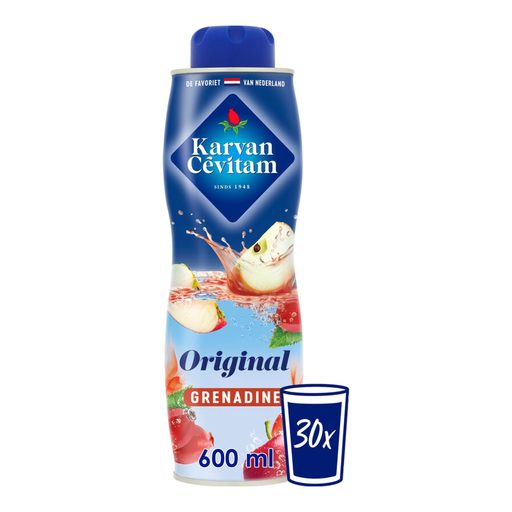
Why this fits the profile: This fruit syrup suits shoppers looking for a recognisable, fruity flavour for cordial, mocktails and sparkling water.
The product information states 75% fruit from juice concentrate, a dilution ratio of 1:9 and around 30 glasses per bottle. This makes the flavour profile and yield clearer upfront.
75% fruit from concentrate as described; source of vitamin C according to the product information; suitable for drinks and mocktails.
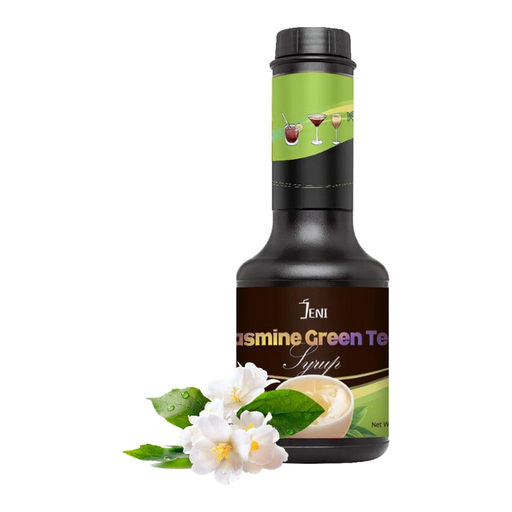
Why this fits the profile: The jasmine and green tea flavour is aimed at bubble tea, iced tea, milk tea, cocktails and desserts.
The use isn’t limited to ordinary cordial. According to the description, you can mix the syrup with water, tea or milk and adjust the flavour to taste.
600 gram content; suitable for hot and cold drinks; according to the product information, suitable for vegetarians and vegans.
We’ve put together a full, up-to-date list of products that fully meet these strict selection criteria and comply with current European safety regulations.
Always follow the dilution ratio on the packaging. Too much syrup makes a drink unnecessarily sweet and reduces the yield. Use a measuring cap or measuring spoon for a consistent flavour, especially with cocktails and bubble tea.
Once opened, cordial syrup often needs to be stored in the fridge. Close the bottle tightly and check the best-before or use-by period on the label. If a product is no longer properly sealed, smells unusual or the packaging is damaged, do not use it.
For allergies and dietary choices, check the current ingredients list. Product information can change, and allergen information on a webpage may not always be complete.
Look at the nutritional values per 100 ml, not just the front of the bottle. Slimpie Lemon, Slimpie Forest Fruit and Karvan Cevitam Multifruit Zero state little to no sugar according to the product data provided. These products do contain sweeteners. If you want to avoid those, it’s better to choose a syrup whose ingredients list matches your preference.
That depends on the dilution ratio. Karvan Cevitam states around 30 glasses per bottle at 1:9. Slimpie Lemon states around 39 glasses at 1:11. Always check whether the stated number is based on a 200 ml glass, then compare the price per litre of prepared drink.
Yes, but choose a flavour that’s intended for that purpose. JENI Jasmine Green Tea Syrup is described as suitable for bubble tea, milk tea, iced tea, cocktails and desserts. Fruity varieties such as mango, passion fruit, strawberry and peach can be used in cocktails or mocktails. Start with a small amount and add more to taste.
