
Vandaag of morgen in huis

Kwaliteit gegarandeerd

Welkomstaanbiedingen ontgrendelen: GRATIS bezorging | Tot 80% korting | Gratis 30 dagen JoyPlus-proefperiode
Download de app
Cordial syrup sounds simple enough: a splash of syrup, some water, and you're done. Yet products vary enormously in flavour, ingredients, yield and how you use them. A cheap bottle can actually work out less economical if you need a lot of syrup. What's more, terms like "fruity", "natural" or "sugar-free" can paint a very different picture from the nutritional information panel.
With this buying guide, you can compare cordial syrups on the points that really matter. That way, you'll find the right syrup for squash, sparkling water, cocktails or desserts – without relying solely on what's written on the front of the bottle.
The volume doesn't tell you how many glasses you can make. Always check the recommended dilution ratio. Slimpie Lemon Syrup (650 ml) uses a ratio of 1 part syrup to 11 parts water, according to the product information. That means one bottle should yield around 8 litres of drink. Karvan Cevitam Grenadine uses a 1:9 ratio and states a yield of up to 6 litres.
So when comparing prices, don't just look at millilitres – compare the number of glasses or litres of ready-to-drink squash.
A fruit syrup can contain fruit juice, concentrate, flavouring, or a combination of these. Check the ingredients list to see the difference. Slimpie Raspberry, for example, states 5% fruit juice from concentrate, while Karvan Cevitam Grenadine contains 75% fruit juice from concentrate according to its product information. These are very different products with different flavour profiles and sugar levels.
Also pay attention to the order of ingredients. Ingredients are usually listed from highest to lowest quantity.
A sugar-free syrup contains no sugar according to the label, but may still contain sweeteners. Slimpie Forest Fruit states 0 grams of sugar and 1 kcal per 100 ml of product. The product information for Slimpie Orange Raspberry shows 0.3 grams of carbohydrates and 7 kcal per 100 ml. Always check the actual packaging and the nutritional values per 100 ml.
g'woon Reine Claude lists 2.7 grams of sugar per 100 ml, while the ingredients list mentions glucose-fructose syrup and sweeteners. "No added sugars" does not automatically mean a product contains no sweet ingredients or sugar-like carbohydrates.
For everyday family use, dilution ratio and yield are often more important than the bottle size. A syrup for water with a 1:9 ratio differs from a concentrated syrup for sparkling water with a 1:11 ratio.
Use a measuring cap or measuring spoon if you want a consistent flavour. With sparkling water, it's best to add the syrup to the glass first, then slowly pour in the fizzy water. This helps reduce excessive foaming.
Compare at least:
A regular fruit syrup like JENI Peach contains around 65 grams of sugar per 100 grams of syrup, according to the product information. A sugar-free version may contain less sugar, but can have a different sweetness level or aftertaste. So choose based on your preference and how you'll use it, not just on a single claim on the front.
Always check the ingredients and allergen information on food products. The products mentioned generally do not contain any of the 14 main EU allergens, but Taksi Dragon Fruit and Taksi Orange contain milk derivatives. Product information can change, so check the packaging at the time of purchase.
Once opened, many cordial syrups need to be stored in the fridge. Pay attention to the shelf life after opening, keep the bottle tightly closed, and don't use any product where the seal was damaged. A syrup you only use occasionally needs more attention to storage instructions than a bottle that's finished every day.
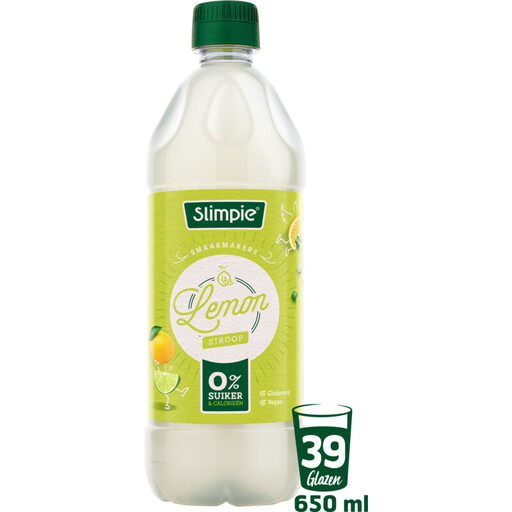
Why this fits the profile: A practical choice for anyone who makes squash regularly and values a clear dilution ratio. According to the product information, one bottle is good for around 39 glasses.
The yield and ratio are clearly stated in the product information, so you can better estimate the cost per glass.
0 grams of sugar and 1 kcal per 100 ml according to the label; suitable for water and sparkling water.
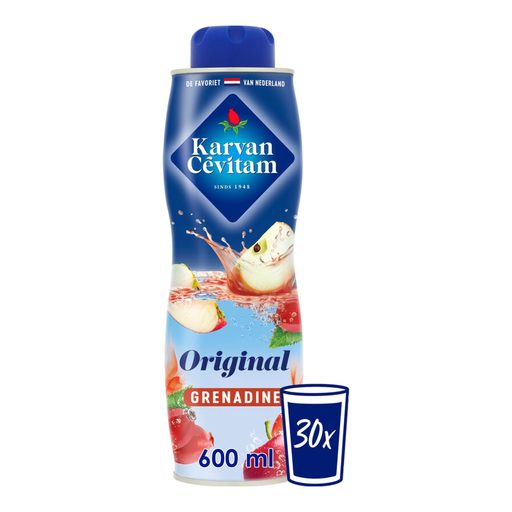
Why this fits the profile: Ideal for shoppers looking for a fruitier syrup for squash and mocktails. According to its own product information, the syrup contains 75% fruit juice from concentrate.
The fruit percentage and recommended 1:9 ratio give you more certainty than the term grenadine syrup alone.
Up to around 6 litres of ready-to-drink beverage; also works with sparkling water and in mocktails.
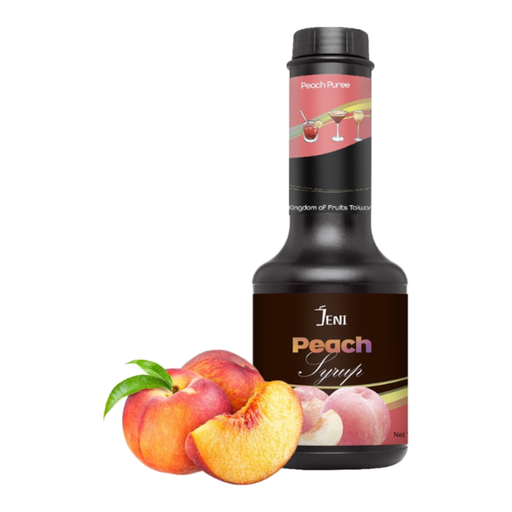
Why this fits the profile: A handy option if you want peach syrup not just for squash, but also for cocktails and desserts.
The product description mentions multiple uses, so you don't have to use the bottle for just one type of drink.
Suitable for water, sparkling water, cocktails and desserts; 456 ml and 600 g of product.
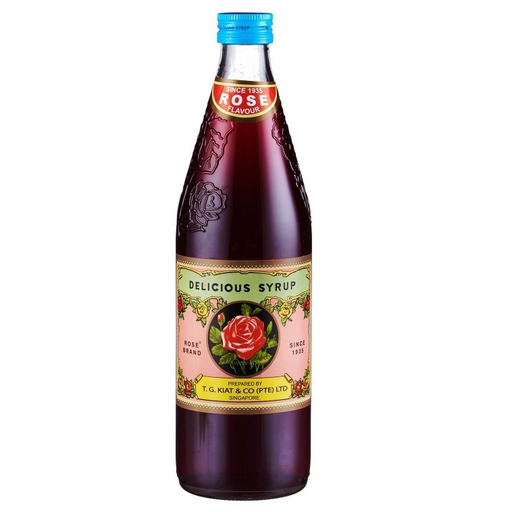
Why this fits the profile: An obvious choice if you're after rose or floral flavours for drinks, cocktails, desserts and baking.
The product description mentions various uses. Do check the high sugar content of 78 grams per 100 grams if using it in multiple recipes.
750 ml volume; according to the product information, suitable for water, fizzy drinks, milk, cocktails and desserts.
We've put together a full, up-to-date list of products that fully meet these strict selection criteria and current European safety regulations.
Follow the dilution ratio on the label. With a 1:9 ratio, for example, use 1 part syrup to 9 parts water. Taste it, then adjust the ratio if needed. For sparkling water, cold water works best; add the fizzy water slowly to reduce foaming.
Sugar-free options like Slimpie Forest Fruit and Slimpie Lemon state 0 grams of sugar per 100 ml of product, according to the product information. Also check the sweeteners used, energy per 100 ml and the nutritional value of the ready-to-drink beverage. A syrup with fruit juice can still contain natural sugars.
This varies by product. Many cordial syrups need to be stored in the fridge after opening and used within the period stated on the packaging. Close the bottle immediately after use and check the smell, colour and packaging. The shelf-life information on the label is what you should follow.
