
Vandaag of morgen in huis

Kwaliteit gegarandeerd

Welkomstaanbiedingen ontgrendelen: GRATIS bezorging | Tot 80% korting | Gratis 30 dagen JoyPlus-proefperiode
Download de app
A bottle of cordial syrup might seem simple to choose, but marketing copy can sometimes make comparisons tricky. A striking fruit flavour, for example, doesn't tell you much about the sugar content. Likewise, a large bottle isn't automatically better value: the yield depends on the recommended dilution and the amount of syrup per glass.
For families, calorie- and sugar-conscious shoppers, and small catering businesses, there are three main pitfalls to watch out for:
Look at the nutritional information per 100 ml or 100 g and check in particular:
A sugar-free syrup can be a good option if you want to limit your sugar intake. However, the taste and sweetness level may differ from a traditional fruit syrup. Some products state “0% sugar” on the product information, even though sweeteners are part of the recipe.
For a product with fruit in its name, it’s wise to check the ingredients. For example, the product information for Teisseire Strawberry Raspberry Syrup states 15.5% fruit juice from concentrate. Karvan Cevitam Grenadine Syrup states 75% fruit juice from concentrate, mainly apple, according to the product information. That tells you something about the composition, but it doesn’t automatically mean everyone will experience the flavour the same way.
The mixing ratio determines how many glasses you actually make. Karvan Cevitam recommends 1 part syrup to 9 parts water, according to the product description. One 600 ml bottle is therefore good for up to 6 litres of cordial, or roughly 30 glasses.
Slimpie Lemon Syrup uses a ratio of 1 part syrup to 11 parts water, according to the product information. The 650 ml bottle would therefore yield almost 8 litres, good for around 39 glasses. So don’t just compare 600 ml of syrup with 750 ml of syrup – also work out the number of servings and the price per litre of prepared drink.
For home use, a measuring cap or measuring jug is handy. Without a fixed dosage, a bottle can empty more quickly and the taste can vary from glass to glass.
Not every syrup is intended for the same purpose. Pay attention to the product description:
An Asian syrup such as JENI Passion Fruit Syrup, mango syrup or peach syrup can be interesting for bubble tea, mocktails and sweet drink recipes. Always check the instructions on concentrated products to dilute them first.
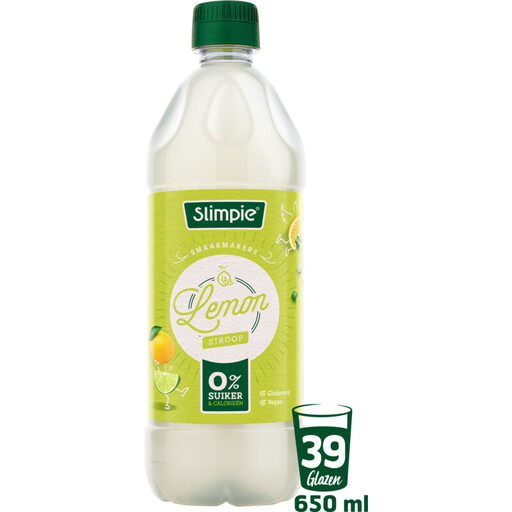
Why this fits the profile: The lemon flavour and the stated mixing ratio of 1+11 make this a practical choice for anyone wanting to prepare lots of glasses from one bottle.
The product information states both 0 grams of sugar and a concrete yield of around 39 glasses. This means you can better estimate the sugar content and cost per use in advance.
0% sugar according to the product information, approximately 1 kcal per 100 g and suitable for still or sparkling water.
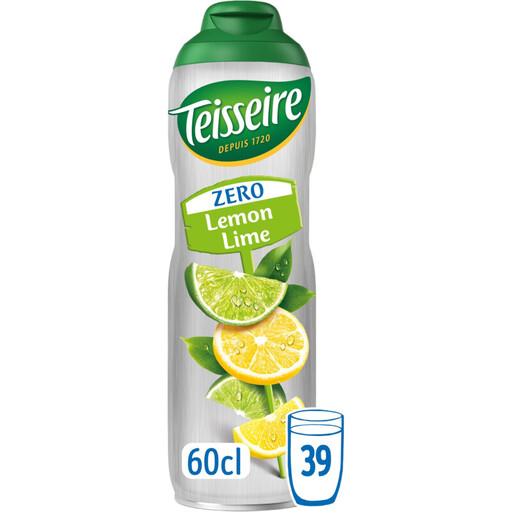
Why this fits the profile: This citrus variant is ideal for shoppers who pay attention to the combination of fruit juice, calories and versatile use in water, cocktails or desserts.
The product information states 20% fruit juice from concentrate and less than 0.5 grams of sugar per 100 ml. That gives you more certainty than just the term “zero sugar”.
600 ml volume, 23 kcal per 100 ml according to the product information and sweeteners such as sucralose and steviol glycosides.
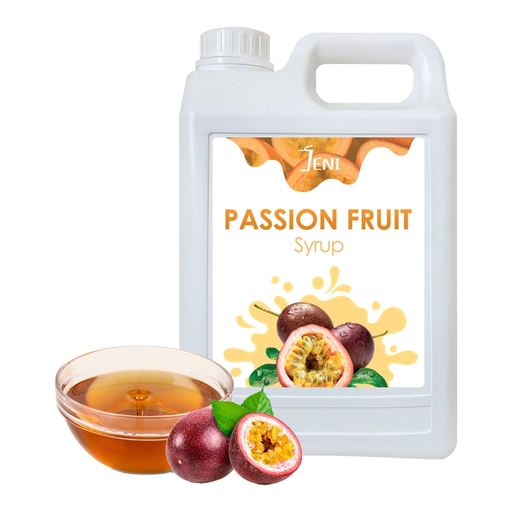
Why this fits the profile: The large pack is aimed at frequent use, for example for a family, party, mocktail bar or small catering business with passion fruit as a regular flavour.
The 1.9 litre volume is clearly stated. This makes it easier to assess usage and stock levels than with several small bottles.
1.9 litre volume, passion fruit flavour and according to the product information 252 kcal and 33 grams of sugar per 100 grams.
We’ve put together a full, up-to-date list of products that fully meet these strict selection criteria and comply with current European safety regulations.
That varies by brand and flavour. With a ratio of 1:9, you’ll need about 20 ml of syrup for 200 ml of water. With 1:11, roughly 17 ml of syrup is needed for 200 ml of water. Always check the label and adjust the amount to your taste. With sparkling water, the flavour experience can be different from still water.
Follow the storage instructions on the packaging. Many products need to be refrigerated after opening and used within the stated period. Close the bottle tightly after each use and do not use the product if the seal was damaged when you bought it. For Asian syrups, the instructions may differ, so check the label.
Not every sugar-free syrup has exactly the same nutritional value, but many varieties are low in calories because sugar is replaced by sweeteners. Slimpie Lemon Syrup states 0 grams of sugar and approximately 1 kcal per 100 grams, according to the product information. Teisseire Lemon Lime Syrup states less than 0.5 grams of sugar and 23 kcal per 100 ml. Compare the nutritional information table for each product and also pay attention to the recommended dilution.
