
Vandaag of morgen in huis

Kwaliteit gegarandeerd

Welkomstaanbiedingen ontgrendelen: GRATIS bezorging | Tot 80% korting | Gratis 30 dagen JoyPlus-proefperiode
Download de app
As a Joybuy Product Recommendation Officer, I see how challenging it can be to select the right bottle of cordial from a crowded shelf. The packaging might promise the world, but the contents can sometimes disappoint. Before you buy another bottle that ends up forgotten in the back of the cupboard, let's discuss the most common pitfalls that cost you unnecessary money.
To make a smart choice, you only need to pay attention to a few specifications on the label. This will help you separate marketing jargon from facts.
The conversation around sugar is everywhere. With cordials, it's important to know what you're drinking. Check the nutritional table and look for "Carbohydrates, of which sugars".
A syrup's flavour is determined by its ingredients, and the differences can be significant.
This might be less critical for a simple thirst-quencher, but for a cocktail syrup or a refined dessert, the quality of the flavour can make all the difference. A good strawberry syrup or grenadine for cocktails needs a deep, authentic taste.
This is the key to a cost-effective purchase. The dilution ratio, for example 1+7, means you mix 1 part syrup with 7 parts water. A higher ratio (like 1+11) means you get far more drink from a single bottle.
Example Calculation:
Despite its smaller volume, Bottle B yields significantly more glasses of cordial.
Below are a few choices that suit different needs, based on their specifications.
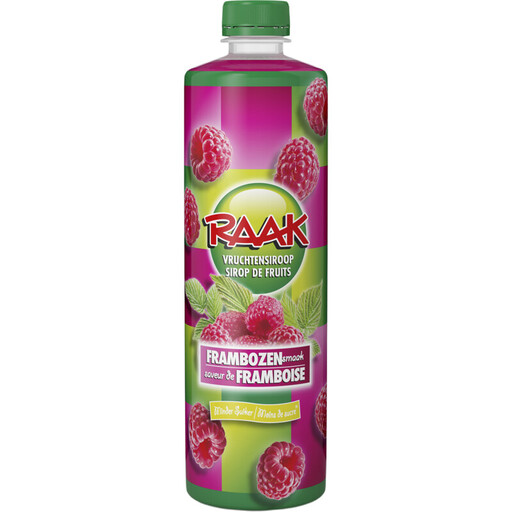
Why This Fits Their Persona: This is a classic choice for Dutch families. The raspberry flavour is a favourite with children, and the bottle offers a good amount of cordial for an affordable price. Ideal for daily use and birthday parties.
The packaging clearly states that you can get 30 glasses from the bottle. This helps you avoid the "price-per-glass trap" by allowing you to assess its value immediately. The "reduced sugar" claim is supported by a mix of sugar and sweeteners.
Contains 13% fruit juice from concentrate. The familiar taste of Raak syrup and the clear yield per bottle make it a reliable choice.
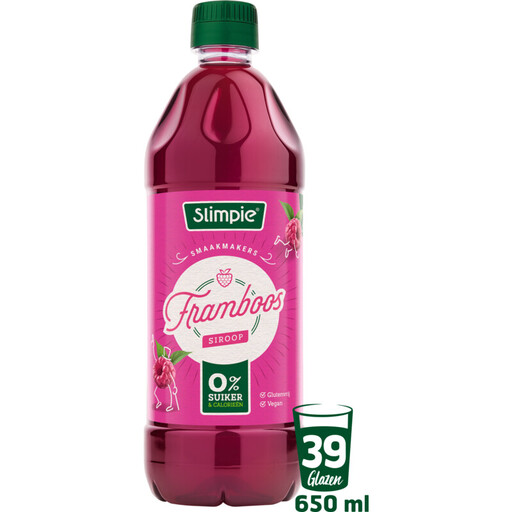
Why This Fits Their Persona: For anyone who wants the flavour without the sugars or calories. This syrup is a perfect solution for a health-conscious lifestyle, without compromising on a sweet and fruity drink.
This product completely bypasses the "hidden sugar" trap. The claim is clear: 0% sugar and 0% calories. This is a genuine sugar-free syrup, not a misleading "reduced sugar" version.
The dilution ratio of 1+11 is highly efficient, resulting in almost 8 litres of drink per bottle. That's excellent value per glass.
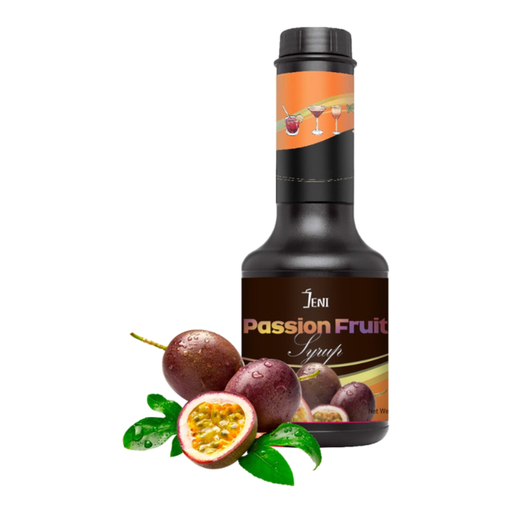
Why This Fits Their Persona: For those who want something different from the standard flavours. This passion fruit syrup is perfect for creating summery mocktails, cocktails, or as a flavouring in desserts and baked goods.
This product avoids the "fruit illusion" by offering a specific, exotic flavour you won't easily find in a standard fruit syrup. You buy this for its unique taste, not as a generic thirst-quencher.
Offers an intense and authentic passion fruit flavour that is highly versatile. The ingredients list mentions passion fruit juice, which contributes to its depth of flavour.
We have compiled a complete, up-to-date list of products that meet these selection criteria.
Most manufacturers recommend storing the syrup in the refrigerator after opening and consuming it within a certain period. This period varies but is often around 30 days. Always consult the label on the bottle for specific storage instructions.
Although they are both red, they differ in taste. Strawberry syrup, as the name suggests, is made to taste like strawberries. Grenadine is traditionally a syrup made from pomegranates, although many modern versions use a mix of red fruits (like apple, elderberry, and rosehip) for a sweet-and-sour, fruity flavour that is distinct from pure strawberry.
Absolutely. Mixing cordial with sparkling water is a simple way to make your own fizzy drink. It adds a refreshing twist to standard diluted cordial. Start with a small amount of syrup and add more to taste, as the carbonation can affect the flavour perception.
