
Vandaag of morgen in huis

Kwaliteit gegarandeerd

Welkomstaanbiedingen ontgrendelen: GRATIS bezorging | Tot 80% korting | Gratis 30 dagen JoyPlus-proefperiode
Download de app
A bottle of cordial might seem like a simple choice, but the differences between products are significant. Some cordials are designed to be diluted with water, while others are ready to drink straight or can be mixed with sparkling water. Terms like fruit syrup, 0% sugar, “with fruit” and “30 glasses per bottle” don’t tell the full story.
So, watch out for these three common pitfalls:
For everyday use in a British household, the key factors are flavour, mixing ratio, sugar content and shelf life after opening. If you simply want to add some taste to water, a water cordial could be the answer. For a birthday, barbecue or children’s party, the yield per bottle is often the deciding factor.
Also, bear in mind the difference between cordial and ready-to-drink fizzy pop. Schweppes Mojito Zero, for instance, comes as 6 bottles of 330 ml and doesn’t need diluting. That’s handy for a party, but the price per litre is often different from that of a concentrated squash.
The mixing ratio determines how much drink you actually get. According to the product information, Slimpie Lemon and Slimpie Raspberry use a ratio of 1 part cordial to 11 parts water. One 650 ml bottle is said to be good for around 39 glasses.
Karvan Cevitam Blackcurrant, Raspberry, Tropical and Grenadine recommend a ratio of 1 part cordial to 9 parts water. The manufacturer states up to 30 glasses of 200 ml per bottle. It’s best to use a measuring cap or a fixed measuring cup. An extra splash of cordial makes the drink sweeter, but reduces the yield.
Always compare the nutritional value per 100 ml of the product and check how the manufacturer has set out the table. A cordial with no added sugar can still contain naturally occurring sugars from fruit.
For Slimpie Lemon and Slimpie Raspberry, the product information states 0 grams of sugar and around 1 kcal per 100 ml. The ingredients do, however, contain sweeteners. Van De Boom Pear states 0% added sugars, 85% fruit and around 8.5 grams of sugar per 100 grams. According to the product description, these are naturally occurring sugars.
Karvan Cevitam cordial contains around 55 grams of sugar per 100 grams of cordial, according to the stated nutritional information. You shouldn’t compare this figure directly with a prepared glass of squash, because the product is diluted first.
Check the ingredients if you’re looking for a vegan, gluten-free or allergen-free option. Many products in this selection don’t list any of the 14 major EU allergens. Taksi Dragon Fruit Cordial is an exception: the product information states 40% milk constituents and “contains milk”.
Once opened, most cordials need to be stored in the fridge. Slimpie, for example, states a maximum of 7 °C and use within the specified period after opening. Other products advise that you should close the bottle tightly, store it in a cool place and follow the instructions on the packaging. The best-before date and storage instructions on the label are what you should follow.
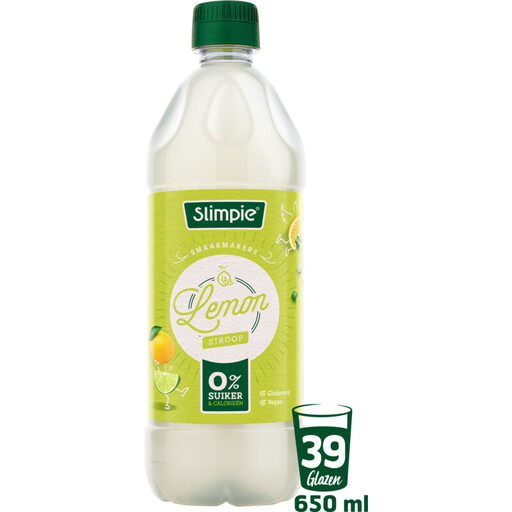
Why this fits the profile: This lemon cordial is ideal if you want to make lots of glasses from one bottle and are watching your sugar intake.
The product information clearly states the 1:11 ratio, around 39 glasses and 0 grams of sugar per 100 ml.
0 grams of sugar according to the label, listed as vegan and also suitable for sparkling water.
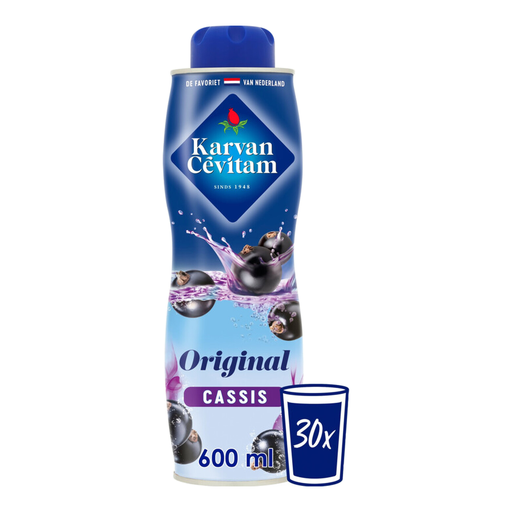
Why this fits the profile: A blackcurrant cordial with a clear emphasis on fruit for those who love a full fruit flavour.
The product description states 75% fruit juice from concentrate and a fixed mixing ratio of 1:9.
Up to 30 glasses per bottle and, according to the product information, a source of vitamin C.
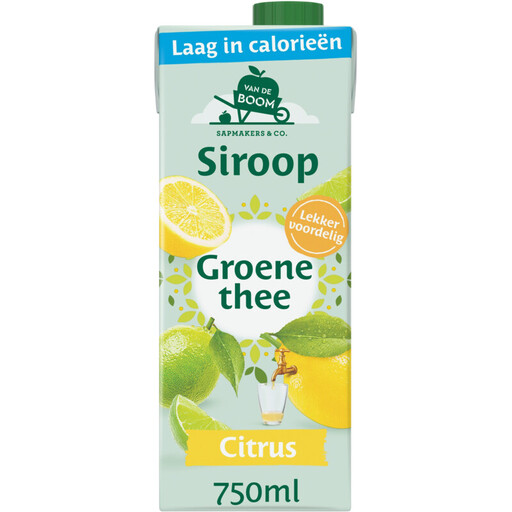
Why this fits the profile: Handy for families, sports canteens or parties where you need several jugs of squash.
The packaging states a concrete yield of around 30 glasses from 750 ml.
Citrus and green tea flavour, around 30 glasses and a nutritional value of 9.6 grams of sugar per 100 grams of product.
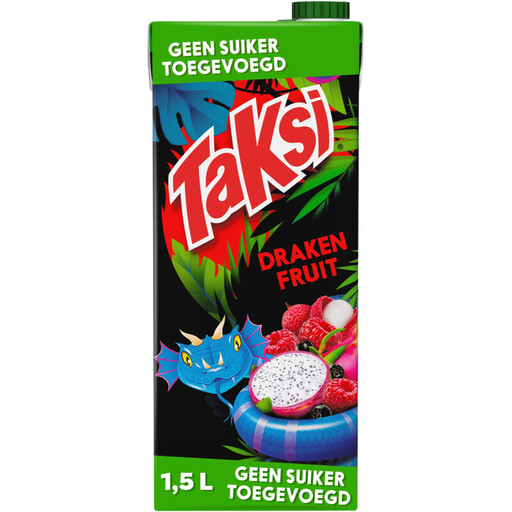
Why this fits the profile: For anyone looking for a ready-to-drink fruit drink with dragon fruit, raspberry and lychee instead of a classic concentrated squash.
The product details make it clear that this is a drink with milk constituents and not a vegan cordial for water.
1.5 litres, 11 kcal per 100 ml according to the product information and a fruit combination with vitamin C.
We’ve put together a full, up-to-date list of products that fully meet these strict selection criteria and comply with current European safety regulations.
Many cordials can be mixed with sparkling water, but do check the product description. Slimpie Lemon, Slimpie Raspberry and several Karvan Cevitam flavours mention sparkling water as a possible use. Add the cordial slowly to chilled sparkling water to prevent excessive frothing.
This varies by brand. Most products need to be stored in the fridge after opening and used within the period stated on the label. Close the bottle immediately after use and don’t use any product where the cap, seal or smell seems off.
Not always to the same degree, but many sugar-free cordials are low in calories because sugar is replaced by sweeteners. Check the nutritional information table and ingredients list. “No added sugar” is also different from “0% sugar”: fruit can naturally contain sugars.
