
Vandaag of morgen in huis

Kwaliteit gegarandeerd

Welkomstaanbiedingen ontgrendelen: GRATIS bezorging | Tot 80% korting | Gratis 30 dagen JoyPlus-proefperiode
Download de app
A good cooking sauce can be a lifesaver on a busy weekday. Quickly boil some pasta or stir-fry some vegetables, add the sauce, and you're done. But the aisle of ready-made cooking sauces is vast, and not every jar or bottle lives up to its promise. As a Product Recommendation Officer at Joybuy, I see the challenges consumers face every day. Before you toss a random pasta sauce or wok sauce into your basket, it's wise to be aware of a few common pitfalls.
Many packages scream for attention with terms like "authentic" or "traditional." Unfortunately, these marketing claims sometimes hide disappointing contents. These are the three most common mistakes:
You don't need to be a label expert to avoid a bad purchase. By paying attention to three simple things, you can make a much better choice.
The order of the ingredients list is crucial. The ingredient listed first is the most abundant.
A quick glance at the nutritional table provides a lot of insight. Compare products based on the values per 100g (or ml).
Not every sauce has the same texture. A carbonara sauce should be creamy and thick, while a teriyaki sauce for marinating is often thinner. A product with 'mix' or 'base' in its name, like the mixes from Honig, is often a concentrated powder that you need to dilute yourself. A ready-to-use pasta sauce in a jar is ready for immediate use. Choose the texture that suits the dish you want to make.
To help you get started, we have highlighted a few popular choices that suit different cooking styles and needs.
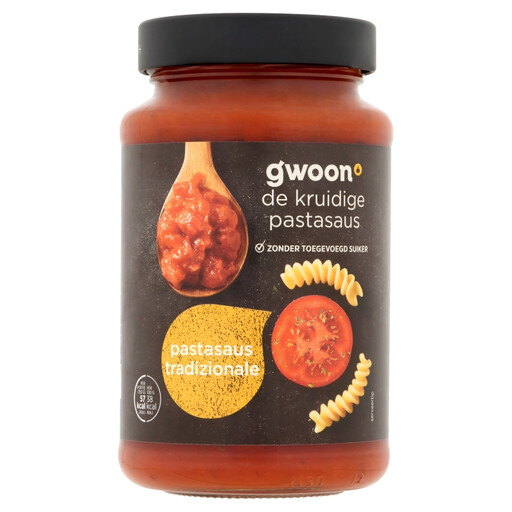
Why This Fits Their Persona: Ideal for those who want to put a familiar and flavourful meal on the table quickly after a long day at work. No fuss, just a great base for a classic spaghetti or lasagne.
This sauce avoids the hidden sugar trap; there are no added sugars. The base is 79% tomato, so you're paying for flavour, not water.
A versatile and neutral tomato base that you can season further yourself. Contains no added sugars.
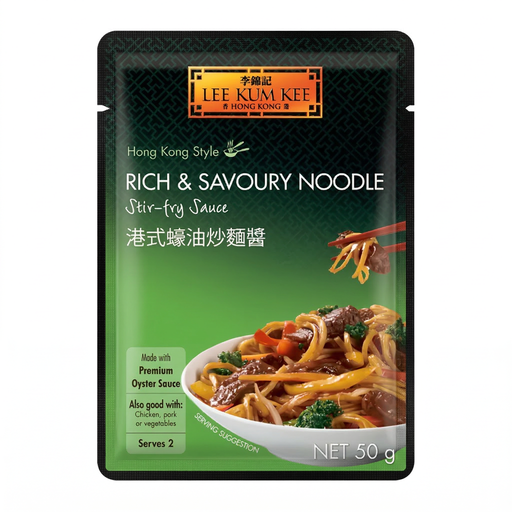
Why This Fits Their Persona: For those who want to quickly make an authentic-tasting noodle dish at home. The convenient single-serving packet makes it ideal for a quick, one-person stir-fry meal.
This is not a generic "Asian" sauce. It is specifically developed as a sauce for noodles, with a balanced, savoury flavour based on soy sauce and oyster sauce.
Convenient 50g single-serving packet prevents waste. According to the Lee Kum Kee brand, no extra seasonings are needed for a complete flavour.
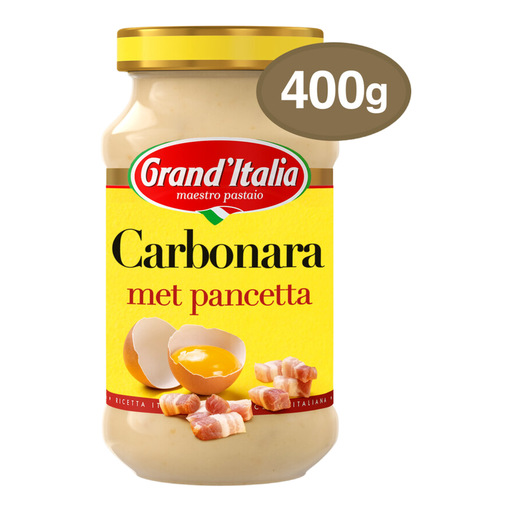
Why This Fits Their Persona: Perfect for those craving a rich, creamy pasta carbonara but don't have the time or inclination to fuss with eggs and cheese. It offers convenience without compromising on the signature creamy taste.
This is a specific carbonara sauce, not a generic cream sauce. The ingredients, such as pancetta and Italian cheeses, are focused on one dish, avoiding the "one-size-fits-all" trap.
Ready-made and can be used immediately. The sauce is made with pancetta and Grana Padano cheese for a richer flavour.
We have compiled a complete, real-time list of products that fully satisfy these strict selection criteria and UK safety regulations.
An opened jar of pasta sauce can typically be kept in the refrigerator for 3 to 5 days. Make sure to seal the jar tightly. Always use a clean spoon to scoop sauce from the jar to prevent bacterial growth. For certainty, always consult the storage advice on the packaging.
In practice, the terms wok sauce and stir-fry sauce are often used interchangeably. Both are intended to quickly add flavour to a wok or stir-fry dish. Technically, there might be a slight difference in thickness or composition, but for the home cook, they are largely interchangeable. Pay close attention to the base flavour (e.g., teriyaki, oyster, sweet-and-sour) to determine which best suits your dish.
Absolutely. A simple way is to add extra vegetables to your dish, such as spinach, courgette, bell peppers, or mushrooms. This increases the nutritional value and volume of the meal, meaning you use relatively less sauce per serving. You can also "stretch" a sauce with a can of diced tomatoes (for Italian sauce) or a splash of water or broth (for Asian cooking sauces) to lower the sugar and salt content per serving.
