
Vandaag of morgen in huis

Kwaliteit gegarandeerd

Welkomstaanbiedingen ontgrendelen: GRATIS bezorging | Tot 80% korting | Gratis 30 dagen JoyPlus-proefperiode
Download de app
A walk down the sauce aisle can be overwhelming. Jars and bottles with exotic names promise an authentic culinary world tour from your own kitchen. But how often does that journey end in disappointment? A sauce that's too salty, too sweet, or simply bland gets used once and then disappears into the back of the fridge.
As a Product Recommendation Officer at Joybuy, I see which products are popular every day, but I also know where the pitfalls lie. Before you fill your shopping cart, it's wise to be aware of a few common mistakes:
With the right knowledge, you can choose a sauce that truly elevates your meals.
You don't need to be an ingredient expert to make a good choice. By focusing on a few key points, you can easily filter the options.
The front of the label is for marketing; the back is for the cook. The order of ingredients is based on weight. Is sugar or water listed first? Then you're likely paying for a glorified syrup. Look for sauces where the main ingredient—like tomato, chili pepper, or soybeans—is listed first. Also, pay attention to the percentage of this main ingredient. A chili sauce with 50% chili is very different from one with 10%.
Not every sauce is suitable for every application. Think about how you plan to use the sauce beforehand.
Japanese curry paste, that you add during cooking and dilute with water or coconut milk, for example.taco sauce is an example of this.The world of Asian sauces and other international condiments is incredibly diverse. A Chinese chili sauce isn't just 'spicy'. A Sichuan variant often contains Sichuan peppercorns for a 'mala' effect: a combination of spiciness and a tingling, numbing sensation. A Japanese soy sauce focuses on deep umami, while a Mexican salsa can have freshness and a light smokiness. By reading the label and understanding its origin, you can avoid unpleasant surprises.
To help you get started, we've highlighted a few popular choices and matched them with different cooking styles.
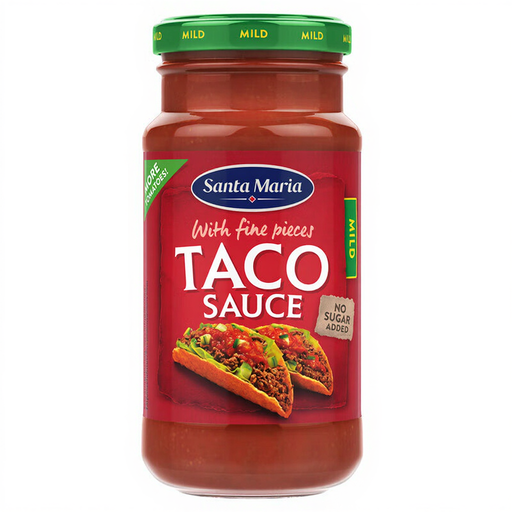
Why This Fits Their Persona: Perfect for those who want to try Tex-Mex without being overwhelmed by heat. A familiar, accessible flavor that works well for a fun taco night with the whole family.
This sauce is mild and versatile, so it won't get left in the fridge after just one use. It's great for tacos, wraps, and as a dip for nachos.
Tomato (65%) is the main ingredient, not sugar. According to the manufacturer, there are no added sugars.
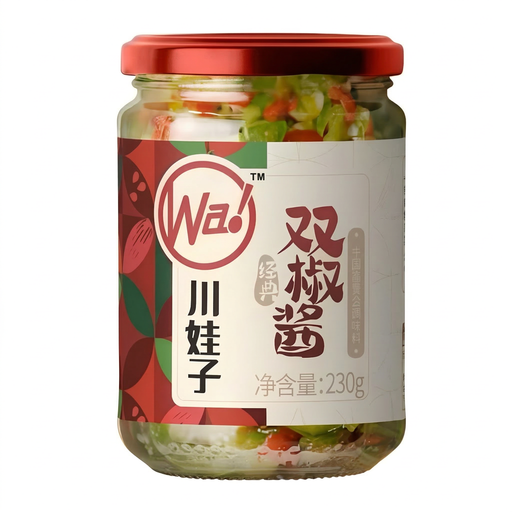
Why This Fits Their Persona: For those seeking a complex, layered heat from Sichuan cuisine. This sauce combines the flavors of fresh and pickled peppers for a deep, aromatic spiciness.
This is not a one-dimensional hot sauce. The addition of garlic, ginger, and Sichuan pepper creates a complex flavor profile that does more than just burn.
Chili is the main ingredient. The sauce is ready to use as a dipping sauce, over noodles, or as a flavor base in the pan.
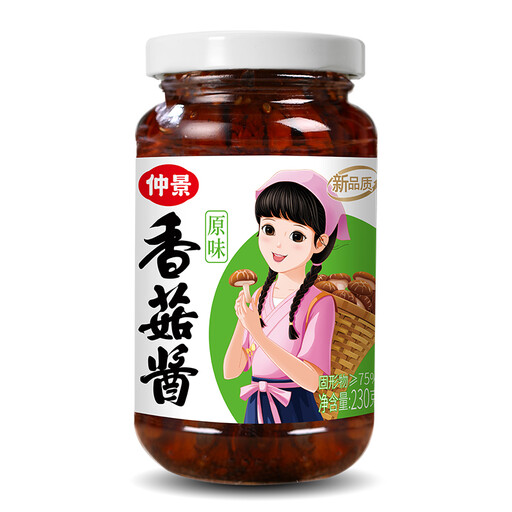
Why This Fits Their Persona: Ideal for cooks looking for a deep, savory, and earthy flavor. This sauce is all about the natural umami of shiitake mushrooms, with no spiciness.
This is not a generic, salty sauce. The flavor comes from the main ingredient. According to the manufacturer, the sauce contains a remarkable 70% shiitake mushrooms.
Extremely versatile: use it with rice or noodles, as a filling for dumplings, or as an umami boost in soups and stir-fries.
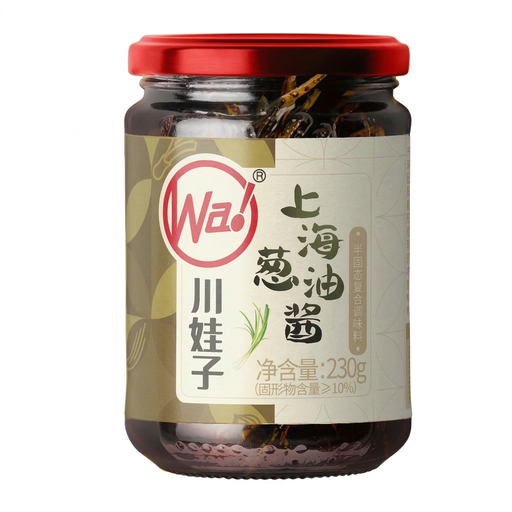
Why This Fits Their Persona: For anyone who wants to get a flavorful meal on the table quickly. This scallion oil is a classic flavor base that instantly gives simple noodles or a stir-fry an authentic taste.
This is the ultimate all-rounder that avoids the "one-trick pony" trap. Use it for noodles, stir-fries, as a dipping sauce, or even as a marinade.
A ready-to-use sauce with a high percentage of scallions (≥20% according to the manufacturer) for a pure, rich flavor. No complex preparation needed.
We've curated a complete, up-to-date list of products that meet these strict selection criteria and quality standards.
Most global sauces can be kept in the refrigerator for several weeks to months after opening. The exact shelf life is always stated on the packaging. Sauces with a high acid, salt, or oil content generally last longer. Always use a clean spoon to take sauce from the jar to extend its shelf life.
A stir-fry sauce is meant to be cooked with. Its flavors are often more concentrated, and the texture is designed to adhere well to ingredients in a hot pan. A dipping sauce is intended for consumption without further heating. The flavors are typically milder and balanced for immediate enjoyment, ready to be served cold or at room temperature.
No, definitely not. Asian cuisine features a vast spectrum of flavors. Think of Japanese teriyaki sauce (sweet and savory), Chinese hoisin sauce (sweet and spiced), or Thai fish sauce (salty and umami). Even within the chili sauce category, there are countless variations, from mild and fruity to extremely hot. It's worth checking the label for an indication of the spiciness level.
