
Vandaag of morgen in huis

Kwaliteit gegarandeerd

Welkomstaanbiedingen ontgrendelen: GRATIS bezorging | Tot 80% korting | Gratis 30 dagen JoyPlus-proefperiode
Download de app
Choosing a new pan seems simple, until you have to decide between a saucepan, milk pan, frying pan, wok or complete cookware set. Marketing copy often highlights terms such as “even heat distribution”, “scratch-resistant” or “suitable for all hobs”. These descriptions only tell you something useful when you also consider the material, base and care requirements.
For UK households, induction compatibility, size and dishwasher safety are also important considerations. Use these checks to avoid finding that a pan is awkward to use every day after just a few months.
A pan suitable for all hobs should, according to the product information, work with induction, gas, ceramic and electric hobs, for example. Always check this on the product page. A separate induction disc or magnetic base is not the same as a pan originally designed for induction cooking.
Also check the diameter of the base. A 28 cm pan may have a smaller effective cooking base, meaning that heat is not used optimally across an induction zone.
A non-stick pan can be useful for eggs, fish and delicate dishes, but the coating requires suitable handling. Metal utensils, scouring pads and overheating can shorten its lifespan. Also check the stated properties. The 5five Forged Aluminum Frying Pan, for example, is described as having two non-stick coatings and being dishwasher-safe, while hand washing is recommended for a longer service life.
A stainless steel pan usually has no non-stick coating. This makes it suitable for high temperatures, but the cooking technique is different: heat the pan, add oil and generally use medium heat to reduce sticking.
A carbon steel wok can heat up quickly and is suitable for stir-frying. However, it needs to be seasoned before first use and dried thoroughly after washing. According to the product instructions, a thin layer of oil helps reduce the risk of rust.
If you want a pan that can go straight into the dishwasher, stainless steel or a coated pan will often be a better choice. If you mainly stir-fry and are happy to carry out occasional maintenance, carbon steel can offer real advantages.
304 stainless steel is widely used in cookware and, according to the product specifications for various models, is suitable for everyday cooking. 316 stainless steel is highlighted by the manufacturer of the PURECOOK milk and sauce pan for its corrosion resistance. This is a material property stated in the product description, not a guarantee that every cooking result will automatically be better.
A layered or capsule base contains several layers, often with a heat-conducting core. This can help distribute heat more evenly. With an uncoated stainless steel wok, cooking technique matters more than the marketing term “non-stick”.
A large pan is not automatically more convenient. On a smaller induction zone, heat may be distributed less evenly. So consider both the diameter and the capacity.
A pan with a glass lid allows you to monitor the cooking process without repeatedly lifting the lid. A steam vent can help release steam in a controlled way, but always avoid placing your hands above an open lid.
Also check:
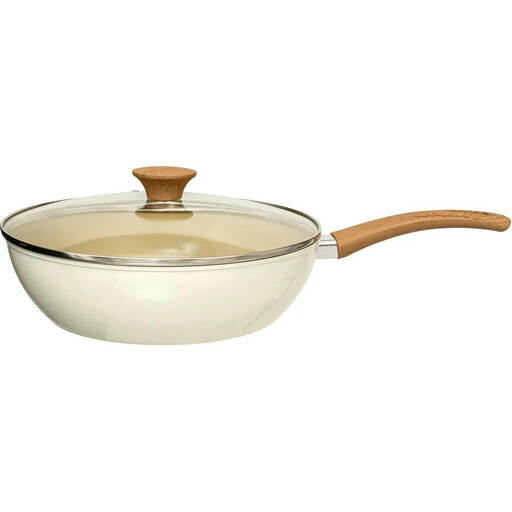
Why it suits this profile: The 28 cm diameter and 8.5-litre capacity provide plenty of room for family meals. According to the product specifications, the pan is suitable for all heat sources and comes with a glass lid.
The product information states that it has two non-stick coatings, but recommends hand washing for a longer lifespan. This makes it clear that non-stick does not mean maintenance-free.
28 cm, glass lid, two non-stick coatings and dishwasher safety according to the product specifications.
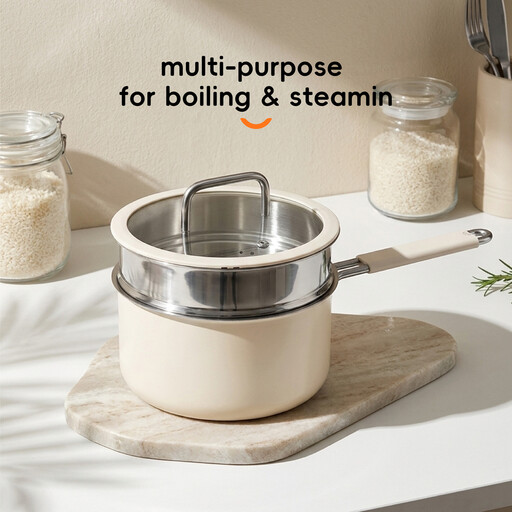
Why it suits this profile: This 16 cm milk pan combines a 316 stainless steel interior with a ceramic outer coating and comes with a steaming insert and glass lid.
The uses and compatible hobs are clearly specified: heating milk, preparing porridge and sauces, steaming and cooking on gas, induction, ceramic, electric and halogen hobs.
316 stainless steel interior, steaming insert, glass lid and a silicone-wrapped handle.
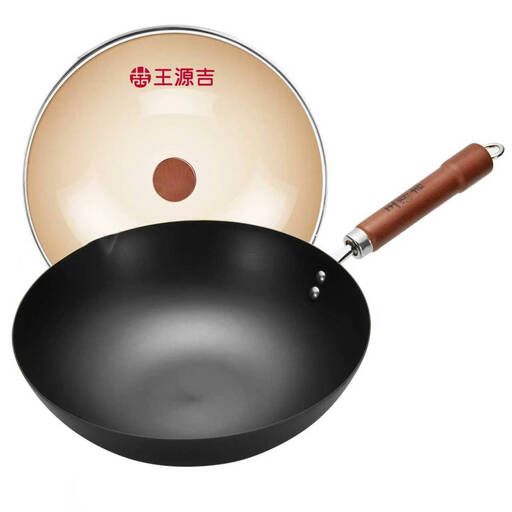
Why it suits this profile: According to the product description, the flat base is suitable for gas, electric, ceramic and induction hobs. The wok is designed for 1 to 3 portions and intensive stir-frying.
The pan has no synthetic non-stick coating, but it does require seasoning, hand washing, thorough drying and regular oiling. The maintenance requirements therefore clearly correspond to the material benefits.
Carbon steel, flat base, glass lid and compatibility with several hobs according to the product specifications.
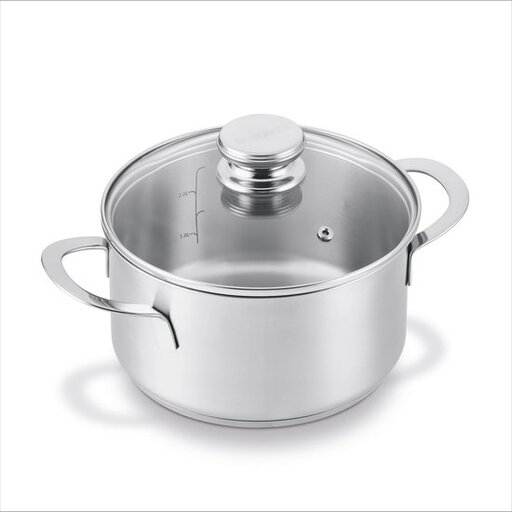
Why it suits this profile: The 5.5-litre capacity is useful for vegetables, potatoes, rice and several portions. The pan has measurement markings on the inside and, according to the product information, is suitable for induction and other hobs.
The specifications state the material, capacity, compatible hobs, oven use and dishwasher safety. This means you do not have to rely solely on general terms such as “multifunctional”.
24 cm, 5.5-litre capacity, glass lid with steam vents and integrated measurement markings.
We have put together a complete, up-to-date list of products that fully meet these strict selection criteria and the applicable European safety regulations.
The right care depends on the material:
The right pan not only saves space in the kitchen cupboard, but also means you do not need a different model for every dish. Start by choosing your hob, portion size and preferred level of maintenance. Only then compare the coating, lid and additional features.
Choose a model that explicitly lists induction in its product specifications. An induction pan has a magnetically compatible base and must make flat contact with the hob. Also check the base diameter, particularly with larger pans.
For one or two people, 16 to 20 cm is often sufficient. Families generally choose 24 to 28 cm, depending on the capacity. For soup, pasta or large quantities of vegetables, a cooking pan of around 5 litres or more can be practical.
That depends on how the pan is used and cared for. A stainless steel pan has no delicate non-stick coating, but it requires a different cooking technique. A non-stick pan is easy to use for delicate dishes, but the coating can wear out through high temperatures, metal utensils and abrasive cleaning. So do not only consider the expected lifespan; think about your cooking habits too.
