
Vandaag of morgen in huis

Kwaliteit gegarandeerd

Welkomstaanbiedingen ontgrendelen: GRATIS bezorging | Tot 80% korting | Gratis 30 dagen JoyPlus-proefperiode
Download de app
When you buy cookies and biscuits online, you quickly come across lots of attractive packaging, international flavours and limited-edition varieties. However, eye-catching packaging says little about what is inside. A small pack can work out relatively expensive, while a larger format is not always practical if you only want an occasional treat with your coffee.
This guide helps you compare products using verifiable criteria: weight, ingredients, allergens, nutritional values, packaging and occasion. That makes it easier to find chocolate cookies, Oreo cookies, filled biscuits, wafers or other sweet snacks that suit your needs.
A 450 or 600 gram pack can look appealing for a family or office. In a smaller household, however, the contents may take longer to use up, meaning the biscuits lose their crunch after opening. So check not only the total price, but also the weight per pack and the storage instructions.
Birthday cake, candy floss, strawberry short cake and pistachio sound distinctive. Yet the base is often still made from wheat flour, sugar and vegetable fats. So check the ingredients list. Is the flavour mainly listed as an aroma, or does the product also contain ingredients such as cocoa powder, coconut, strawberry or pistachio paste?
According to the manufacturer's product description, Nestlé KitKat Strawberry Short Cake contains strawberry powder and freeze-dried strawberry pieces, among other ingredients. This is a verifiable difference from biscuits where the fruit flavour is listed solely as an aroma.
Marketing terms do not provide a complete picture of nutritional value or suitability. Always check the allergen information. According to the product information, Oreo Original contains wheat and soya and may contain milk. Ovaltine Cocoa Crunchy Tube lists wheat, milk, soya, barley and hazelnuts as allergens.
Terms such as “suitable for vegetarians” or “free from artificial colours” should also be considered alongside the full product information. If the information on a website conflicts with the packaging, the label on the packaging takes precedence.
Small packs are convenient to take with you for everyday use. Consider Tokimeki Panda Cookie Biscuit Milk Flavor in a 40 gram pack or a portion-sized pack such as Meito Pukupukutai Chocolate Wafer at 16.5 grams. Larger packs are better suited to sharing with guests or at the office, such as De Ruiter Bakers Speculaas at 450 grams or Parle Rusk at 600 grams.
After opening, follow the storage instructions. Many biscuits should be kept in a cool, dry place, away from direct sunlight and moisture. Sealing the packaging properly helps preserve the texture for longer, but an opened bag will not stay fresh indefinitely.
First decide what sort of texture you are looking for:
Ovaltine Cocoa Crunchy Tube's product description refers to crunchy wafer rolls with cocoa, malt and hazelnut flavour. According to the product information, Glico Pocky Cookies are biscuit sticks with a cookie-and-cream-style coating.
Compare the table per 100 grams when looking at products side by side. This prevents a smaller portion from automatically appearing to contain less sugar or energy. For illustration:
These figures describe the product; they are not a judgement about what you should think of it. Also check that allergens are clearly stated. Tokimeki Panda Cookie Biscuit Milk Flavor lists wheat and milk; according to the product information, it may contain traces of egg, soya and nuts.
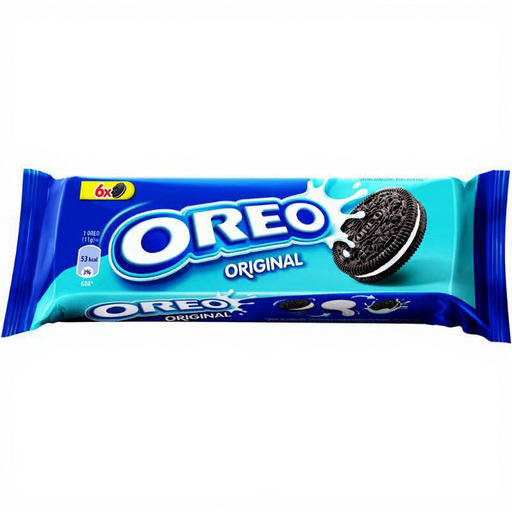
Why it suits this shopper: A compact size for anyone who wants to try the familiar combination of cocoa and vanilla filling before committing to a large pack.
The 66 gram weight is clearly stated, making it easy to compare the size with larger packs.
Cocoa biscuit with vanilla filling; suitable for eating straight away and easy to take with you.
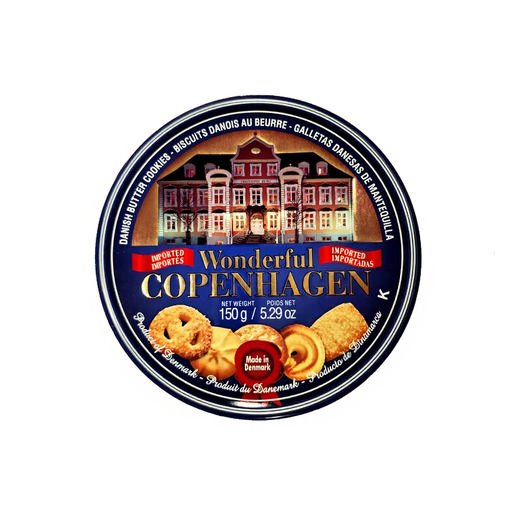
Why it suits this shopper: For a coffee break where butter, coconut and a classic Danish biscuit style matter more than a striking filling.
The ingredients list specifies 26% butter and dried coconut, making the recipe more concrete than a general flavour claim alone.
150 grams; butter, coconut and vanilla mentioned in the product description; ideal with coffee or when entertaining.
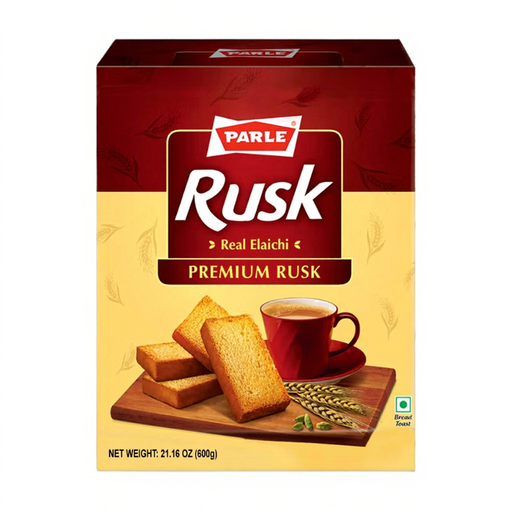
Why it suits this shopper: A generous pack for households or workplaces where biscuits are regularly served with coffee or tea.
It is clearly a 600 gram rusk designed for dipping. This makes its intended use clear and less dependent on advertising imagery.
Crunchy texture; lightly sweetened according to the product description; large pack for sharing.
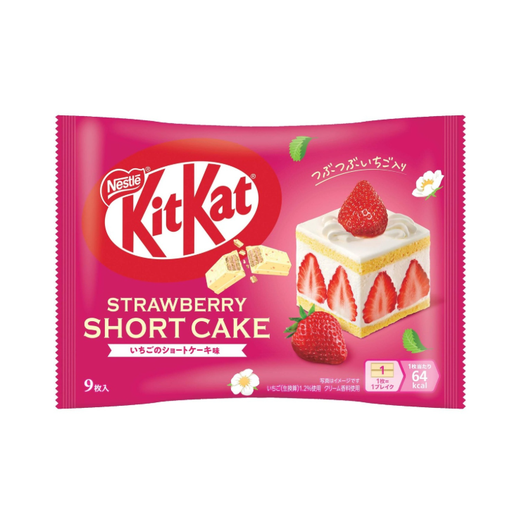
Why it suits this shopper: For anyone looking for Japanese snacks and unexpected combinations, with individually wrapped portions to share or take with you.
The packaging states 9 pieces and 104.4 grams, making the portioning clear from the outset.
Wafers with a strawberry-style white chocolate coating; according to the product information, they contain strawberry powder and freeze-dried pieces.
We have put together a complete, up-to-date list of products that fully meet these strict selection criteria and the applicable European safety regulations.
Use this quick checklist before ordering:
In the Netherlands, the terms are often used interchangeably. “Biscuit” usually refers to a dry, crunchy baked product, while “cookie” is a broader term. Wafers, filled biscuits, speculaas and biscuit sticks all fall within this wider category.
Store cookies according to the label in a cool, dry place, away from sunlight and moisture. Seal the packaging securely or use an airtight container. Check the date on the packaging and do not use a product if the packaging is damaged.
That depends on your preference. Speculaas and butter biscuits are ideal for a classic coffee break. Rusk is suitable for dipping in coffee or tea. If you prefer something more indulgent, choose chocolate cookies, filled biscuits or international varieties with pistachio, strawberry or coconut.
