
Vandaag of morgen in huis

Kwaliteit gegarandeerd

Welkomstaanbiedingen ontgrendelen: GRATIS bezorging | Tot 80% korting | Gratis 30 dagen JoyPlus-proefperiode
Download de app
Anyone searching online for cookies and biscuits will quickly find dozens of flavours, brands and pack sizes. A small pack may seem convenient, while a large multipack can offer better value per piece. Terms such as “richly filled”, “artisan” or “international” also do not always tell you enough about what you are actually buying.
With this selection guide from the Joybuy Product Recommendation Officer, you can compare products based on verifiable criteria: weight, ingredients, allergens, nutritional information, packaging and occasion.
A distinctive variety, such as Oreo Birthday Cake Flavored Cookies, is designed as a sweet treat with a specific flavour combination. That can work well for a party or snack break, but may be less suitable if you are looking for a neutral biscuit for everyday use.
Pay attention to the differences between:
An 800-gram pack or a 10 x 66-gram multipack may seem appealing for families or an office. However, check the price per 100 grams and consider how quickly the pack will be opened. Cookies lose their crisp texture when the bag is not properly resealed.
Small packs of 40 to 52 grams are more practical for travelling, lunch boxes or portion control. Larger packs make more sense when several people are eating the same flavour.
A product image does not always show all current details. With international cookies, packaging, ingredient lists and allergen information may also vary by market. Always check the label on the packaging delivered before consuming the product.
Pay particular attention to terms such as contains, may contain and allergens. This is especially important for gluten, milk, soya, eggs, nuts, peanuts and sulphites.
Do not compare products by piece count alone. A pack containing 10 cookies may have a different total weight from a pack containing 10 individually wrapped snacks. Check the following:
For enjoying with coffee at home, packs of 200 to 450 grams are often a good fit. For families and office supplies, products weighing 400 to 800 grams or multipacks are more practical.
Ingredients are listed in descending order by quantity. Oreo Original biscuits contain, among other ingredients, wheat flour, sugar, palm oil and cocoa powder. According to the product information, the filling accounts for 29% of the product. Oreo Original contains soya and wheat/gluten and may contain milk.
McVities Digestive Original contains wheat and gluten-containing cereals and may contain milk. The product information also lists 3.7 grams of fibre per 100 grams. This is a product specification, not a general health claim.
Kanjers stroopwafels list wheat, milk and soya among their ingredients. The ingredient list also mentions bourbon vanilla and cinnamon. Anyone with allergies or intolerances should check the most recent packaging rather than relying solely on the product image.
Nutritional values help you compare products objectively. They provide information not only about sugar, but also fat, saturated fat, salt and energy per 100 grams.
Examples from the selection:
Use this information to choose a product that suits your own preferences. A lower sugar content, for example, does not automatically mean that the flavour or texture will be a better match for you.
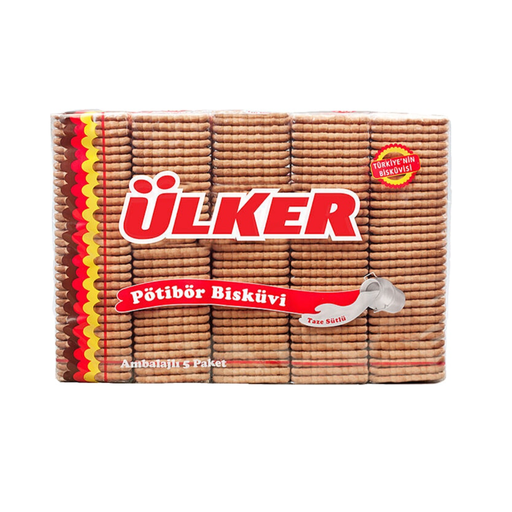
Why it fits: The generous size is suitable for families, entertaining guests or keeping a supply of biscuits on hand for coffee breaks.
The 800-gram weight makes it easier to compare the price per 100 grams than with smaller bags.
800 grams of product; 451 kcal and 21 grams of sugar per 100 grams according to the product information.
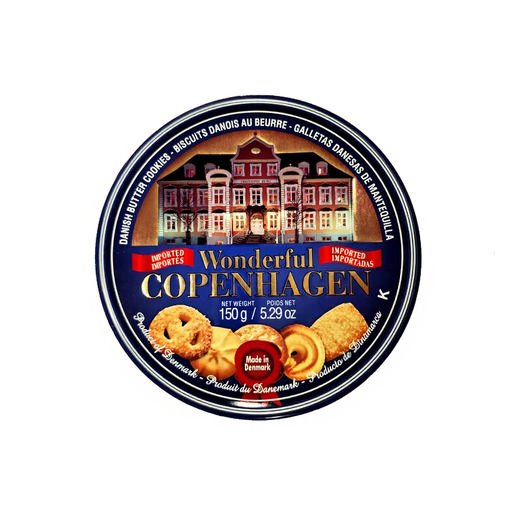
Why it fits: A compact pack of butter cookies for a coffee break or as a thoughtful gift.
The 150-gram pack reduces the likelihood of having an opened packet stored for too long when buying for a smaller occasion.
Contains 26% butter according to the product information; 150 grams net weight.

Why it fits: A small Japanese snack for travelling, the office or anyone keen to sample a range of international cookies.
The 45-gram format is clearly defined, so you do not have to buy a large pack for a one-off taste test.
45 grams of product; strawberry-flavoured biscuit sticks; allergen information lists wheat, milk and soya.
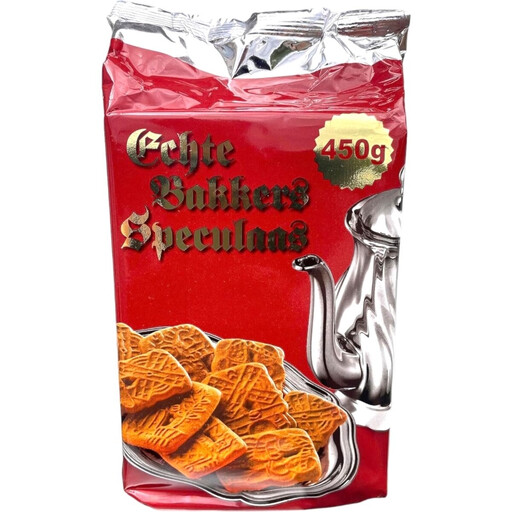
Why it fits: The 450-gram pack is well suited to regular coffee breaks and sharing with guests.
The flavour profile is clear from the listed spices, including cinnamon, nutmeg, cloves and ginger.
450 grams of product; 499 kcal and 32.5 grams of sugar per 100 grams according to the product details.
Browse a current selection of cookies and biscuits that you can compare by flavour, size, ingredients and occasion.
For chocolate lovers, Oreo Original 10x66g, G’woon Crispy Brownie Chocolate Cookies and Oreo Cookies and Cream van Bergen are logical starting points. If you prefer filled cookies, you could also consider Oreo Birthday Cake Flavored Cookies 97g or Oreo Wafer Cubes Milk Vanilla Flavor 42g.
For a Dutch coffee break, Kanjers Extra Delicious Stroopwafels, Verkade Maria Biscuits and Verkade Nizza Coconut offer distinctly different textures. For a playful snack, Tokimeki Panda cookies are available in milk or chocolate flavours in 40-gram packs. Always check the packaging and allergen information for these international cookies.
That depends on your preference. Maria biscuits and Digestive biscuits have a simple biscuit texture. Stroopwafels are softer and filled, while speculaas has a spicier flavour profile. For entertaining guests, a pack of 200 to 450 grams is practical.
Store cookies according to the product information in a cool, dry place away from direct sunlight and heat. Seal the packaging securely or use an airtight container. This limits exposure to moisture and generally helps crisp cookies retain their texture for longer.
Not necessarily. Divide the price by the total weight and compare the price per 100 grams. Also consider the best-before date, portion size and whether you will consume the cookies quickly enough. This helps prevent a large pack from ultimately being less practical.
