
Small portions, limited space
You’re making cookie dough for one evening and first checking whether your existing freezer has enough room. If it doesn’t, you’re looking for a compact model.


For a few portions of cookie dough for one evening, a separate freezer may not be necessary. First, check whether your existing freezer has room for the portions once they’re wrapped, and whether it’s suitable for freezing fresh food. If you often freeze dough or other food, compare a table-top model with a larger upright freezer, taking capacity, available space and annual energy consumption into account. NoFrost reduces the need for manual defrosting, but it doesn’t make raw dough safe to taste.
You’re making cookie dough for one evening and first checking whether your existing freezer has enough room. If it doesn’t, you’re looking for a compact model.
As well as dough, you often freeze other food and want enough freezer space to organise your supplies neatly.
You expect to use a freezer for a long time, so you want to take annual energy consumption and maintenance into account.
First, decide whether your existing freezer has enough room. Then compare the capacity, annual energy consumption and maintenance requirements of a new appliance.
Choose this if: you only want to store a few wrapped portions and have enough room for them.
The trade-off: you won’t need a second appliance, but check that your freezer is suitable for fresh food.
Choose this if: you often freeze small batches and don’t want a tall upright freezer.
The trade-off: capacity, freezing performance and whether the model has NoFrost vary from one model to another.
Choose this if: you regularly store more frozen food than just dough, or need space for larger containers.
The trade-off: extra capacity takes up space, so compare the annual energy consumption of suitable models too.
Choose this if: you mainly store large or awkwardly shaped frozen items and have enough floor space.
The trade-off: individual portions may be harder to organise than in a model with drawers.
The Dutch Consumers’ Association and Milieu Centraal recommend choosing a suitable size and taking annual energy consumption into account. The percentages below show which reason for buying may matter most to consumers considering this type of appliance.
| What to consider | What to look for when buying | Who is this important to? |
|---|---|---|
| Capacity and placement | Measure the space and check the usable capacity and layout; work out how many wrapped portions you’ll store. | If I’m only storing a few portions for a baking evening, I don’t want an appliance that takes up more space than necessary. Around 36% of consumers put capacity and placement first. |
| Space for extra supplies | Compare capacity, drawer layout, external dimensions and the stated freezing capacity in kg per 24 hours. | If I often freeze dough and other food, I want to be able to organise everything properly. Around 29% of consumers put space for extra supplies first. |
| Annual energy consumption | Compare the kWh figure on the EU energy label for models with enough freezer space. | If I’m using a freezer for a long time, I want to consider its annual energy consumption rather than looking only at its energy class. Around 21% of consumers put energy consumption first. |
| Defrosting and everyday use | Check whether each model has NoFrost, how easy it is to access the drawers and whether the door opens in the right direction. | If I’d rather avoid manual defrosting and want to find portions easily, I look at maintenance and layout. Around 14% of consumers prioritise these practical features. |
A freezer stays on even after your baking evening is over. So an extra appliance means ongoing energy consumption.
First, check how much space you already have. If you’re buying a new appliance, compare models with suitable capacity and check their annual energy consumption in kWh.
The Netherlands Nutrition Centre warns that raw eggs and flour can contain harmful bacteria and advises against tasting raw cookie dough.
Keep portions separate and bake the dough before serving.
The energy class alone doesn’t tell you how much energy a suitable model uses each year.
First, compare freezers that meet your space requirements, then check the kWh-per-year figure on the label.
The VR550 is a freestanding table-top model with three drawers.
The FNE1074N is a compact freestanding table-top model.
The GSN29VWEP is a freestanding upright freezer for anyone who wants to store more food.
The FNd 4234 is a freestanding upright freezer with a stated capacity between those of the compact and larger models mentioned here.
These Joybuy picks provide extra freezer storage and include freestanding models and an integrated model. Compare the capacity with the amount you need to store and check that the appliance will fit in the space available.
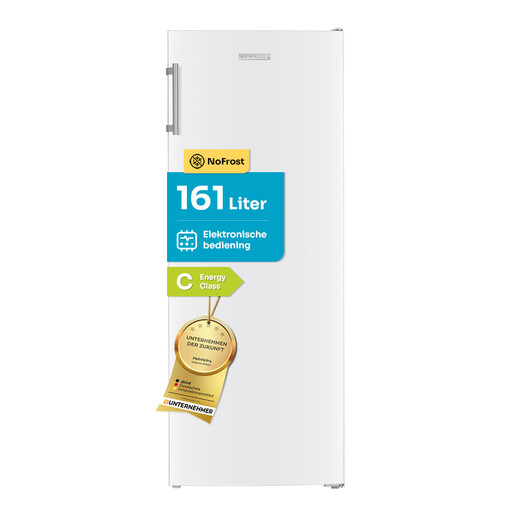 No image available
With a capacity of 161 l and three freezer drawers, this model gives you space to organise portions of dough and other frozen food.
NoFrost; energy label C; two shelves; reversible door hinges; stated temperature: −14 °C to −22 °C.
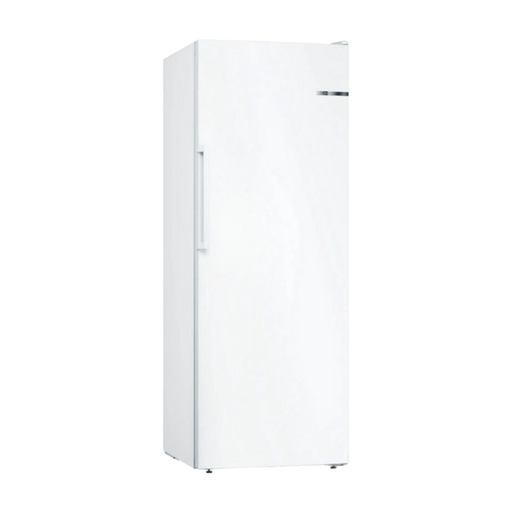 No image available
The stated capacity of 200 l and VarioZone and BigBox layout are worth considering if you want to store other supplies as well as dough.
NoFrost; freezing capacity of 16 kg per 24 hours.
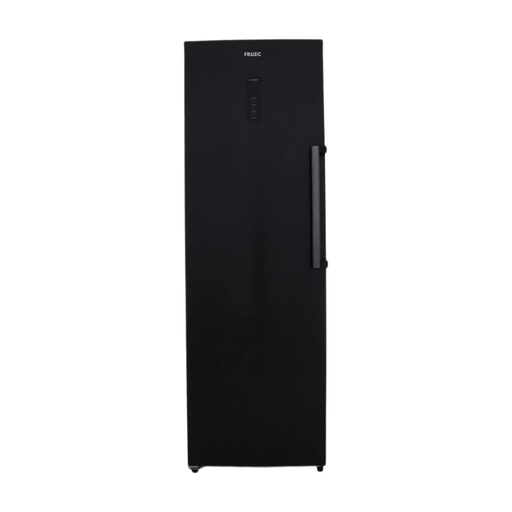 No image available
The stated capacity of 274 l is worth considering if you want to store lots of other frozen food as well as dough.
NoFrost; freezing capacity of 17 kg per 24 hours; energy label C; digital display.
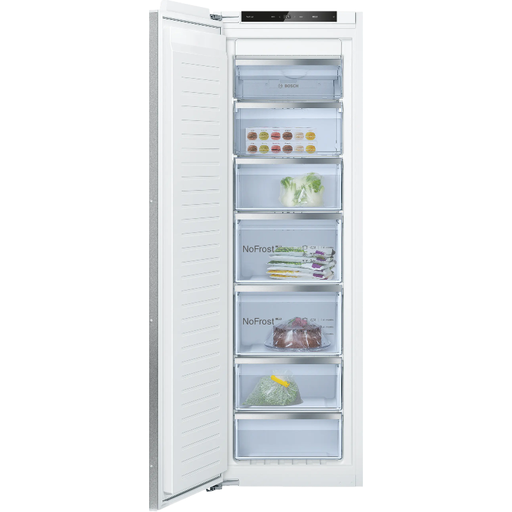 No image available
This integrated model is designed for a suitable niche. Check the space available before comparing it with freestanding freezers.
Capacity 212 l; NoFrost; freezing capacity of 13,8 kg per 24 hours; four drawers and removable shelves.
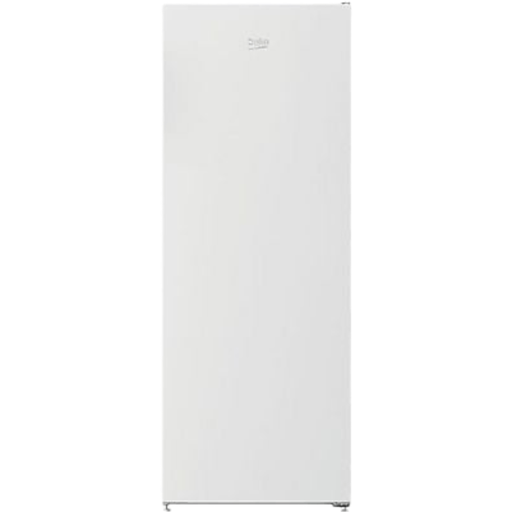 No image available
With a stated capacity of 196 l and five freezer drawers, this model is an option if you want to store portions and other frozen food separately.
No Frost; energy label E; FreezerGuard (−15 °C).
No. Don’t assume that freezing makes raw dough ready to eat. The Netherlands Nutrition Centre warns that raw eggs and flour may contain bacteria and advises against tasting raw cookie dough. Bake it before eating. This is particularly important for young children, pregnant women, older people and anyone with a weakened immune system.
Wrap the portions in advance and follow the recipe for your dough when baking. If it needs to be defrosted, the Netherlands Nutrition Centre recommends the fridge as the general preferred method. This isn’t a universal defrosting or baking time for every type of dough.
Since 1 March 2021, the EU energy label for household freezers has used a scale from A to G and shown details including annual energy consumption, freezer volume and noise level. The European Commission explains the label; compare models with a capacity that suits the way you’ll use them.
If a product is faulty, the seller in the Netherlands is responsible for dealing with your statutory guarantee claim; according to the Dutch government, there is no fixed statutory guarantee period of two years. If you’re a private customer buying a new appliance of a similar type, the shop must take back your old appliance free of charge under the old-for-new scheme. For online purchases, the stated return procedures apply.