
Vandaag of morgen in huis

Kwaliteit gegarandeerd

Welkomstaanbiedingen ontgrendelen: GRATIS bezorging | Tot 80% korting | Gratis 30 dagen JoyPlus-proefperiode
Download de app
Choosing a new cooker hood might seem straightforward at first. But there are clear differences between a cooker hood for a small rented flat, a wall-mounted hood for an open-plan kitchen and a built-in hood for an existing kitchen cupboard. If you only look at the price or the maximum airflow per hour, you could run into limitations later.
The three most common pitfalls:
A 60 cm cooker hood will often suit a hob of roughly the same width. Measure not only the hob, but also the available wall, cupboard and ceiling space. A wall-mounted model may have an adjustable chimney, while a built-in cooker hood needs to fit precisely inside a kitchen cupboard.
Also check the minimum distance from the hob. Follow the instructions for your chosen model and the requirements for your hob. Gas hobs may need a greater clearance than electric ones.
A ducted cooker hood carries steam and odours outside through a duct. Check the diameter of the air outlet beforehand; several models use a 150 mm duct. A short, straight duct will generally work more efficiently than a long one with several bends.
A recirculating cooker hood needs compatible carbon filters. The metal grease filter is usually washable, but a carbon filter has a limited lifespan. Check whether filters are included, which model number you need and how much replacements cost. Recirculation can be a practical option in rented homes, as it doesn’t require an outlet through an external wall or changes to the ventilation duct.
Airflow is measured in m³/h. A small kitchen doesn’t automatically need a very powerful motor. Extra capacity can be useful in an open-plan kitchen, if you often cook with a wok or regularly deep-fry.
A quiet cooker hood isn’t identified by its marketing name alone. Compare the stated noise level for each setting. Also check the annual energy consumption in kWh/a and the energy rating. For example, one Ciarra model is listed with an A+ energy rating and 16 kWh/a, while other models have lower or higher consumption figures in their product details. Always check the specifications for the exact model.
A cooker hood with LED lighting can illuminate the cooking area directly. This is useful if your hob is deep or the hood is fitted beneath a cupboard. But LED lighting is no reason to skip filter maintenance or correct installation.
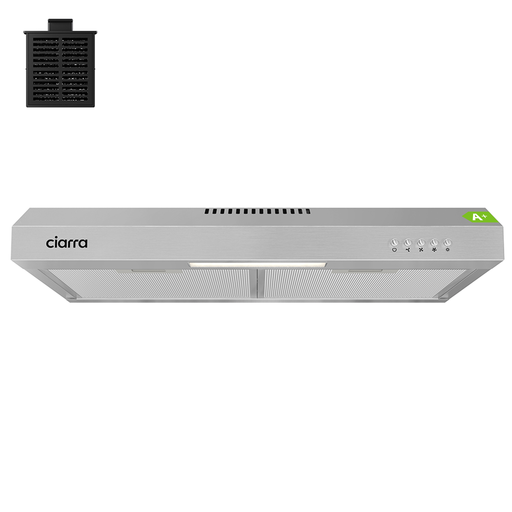
Why it suits this buyer: This compact cooker hood is designed for small kitchens and low cupboards. Its stated dimensions are 596 × 440 × 85 mm, and it supports both ducted extraction and recirculation.
The installation options and dimensions are clearly stated. The included carbon filter means you have a suitable filter ready when using recirculation.
A+; 11 kWh/a; two washable aluminium grease filters; maximum airflow of 184 m³/h according to the product specifications.
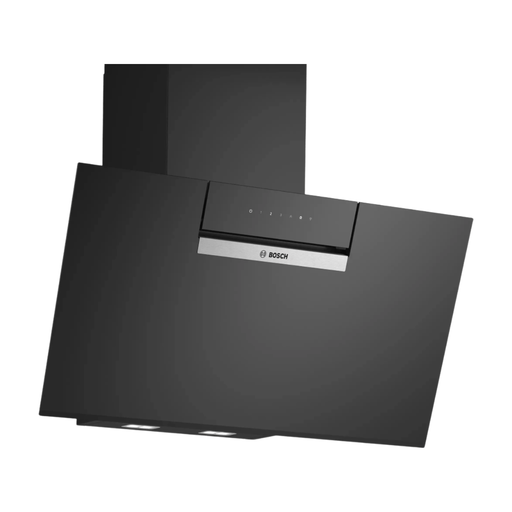
Why it suits this buyer: This model is designed for larger cooking areas and open-plan kitchens. The product details list Home Connect, an intensive setting and an adjustable LED colour temperature.
The specifications list separate figures for normal and intensive extraction, so you can assess performance and noise without relying on a single number.
80 cm wide; A+; 431 m³/h on normal and 768 m³/h on intensive; dishwasher-safe aluminium filter.

Why it suits this buyer: This model is a good fit if you cook often and value app control. According to the product listing, it has four settings, including boost, and a maximum airflow of 650 m³/h.
The product listing states that you can choose between recirculation and ducted extraction. Two CBCF003 carbon filters are included for recirculation; remember to check when they need replacing.
600 mm wide; A+++ and 12 kWh/a according to the product specifications; maximum noise level of 59 dB; touch controls and Wi-Fi.
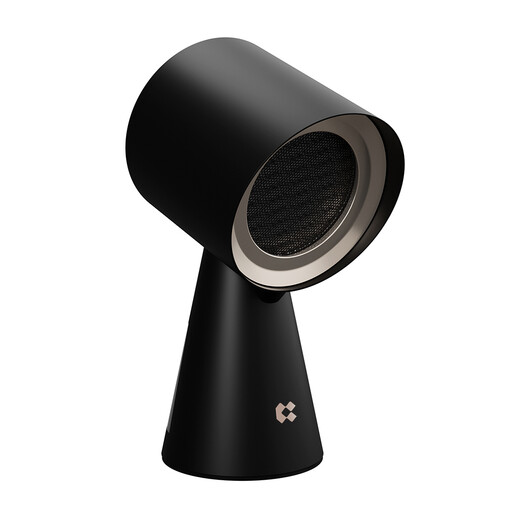
Why it suits this buyer: This unit is designed for situations where a fixed cooker hood can’t be installed, such as a studio flat, rented home or temporary cooking space.
There’s no need for an outlet through the wall or permanent installation. According to the product description, the filters can be cleaned and reused.
Two speeds; compact size; stated maximum noise level below 65 dB; sits on a stable worktop.
Clean metal grease filters roughly every two to four weeks, depending on how often you cook and how much fat you use. Follow the instructions: some filters are dishwasher-safe, while others need to be washed with warm water and washing-up liquid. Switch off the power before cleaning the cooker hood.
With recirculation, check the carbon filter and replace it as instructed. For a ducted installation, use a suitable duct and make sure the outlet isn’t blocked. Install wall- or ceiling-mounted hoods according to the fitting instructions. For a heavy island unit, make sure the ceiling can support its weight.
We’ve put together a complete, up-to-date list of products that meet these strict selection criteria and the applicable European safety requirements.
No. A recirculating model can be a practical solution if venting outside isn’t possible. Bear in mind that you’ll need to maintain the filters regularly and replace the carbon filter. If you cook frequently, venting outside may be more suitable for removing moisture and cooking fumes.
Its lifespan depends on installation, use and maintenance. Clean the grease filters regularly, prevent grease from building up and clean glass or metal surfaces with a non-abrasive product. If there’s a problem, check the plug, filters and air duct before using the appliance again.
That depends on its power, how long you use it and its annual energy consumption in kWh/a. An energy-efficient cooker hood with LED lighting may have a lower stated annual consumption on its energy label, but the actual cost will vary from household to household. So compare energy use as well as how you use your cooker hood.
