
Vandaag of morgen in huis

Kwaliteit gegarandeerd

Welkomstaanbiedingen ontgrendelen: GRATIS bezorging | Tot 80% korting | Gratis 30 dagen JoyPlus-proefperiode
Download de app
Choosing a new cooker hood seems simple, until you have to decide between a kitchen extractor, a wall-mounted hood or an integrated model. A low price or high extraction rate doesn’t tell the whole story. The connection, noise level and available space are just as important in deciding whether a model will suit your kitchen.
A high airflow rate sounds appealing, but it’s usually measured at the highest setting. Noise levels can rise at that setting, too. What’s more, testing methods and installation conditions aren’t always identical. So compare extraction rate alongside the maximum noise level, the settings and the extraction method you’ve chosen.
A cooker hood that vents outside needs a suitable air outlet, hose and sometimes a non-return valve. Check the diameter of the connection, too; different models use, for example, 120 or 150 mm. If your home doesn’t have an external ventilation connection, choose a recirculating cooker hood with a suitable charcoal filter.
Please note: recirculation doesn’t vent cooking fumes outside. The grease filter traps grease particles, while the charcoal filter is designed to tackle odours. Replace the charcoal filter in line with the product instructions; the metal grease filter can usually be cleaned.
A 60 cm cooker hood will often suit a standard 60 cm hob. For a wider hob, a 90 cm cooker hood can provide more coverage. Measure not only the width, but also the depth, height, cabinet opening and distance from the hob. An angled cooker hood can give you more headroom, while an integrated cooker hood is almost completely hidden from view.
With external extraction, moisture, heat and cooking smells are vented through a duct. This requires a suitable connection and correct installation. With recirculation, the air stays in the kitchen, so you’ll need a charcoal-filter cooker hood. Before buying, check whether filters are included or need to be ordered separately.
A model with both options, such as Ciarra’s wall-mounted models, offers more flexibility if you move home or renovate your kitchen. Always check which hose, adapter and filters are actually included in the box.
A quiet cooker hood is especially useful in an open-plan kitchen or apartment. Check the decibel rating at different settings, not just a marketing term such as “quiet”. For comparison, the stated maximum noise levels across the range vary from around 58 to 70 dB. You’ll notice the difference if you want to chat or watch television while cooking.
A washable grease filter made from aluminium or stainless steel helps reduce ongoing costs. Some filters are dishwasher-safe, but check the manual first. Clean the filter regularly; the product information for several models recommends an interval of around two to four weeks with normal use.
Also consider the controls. Push buttons are simple and straightforward. Touch controls, a digital display or Wi-Fi offer extra features, but they don’t automatically make a model a better fit for your kitchen.
The energy rating and stated annual consumption give you an indication of electricity use. An energy-efficient cooker hood with LED lighting can be handy if you use the light every day. Compare the rating alongside the consumption in kWh per year, as the letter alone says little about the actual difference between models.
When installing, always check the manual, the minimum distance from an electric or gas hob, and the electrical connection. If you’re unsure about the connection or installation, it’s best to get help from a qualified installer.
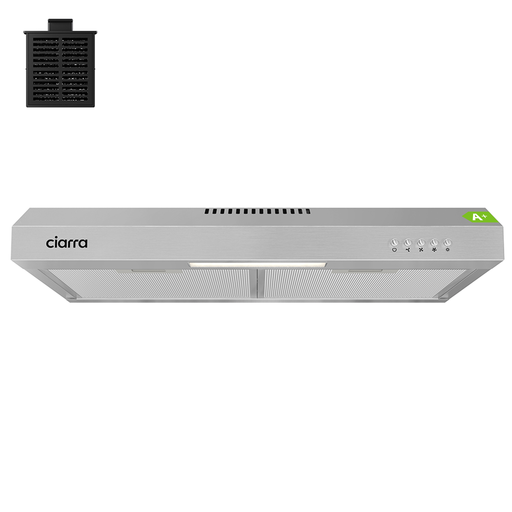
Why it suits this profile: This compact model is designed for small kitchens and low cabinet openings. Its 596 mm width suits many standard hobs, and it has push-button controls.
The specifications list both external extraction and recirculation. The metal grease filter is washable; for recirculation, check whether the CBCF009 filter is available.
A+ energy rating, maximum extraction rate of 184 m³/h, two washable aluminium filters and a compact height of 85 mm.
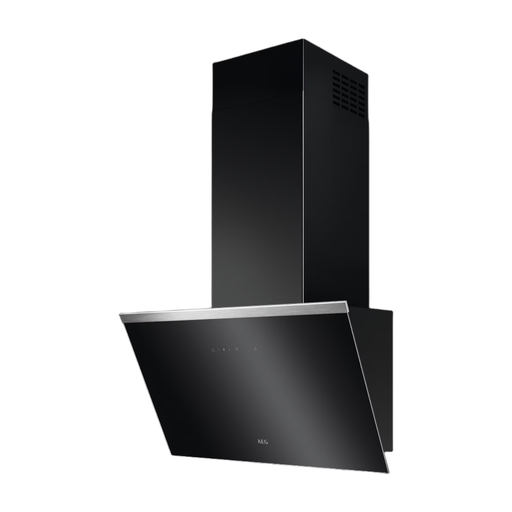
Why it suits this profile: This wall-mounted model is a good choice if you’re considering a wider hob, multiple settings and automatic control with a compatible AEG hob.
The product information gives separate figures for external extraction and recirculation. Check whether the optional charcoal filter is available before buying.
An A energy rating, three speeds plus an intensive setting, LED lighting and dishwasher-safe metal grease filters.
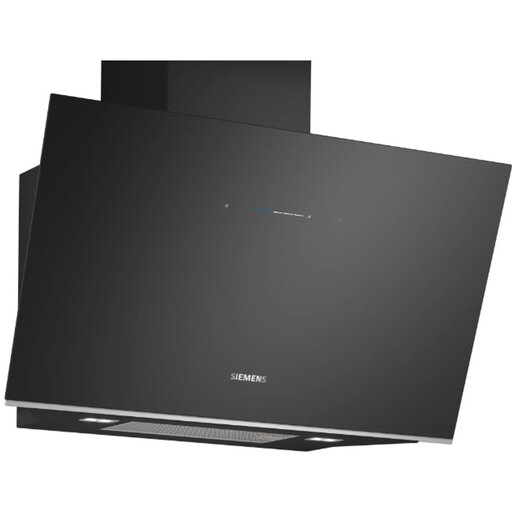
Why it suits this profile: This wide, angled cooker hood is designed for larger hobs and for anyone who wants to use touch controls, Home Connect or a voice assistant.
The listing clearly states that the recirculation kit isn’t included. This helps you avoid an unexpected extra purchase if external extraction isn’t possible.
89 cm wide, stated maximum extraction rate of 1007 m³/h, A+ energy rating and dishwasher-safe filters.

Why it suits this profile: This wall-mounted model suits a standard hob and homes without a fixed external extraction outlet. You can adjust the ventilation using the touch controls or an app.
The specifications list both recirculation and external extraction, and state that two CBCF003 charcoal filters are included. After installation, check the filter status and replace filters as instructed.
Maximum extraction rate of 650 m³/h, A+++ energy rating, maximum noise level of 59 dB and two washable aluminium grease filters.
We’ve put together a complete, up-to-date list of products that meet these strict selection criteria and the applicable European safety regulations.
It depends on the size of your kitchen, how intensively you cook and whether the space is open-plan. Use the stated m³/h as a point of comparison, but also consider the noise level, duct diameter and setting you’ve chosen. A model with extra capacity can be useful in an open-plan kitchen or if you often cook with a wok.
Clean the metal grease filter regularly. Product information for various models recommends doing this roughly every two to four weeks, depending on how often you cook and how much fat you use. The replacement interval for a charcoal filter used for recirculation varies by model and usage. Check the manual for guidance.
Yes, as long as the model is designed for it and you use the right charcoal filter. Bear in mind that recirculation doesn’t vent moisture outside. Make sure the kitchen is well ventilated, and check in advance whether filters are included or need to be bought separately.
